Lenses under $3,000 Lenses
285 Leica M / LTM-mount lenses are selling used under $3,000 right now, cheapest first. Prices are live across shops and marketplaces: see the full price index →.
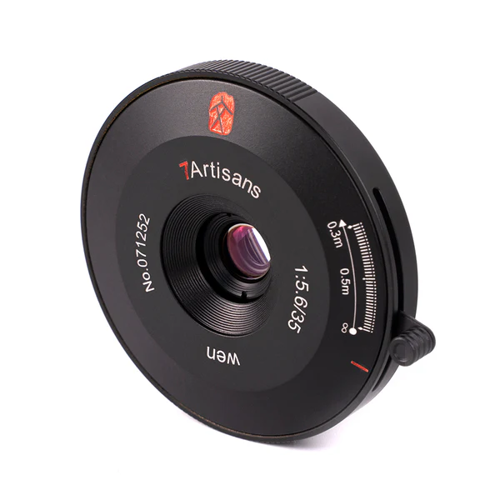
The 7artisans 35mm f/5.6 WEN is an ultra-thin manual M-mount pancake lens for Leica rangefinders, designed for zone-focus street work rather than coupling.
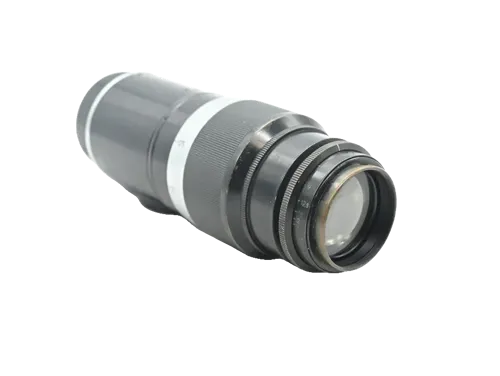
The Leica Hektor 135mm f/4.5 is a long, slow M-mount telephoto descended from a 1933 Leitz design, valued by collectors for its classic build and 15-blade iris.
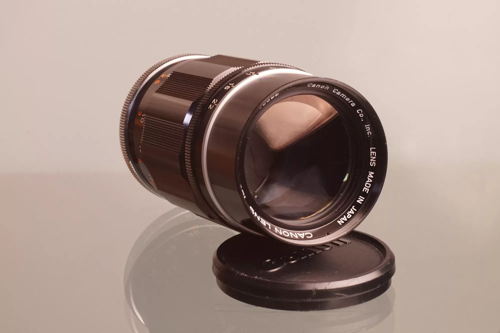
The Canon 135mm f/3.5 II is an all-black LTM screw-mount telephoto from 1958, a light, sharp and affordable rangefinder lens collectors still favor.
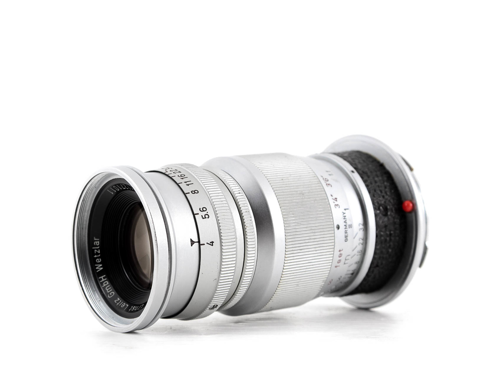
The Leica Elmar 90mm f/4 is a compact, lightweight M-mount short telephoto, a long-lived collector-friendly classic prized for portability and modest aperture.
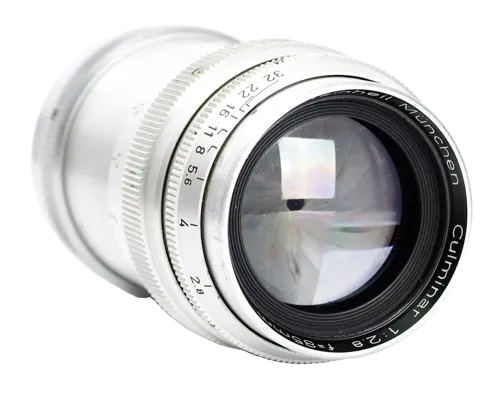
Steinheil's Culminar 85mm f/2.8 VL is a Tessar-type LTM portrait lens from 1950s Munich, an uncoupled, budget-priced alternative to Leitz telephotos.
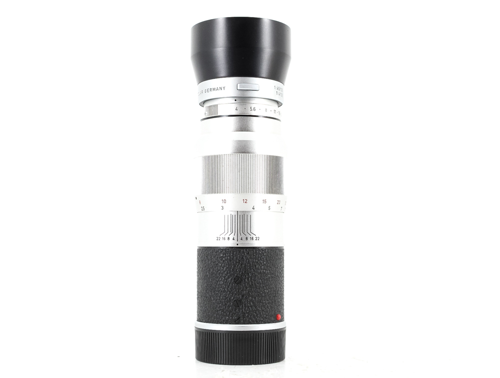
The Leica Elmar 135mm f/4 is a Walter Mandler four-element telephoto for the M mount, prized by collectors as an affordable, sharp rangefinder long lens.
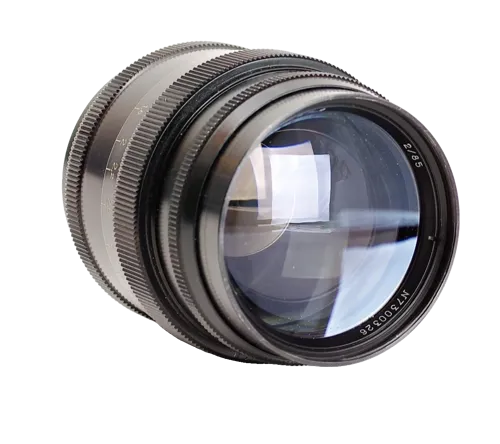
The KMZ Jupiter-9 85mm f/2 is a Soviet Sonnar-derived portrait lens produced in M39 and Contax/Kiev rangefinder mounts, combining a seven-element optical design with a rounded 15-blade diaphragm.
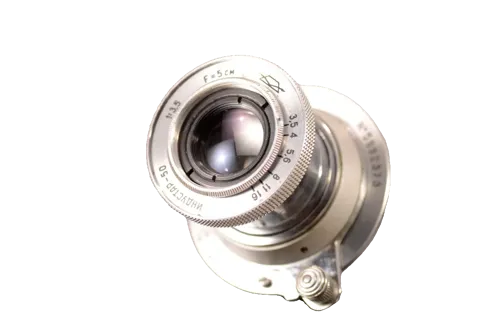
The KMZ Industar-50 50mm f/3.5 is a Tessar-derived M39 standard lens for Soviet rangefinders, valued by collectors as a cheap, sharp Elmar-style classic.
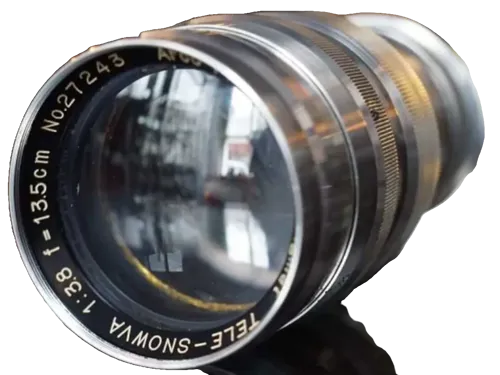
The Arco Tele-Snowva 135mm f/3.8 is a rare Japanese, rangefinder-coupled LTM telephoto with a chrome-brass barrel and twelve-blade diaphragm.
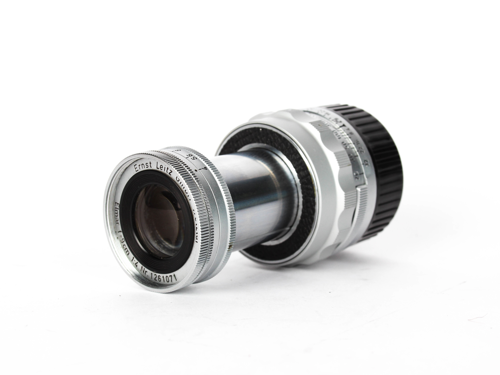
The Leica Elmar 90mm f/4 Collapsible is a compact M-mount telephoto whose locking collapsible barrel and modest, dependable rendering make it a collector favorite.
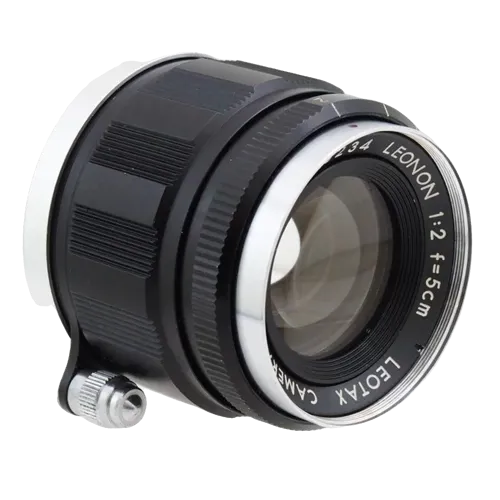
A rare 1959 Leotax 5cm f/2 coupled LTM standard lens with six elements in five groups, a ten-blade diaphragm and 40.5mm filters for Leica cameras.
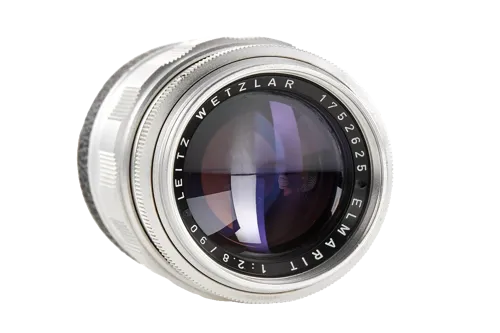
The Leica Elmarit 90mm f/2.8 is a 1959 short telephoto for M and screw mount, the rangefinder portrait classic that the later Tele-Elmarit replaced.
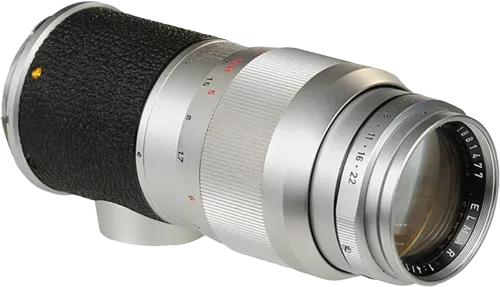
The Leica Elmar 135mm f/4 is an LTM rangefinder telephoto from the 1960s, a Mandler design valued by collectors for its modular Visoflex-compatible head.
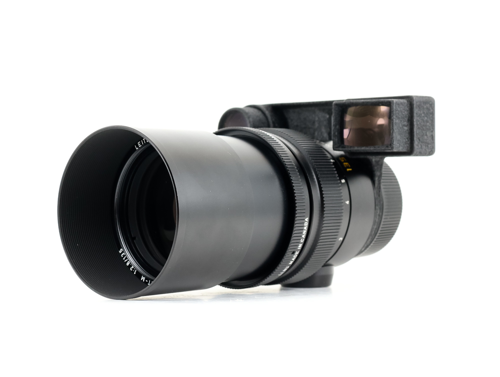
The Leica Elmarit-M 135mm f/2.8 (Type I) is an M-mount telephoto with permanent goggles, a Walter Mandler design prized by collectors for accurate rangefinder focusing.
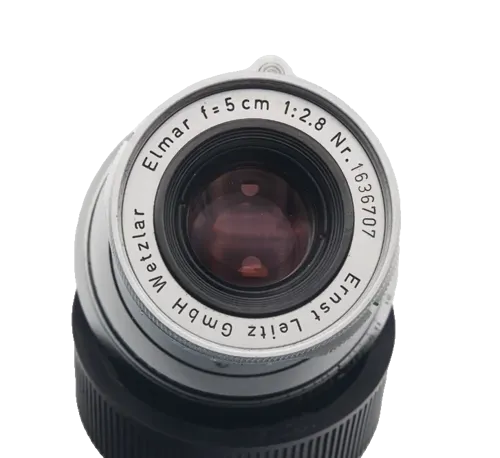
The Leica Elmar 5cm f/2.8 (11612) is a compact collapsible four-element 50mm M-mount lens prized by collectors as the last of Leica's classic Elmar fifties.
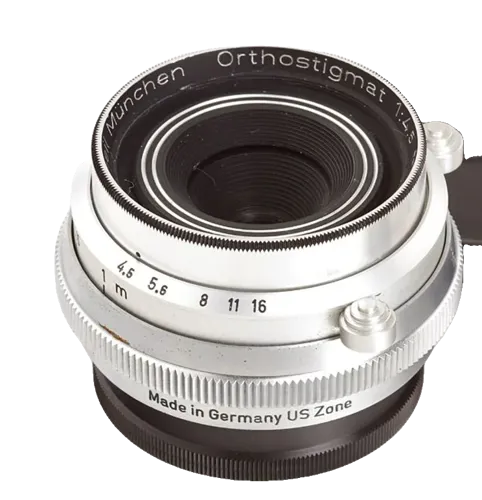
A late-1940s to early-1950s Steinheil 35mm f/4.5 wide-angle in coated, rangefinder-coupled Leica LTM form, with twin focusing tabs and chrome finish.
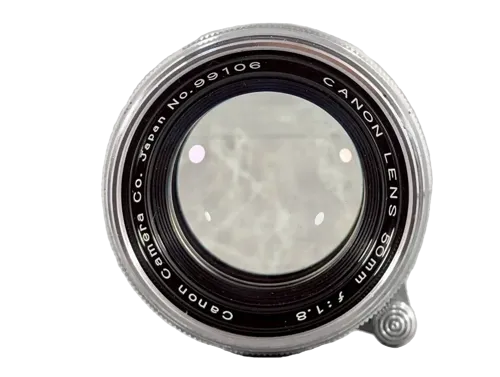
The Canon 50mm f/1.8 I is a compact six-element LTM rangefinder standard lens from 1951, a classic Serenar design popular with screw-mount collectors.
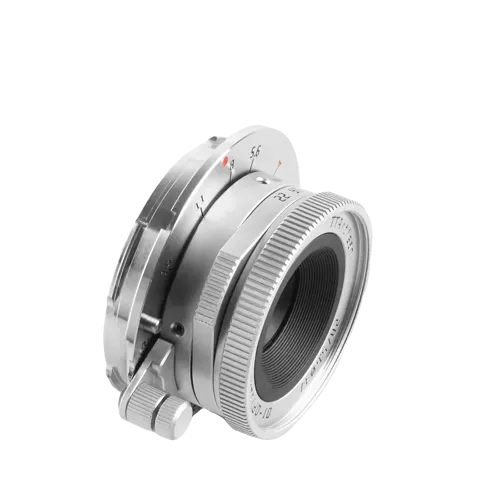
The TTArtisan 28mm f/5.6 is a brass pancake wide-angle for Leica M mount, a low-cost homage to the 28mm Summaron prized for its tiny size.
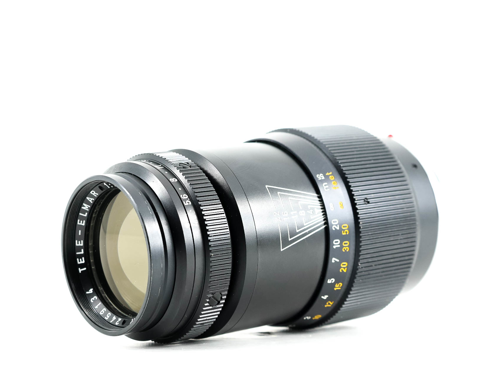
The Leica Tele-Elmar-M 135mm f/4 Type 1 is an M-mount telephoto valued by collectors as a sharp, affordable Walter Mandler design with a long production run.
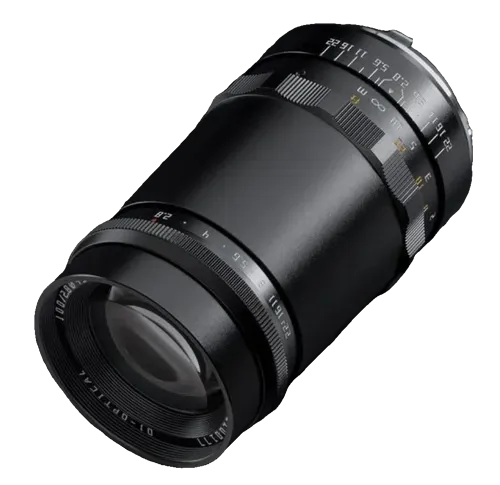
The TTArtisan 100mm f/2.8 is a modern soap-bubble-bokeh triplet in Leica M mount, a low-cost Trioplan homage that draws collector interest for its character.
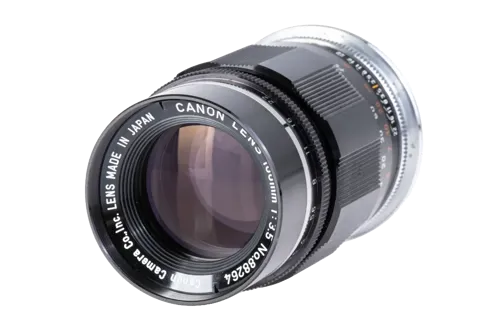
The Canon 100mm f/3.5 III is a compact five-element LTM rangefinder telephoto, a 1960 update prized by Leica screw-mount collectors for clean rendering.
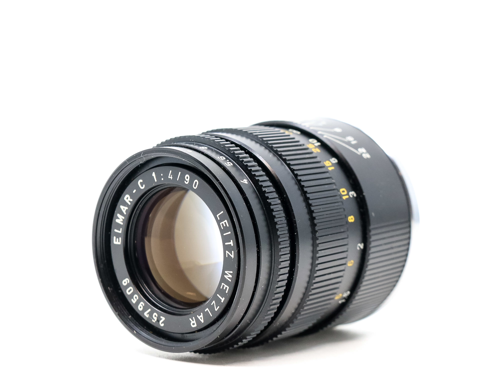
The Leica Elmar-C 90mm f/4 is a compact four-element M-mount telephoto built for the Leica CL, valued by collectors as an affordable, well-made portrait lens.
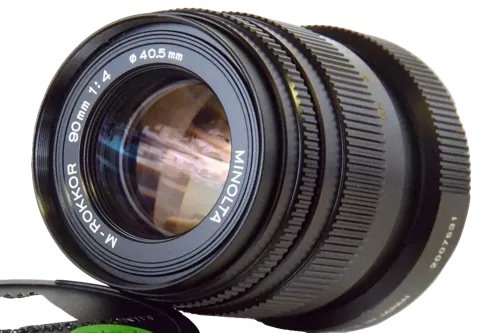
The Minolta M-Rokkor 90mm f/4 is a compact Leica M-mount telephoto built around the CL and CLE rangefinders, prized by collectors for its small size.
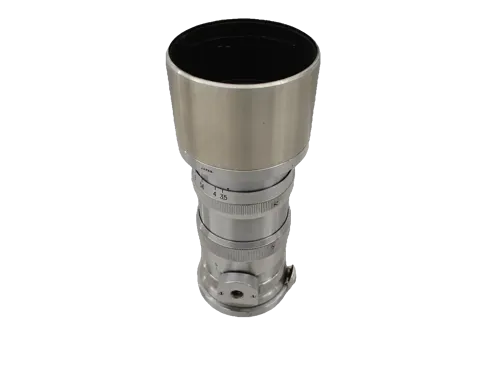
The Nippon-Kogaku Nikkor-Q.C 13.5cm f/3.5 is a four-element LTM rangefinder telephoto from Nikon's S-system era, prized by classic Nikon collectors.
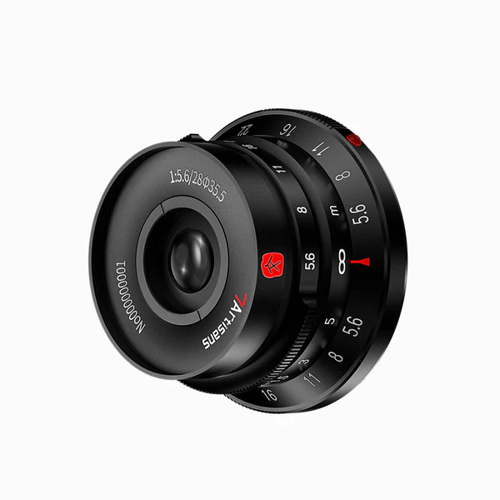
The 7artisans 28mm f/5.6 is an affordable manual M-mount wide-angle prime, a budget alternative to Leica's Summaron-M 28mm valued for compact travel use.
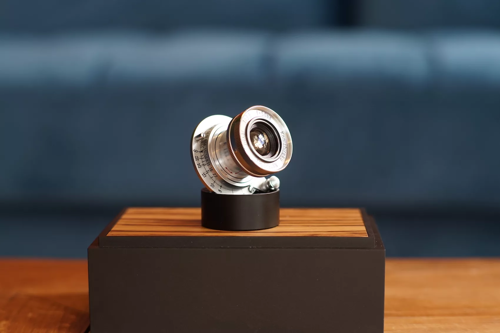
The Konishiroku Hexar 50mm f/3.5 is a collapsible Tessar-type LTM standard lens of the 1950s, fitted to many Japanese Barnack-style rangefinders.
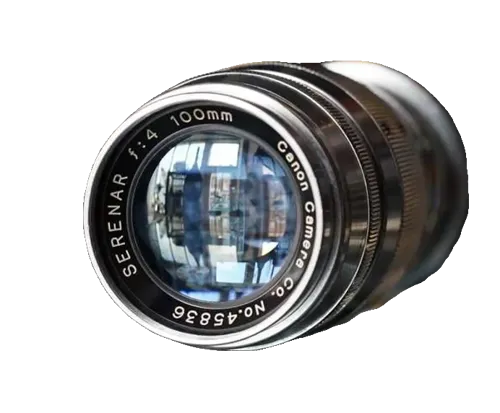
The Canon Serenar 100mm f/4 II is a lightweight LTM screw-mount triplet telephoto, a 1950 refinement of Canon's early rangefinder lens line.
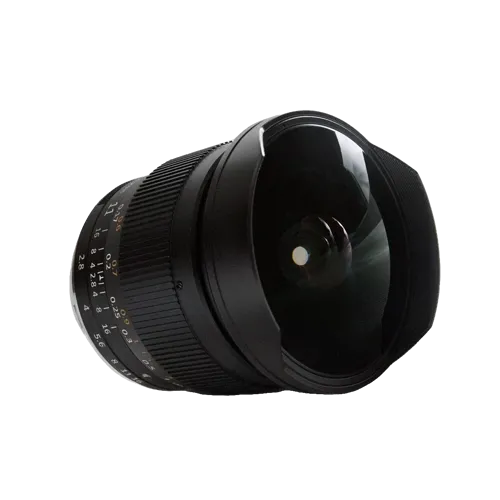
The TTArtisan 11mm f/2.8 is a diagonal fisheye for Leica M mount, notable as the first full-frame fisheye made for the rangefinder system.
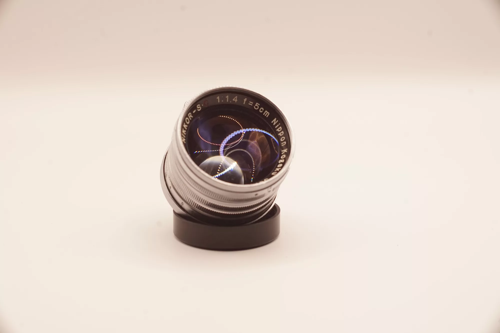
A Sonnar-derived Nippon-Kogaku Nikkor-SC 50mm f/1.4 in Leica screw mount (LTM), a single-coated fast fifty prized by rangefinder collectors for classic rendering.
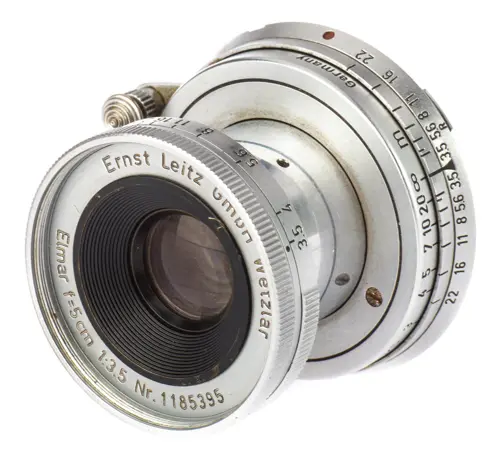
The Leica Elmar 5cm f/3.5 (11110) is the M-bayonet version of the classic collapsible 50mm Tessar-type lens, prized by Leica M rangefinder collectors.
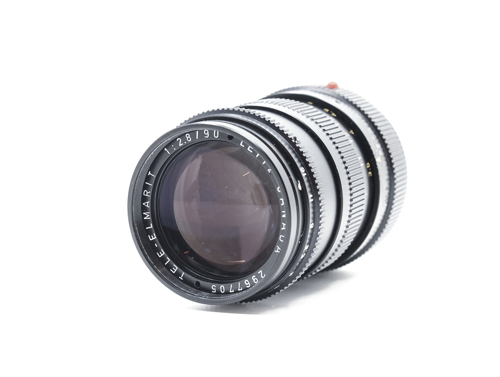
The Leica Tele-Elmarit-M 90mm f/2.8 is a compact M-mount short telephoto whose four-element "thin" version is prized by collectors for its small size.
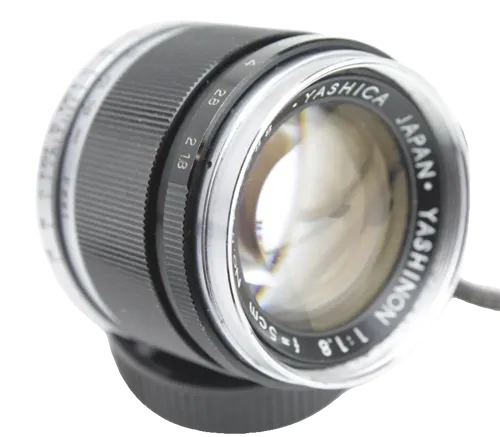
The Yashica Yashinon 50mm f/1.8 is an early rangefinder-coupled LTM standard lens with six elements, made for the short-lived Yashica YF system.
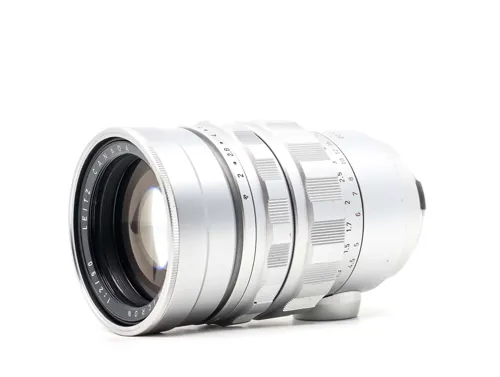
Classic Canadian Leica 90mm f/2 Summicron: same sharp soul from 1959–1980, with changing looks, materials, blades, and handling over time.
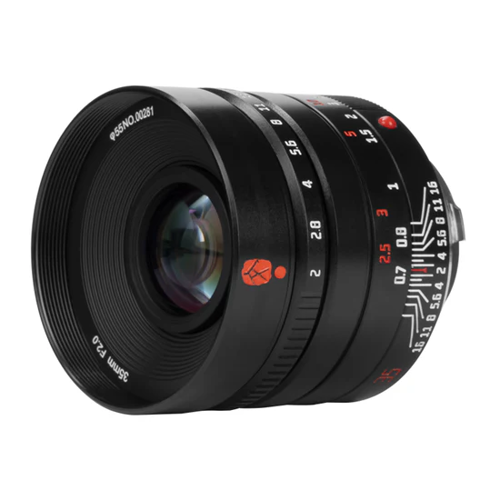
The 7artisans 35mm f/2 WEN (Mark II) is a compact 8-element manual prime in Leica M mount, part of the street-oriented WEN series for rangefinder shooters.
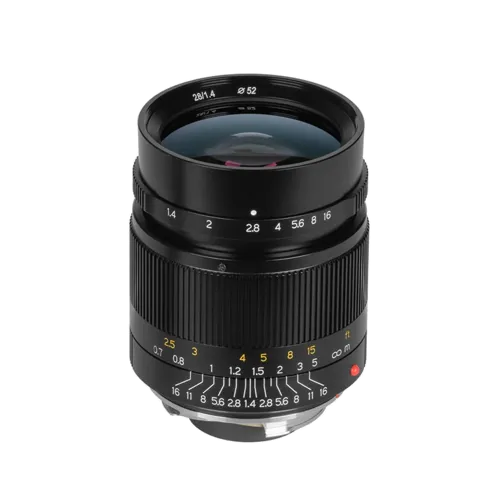
The 7artisans 28mm f/1.4 is a fast manual wide-angle in Leica M mount, notable as an affordable alternative to the 28mm Summilux for rangefinder and adapter users.
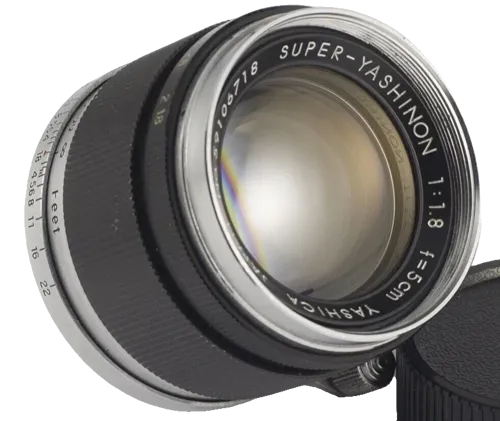
The Yashica Super-Yashinon 50mm f/1.8 is a six-element LTM rangefinder lens from the 1959 Yashica YF, a scarce post-Nicca screw-mount collectible.
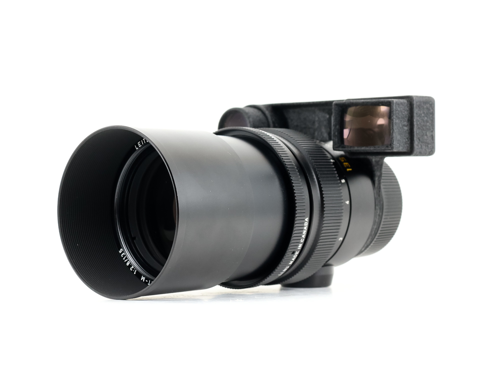
The Leica Elmarit-M 135mm f/2.8 II with OVU is an M-mount telephoto whose built-in magnifying goggles aid rangefinder focusing, a distinctive collector lens.
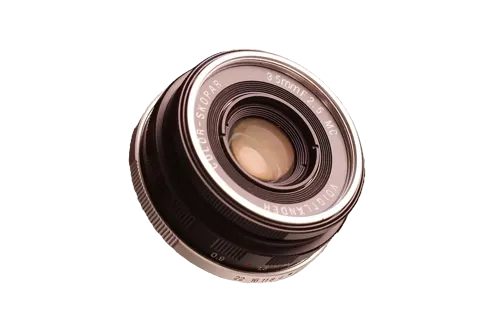
The Voigtländer Color-Skopar 35mm f/2.5 C is a compact LTM screw-mount pancake lens prized by Leica thread-mount and rangefinder collectors for its small size.
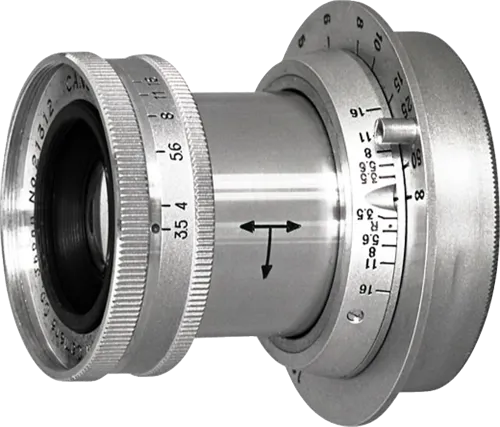
An August 1952 Canon Serenar 50mm f/3.5 standard lens with four elements in three groups, coupled LTM focusing and a collapsible barrel.
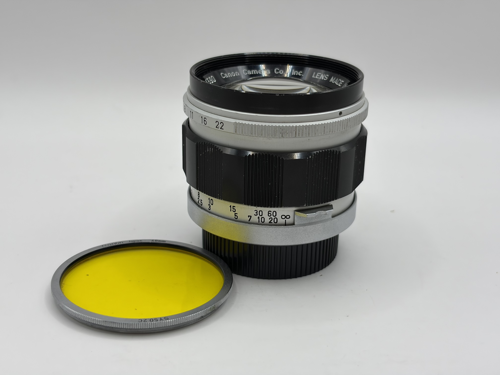
The Canon 50mm f/1.4 II is a fast six-element LTM rangefinder lens prized by collectors as among the best Canon screw-mount fifties.
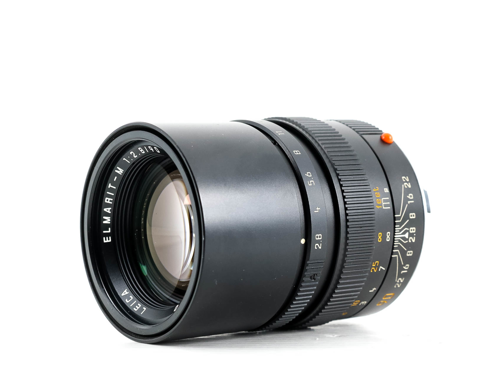
The Leica Elmarit-M 90mm f/2.8 is a compact M-mount short telephoto with a built-in hood, prized by collectors as a sharp, affordable portrait lens.
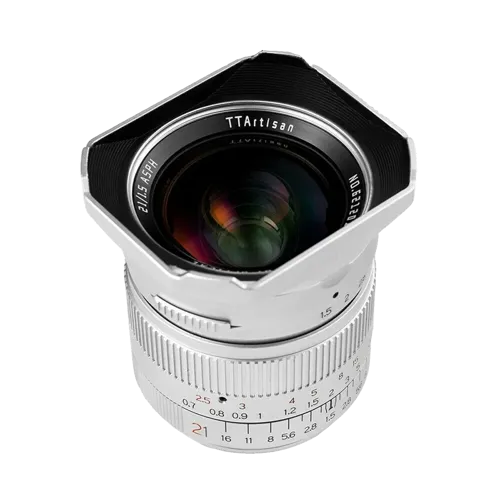
The TTArtisan 21mm f1.5 ASPH is a fast, affordable Leica M-mount wide-angle whose rare 21mm f/1.5 aperture made it a notable budget alternative for collectors.
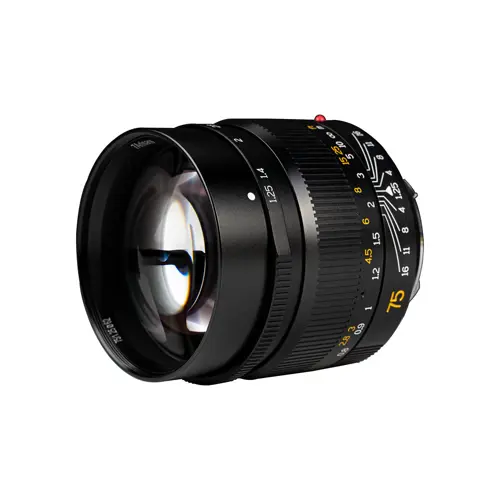
The 7artisans 75mm f/1.25 I is a fast, affordable Leica M-mount portrait lens whose smooth bokeh and 12-blade diaphragm draw budget-minded collectors.
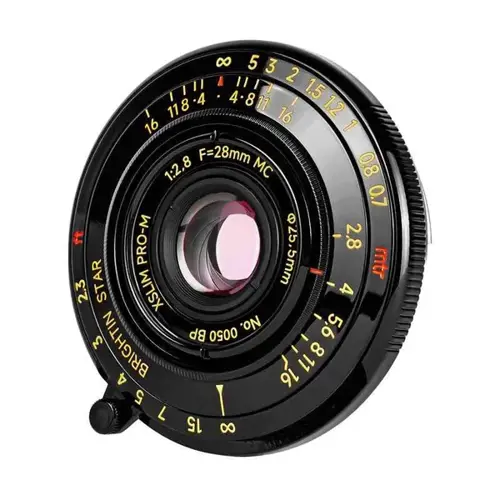
Brightin Star 28mm F2.8 Leica M pancake lens, a compact black lacquer full-frame wide-angle lens for street, travel, and rangefinder photography.
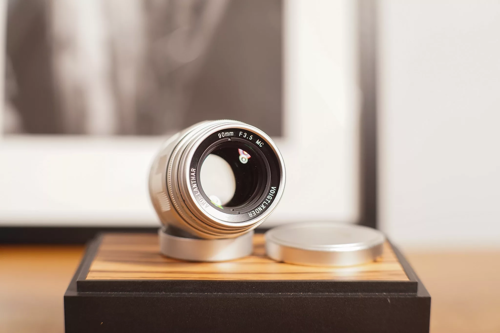
The Voigtländer APO-LANTHAR 90mm f/3.5 is a compact apochromatic LTM telephoto, the longest of the lenses launched with Cosina's Bessa-R and prized by rangefinder users.
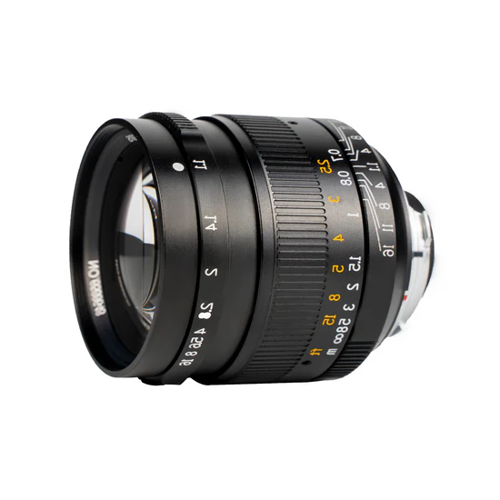
The 7artisans 50mm f/1.1 is a Sonnar-derived Leica M-mount lens whose ultra-fast aperture and budget price made it a popular entry into M-mount fast fifties.
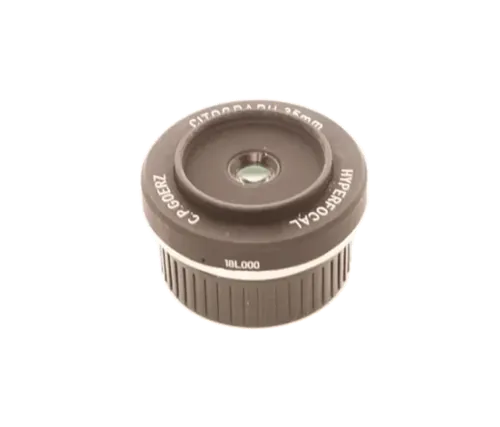
C.P. Goerz Citograph 35mm f/8 Leica M is a compact fixed-focus hyperfocal street lens for M-Mount collectors.
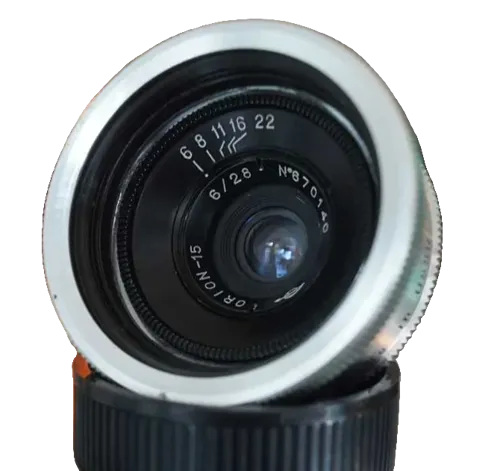
The ZOMZ Orion-15 28mm f/6 is a compact Soviet, rangefinder-coupled LTM wide-angle lens with four-element Topogon-type optics and low distortion.
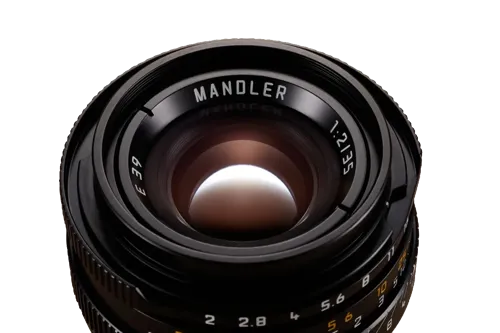
The Mandler 35mm f/2, a compact 7-element wide-angle for Leica M and LTM screw mount, is a recent rangefinder design offered in black and silver.
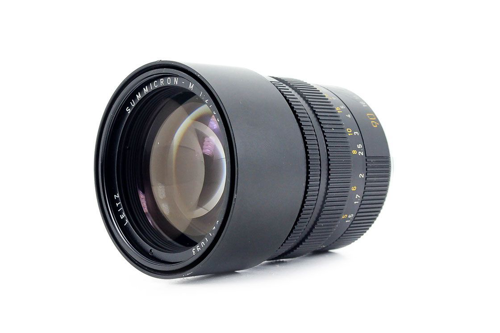
The Leica Summicron-M 90mm f/2 (pre-ASPH), order numbers 11136 and 11137, is a fast Canadian-designed telephoto for the M rangefinder, prized by portrait shooters.
The Canon 85mm f/1.9 II is a six-element LTM rangefinder portrait lens from 1958, a lighter restyled successor to the 1951 Serenar prized by collectors.
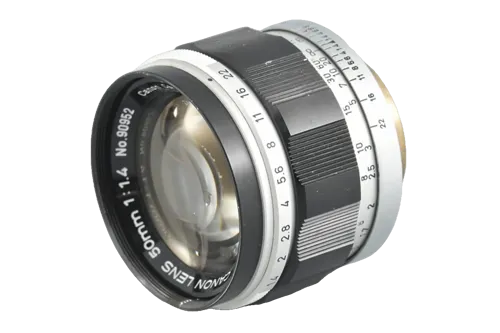
Canon 50mm f/1.4 I, a compact six-element LTM rangefinder lens of the late 1950s, the "Japanese Summilux" prized by collectors as an affordable fast fifty.
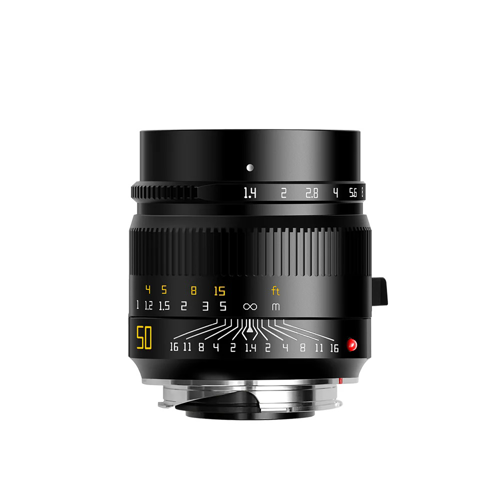
The TTArtisan 50mm f/1.4 ASPH. is a budget-priced manual-focus standard lens in Leica M mount, a rangefinder-coupled alternative to the Summilux.
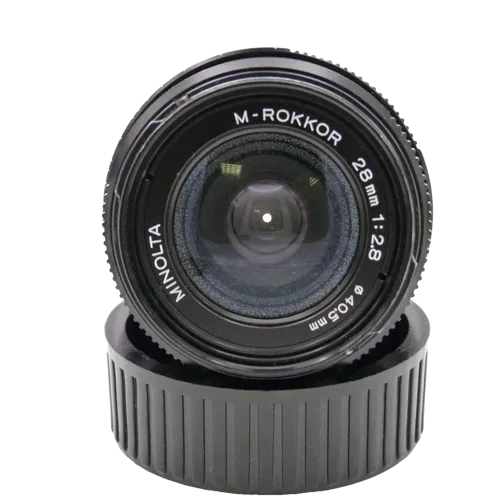
The Minolta M-Rokkor 28mm f/2.8 is a compact M-mount wide-angle built for the Minolta CLE, prized by collectors as an affordable, capable 28mm rangefinder lens.
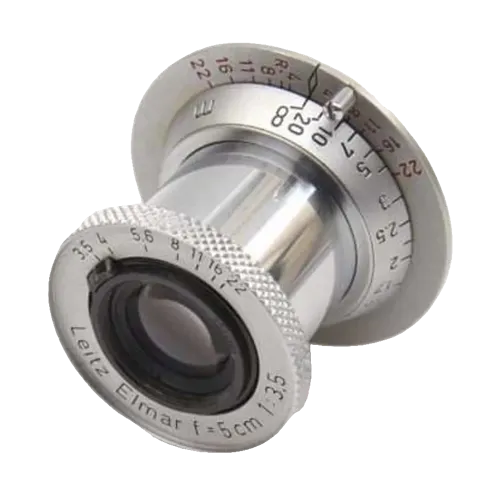
The Leica Elmar 50mm f/3.5 Red Scale is a late collapsible LTM standard lens, recognized by its revised optics and red depth-of-field markings.
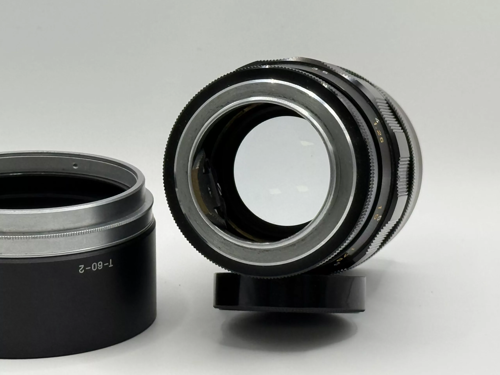
The Canon 100mm f/2 is a fast LTM screw-mount rangefinder telephoto made from 1959 to 1973, prized by collectors for its sharp, smooth rendering.
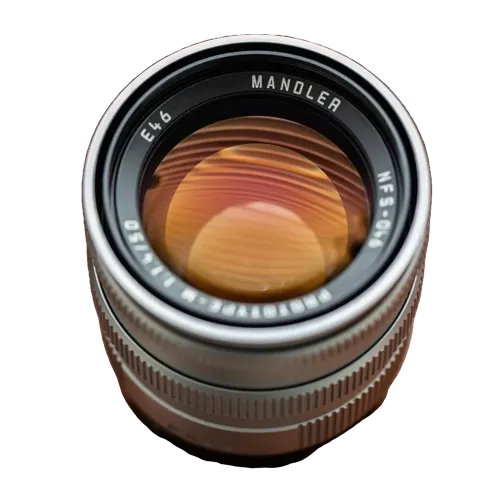
The Mandler 50mm f/1.4 E46 PRE-A is a modern Leica M lens inspired by the spherical Pre-ASPH Summilux, with 0.5m close focus and 12 blades.
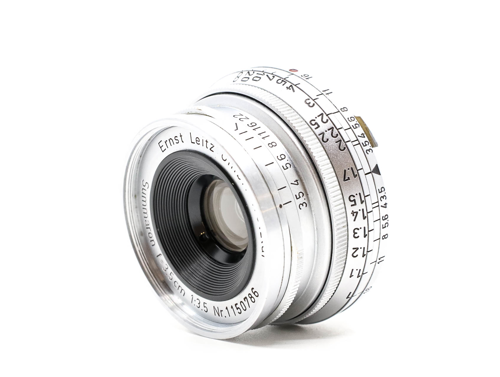
The Leica Summaron 35mm f/3.5 is a compact six-element wide-angle lens in M mount, prized by collectors for its vintage low-contrast rendering and tiny size.
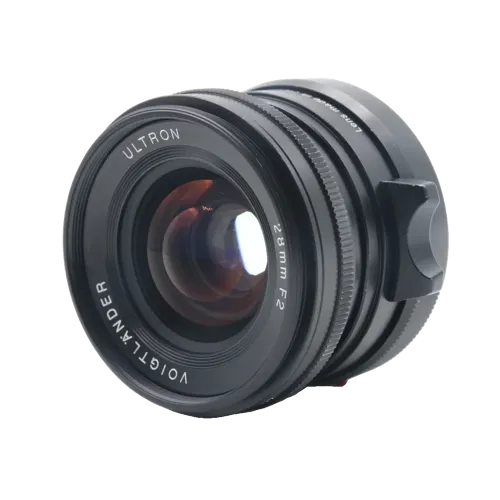
The Voigtländer Ultron 28mm f/2 is a compact, fast wide-angle for Leica M mount, prized by rangefinder users for sharp, low-distortion results in a small body.
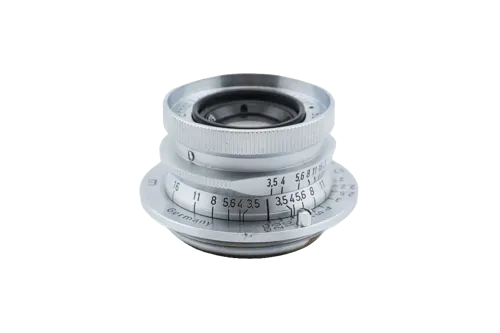
Leica Summaron 35mm f/3.5 SOONC 11005 is the early Leica L39/LTM A36 screw-mount version of the classic 3.5cm Summaron.
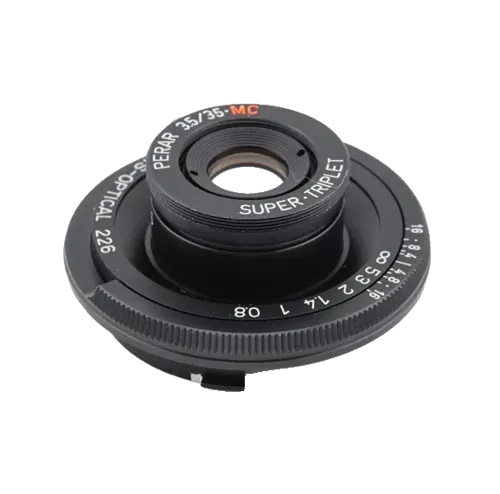
The MS-Optics Perar 35mm f/3.5 is a hand-built three-element triplet pancake for Leica M mount, the lens that made Miyazaki's MS-Optics a collector name.
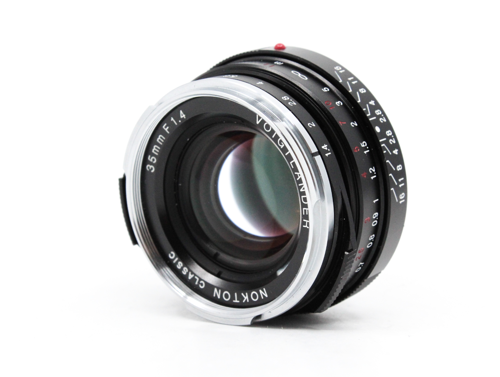
The Voigtländer Nokton Classic 35mm f/1.4 (Version I) is a compact, fast M-mount rangefinder lens offered in single-coated and multi-coated forms.
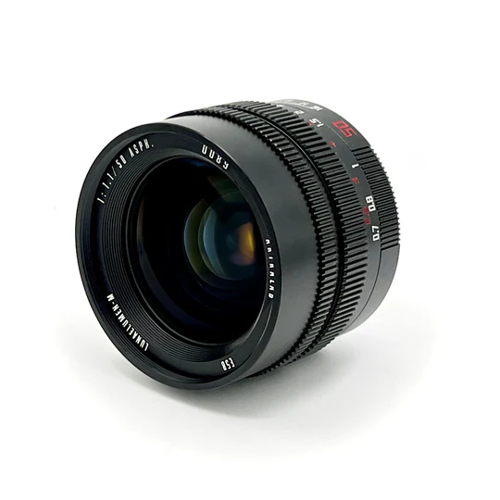
The Artralab 50mm f/1.1 Lunaelumen-M V3 is a fast manual M-mount prime, a low-cost large-aperture fifty drawing interest from Leica and mirrorless shooters.
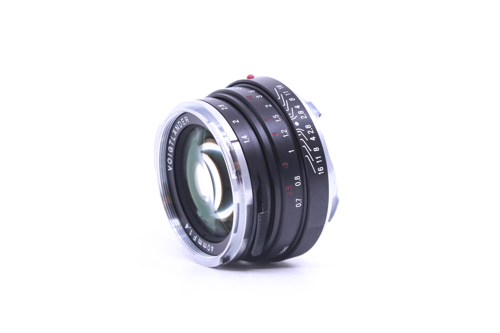
The Voigtländer Nokton 40mm f/1.4 is a compact M-mount fast normal lens made by Cosina, prized by rangefinder users for its small size and price.
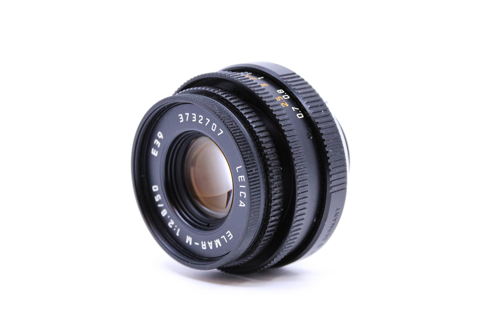
The Leica Elmar-M 50mm f/2.8 is a compact collapsible M-mount standard lens (1994 to 2007) prized by collectors for its small size and modern optics.
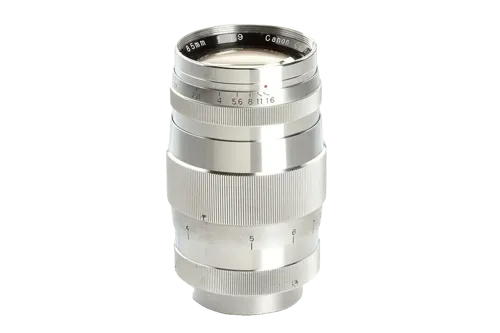
The Canon 85mm f/1.9 Serenar is a chrome, six-element LTM (M39) rangefinder portrait lens, a fast short telephoto sought by Leica screw-mount collectors.
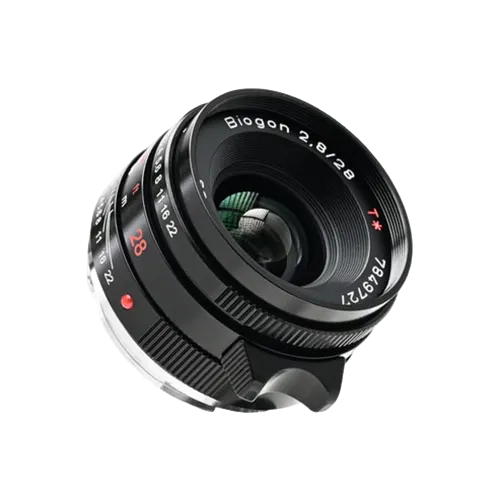
The Funleader Contax Biogon 28mm f/2.8 Conversion brings the original Carl Zeiss Contax G Biogon T* 28mm f/2.8 optical block to Leica M mount through a reversible, rangefinder-coupled conversion. Introduced in 2026, its lightweight aluminum exterior and brass internal structure complete Funleader's G28, G35 and G45 conversion series.
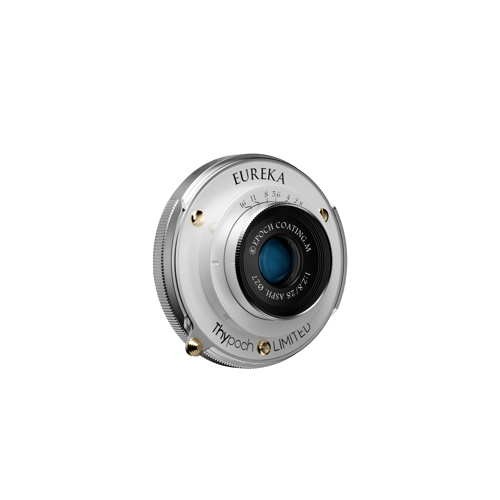
The Thypoch Eureka 28mm f/2.8 is a compact M-mount pancake lens whose vintage styling nods to the Ilford Advocate, of growing interest to collectors.
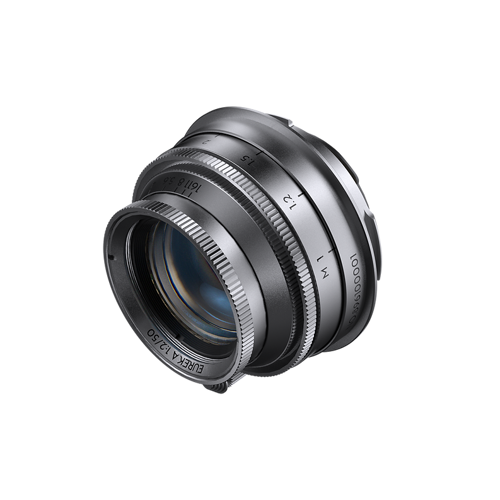
The Thypoch Eureka 50mm f/2 is a modern manual focus lens introduced in 2024, designed as a mechanical and aesthetic tribute to the classic collapsible lenses of the 1950s. Available in both lightweight aluminum and solid brass finishes, it incorporates a retractable barrel mechanism that reduces the lens profile for storage. Internally, it utilizes a modernized six-element optical formula with Extra-Low Dispersion glass, offering a balance between vintage rendering characteristics and modern contrast, while its 12-blade aperture ensures circular bokeh highlights at all settings.
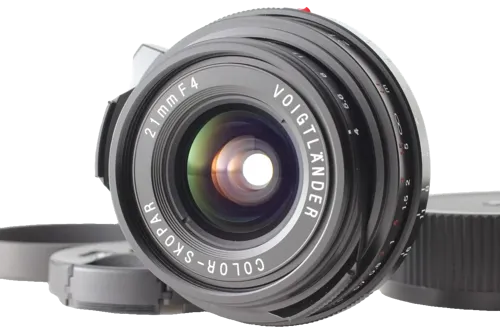
The Voigtländer Color-Skopar 21mm f/4 is a compact LTM ultra-wide for Leica screw-mount and Bessa rangefinders, valued by film shooters for its pancake size.
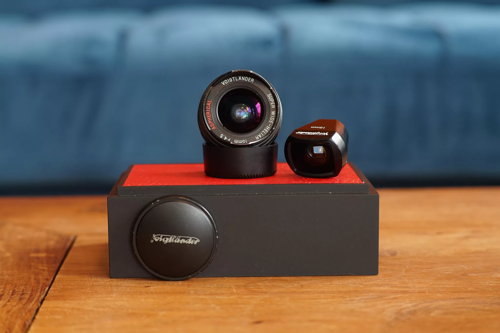
The Voigtländer Super Wide-Heliar 15mm f/4.5 is an LTM screw-mount ultra-wide that revived the Voigtländer name and remains a collector favorite.
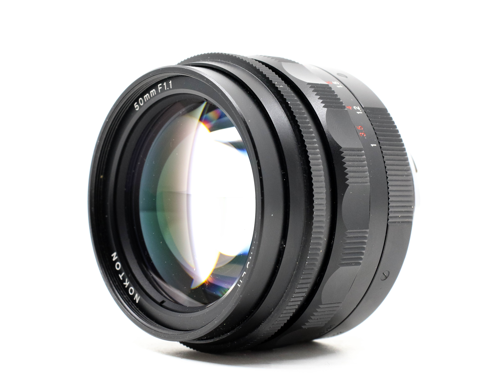
The Voigtländer Nokton 50mm f/1.1 is a fast spherical Leica M-mount lens from Cosina, long valued as an affordable alternative to the 50mm Noctilux look.
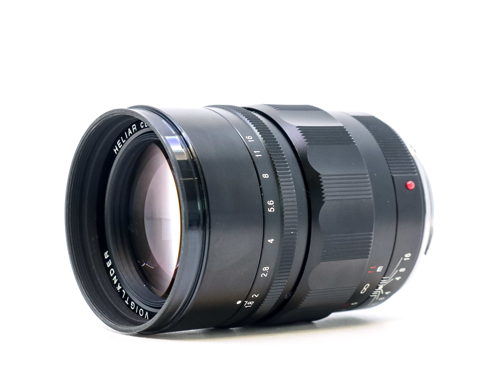
Voigtländer Heliar Classic 75mm f/1.8 is a compact, rangefinder-coupled Leica M-mount short telephoto with a deliberately classic, lower-contrast rendering.
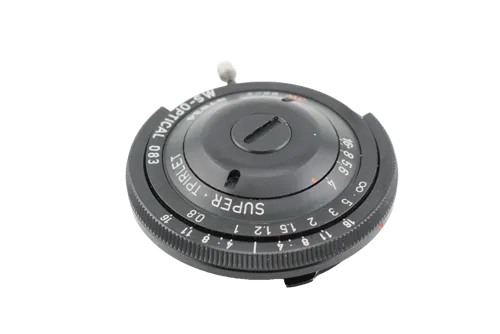
The MS-Optics Perar 28mm f/4 is a hand-built, ultra-thin three-element Leica M-mount wide-angle, prized by collectors as one of the smallest M lenses ever made.
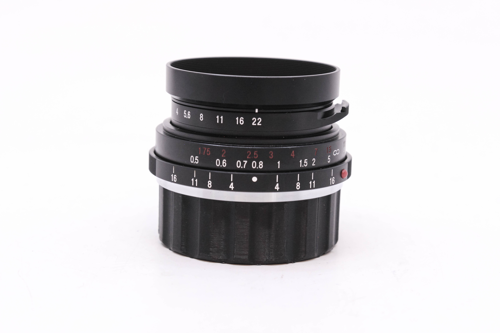
The Voigtländer Color-Skopar 21mm f/4 P is a Cosina-made pancake wide-angle for Leica M mount, prized by rangefinder users for its tiny size and sharp output.
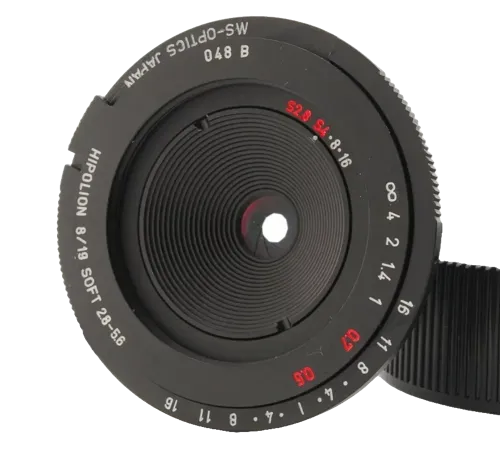
The MS-Optics Hipolion 19mm f/8 is a two-element Hypergon-formula ultra-wide Leica M-mount lens, prized by collectors as among the smallest M lenses made.
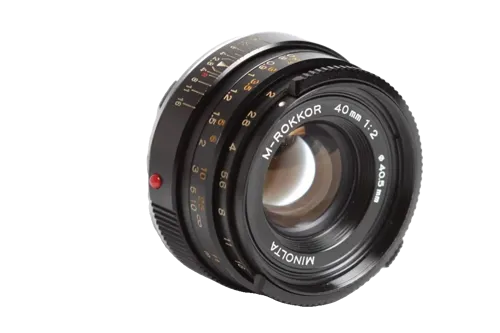
The Minolta M-Rokkor 40mm f/2 is a compact M-mount normal lens built for the Minolta CLE, sharing the Leica Summicron-C 40mm optical design and prized by collectors.
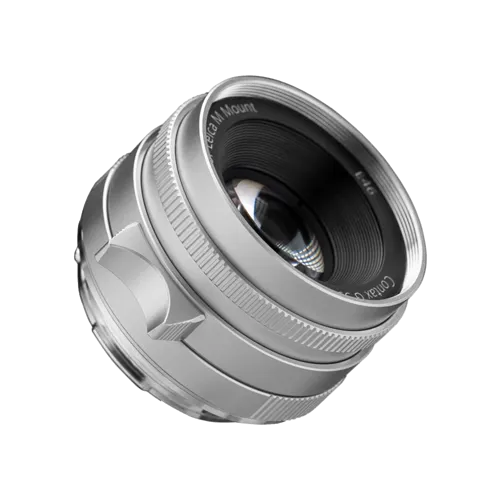
The Funleader Contax Planar 35mm f/2 Conversion V1 is the original non-destructive Leica M rehousing of the Carl Zeiss Contax G Planar T* 35mm f/2. Introduced in 2019 with Mr Ding Studio, it places the original Zeiss 7-element optical block in a manual-focus, rangefinder-coupled M-mount housing.
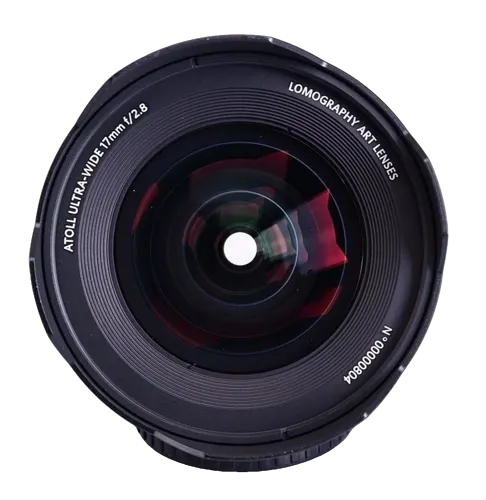
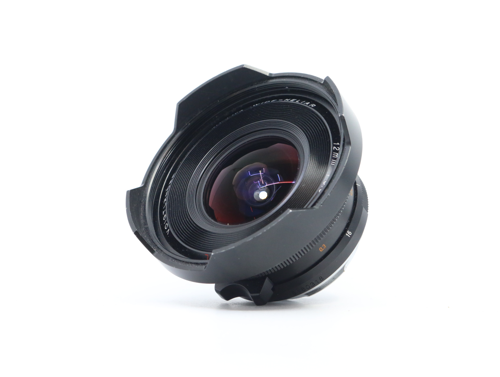
Voigtländer's LTM Ultra Wide-Heliar 12mm f/5.6 I was the widest rectilinear 35mm lens at its 2000 launch, a tiny screw-mount wide prized by collectors.
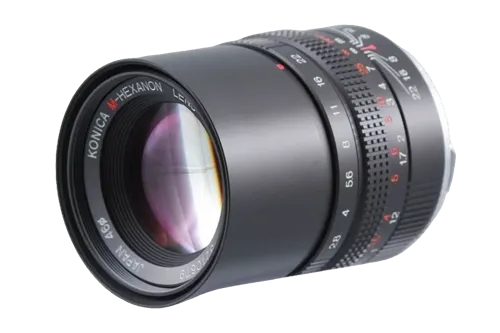
The Konica M-Hexanon 90mm f/2.8 is a Leica M-mount short telephoto built for the Hexar RF, a well-made, collectible alternative to the Leica Elmarit-M 90.
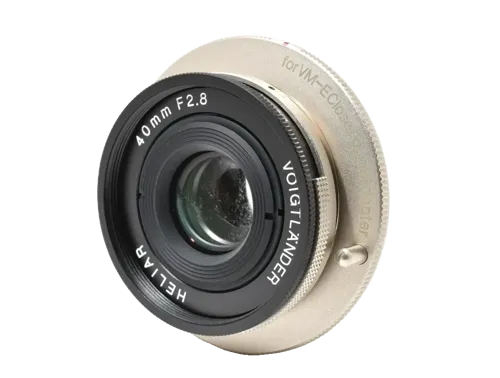
The Voigtländer Heliar 40mm f/2.8 ASPH is a tiny brass M-mount and LTM pancake from Cosina, prized by collectors for its vintage styling and 40mm framing.
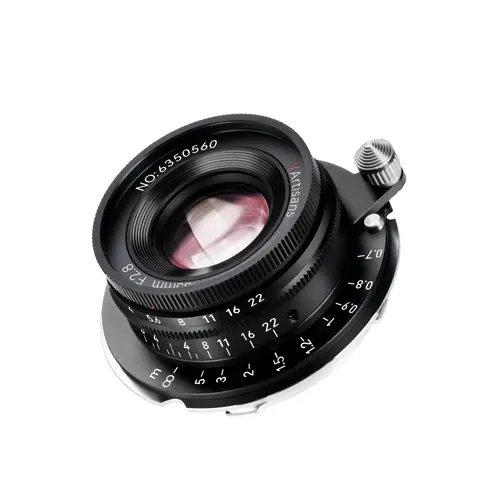
The 7Artisans M 35mm f/2.8 is a tiny double-Gauss pancake prime in M and LTM mounts, a low-cost vintage-styled 35mm aimed at rangefinder shooters.
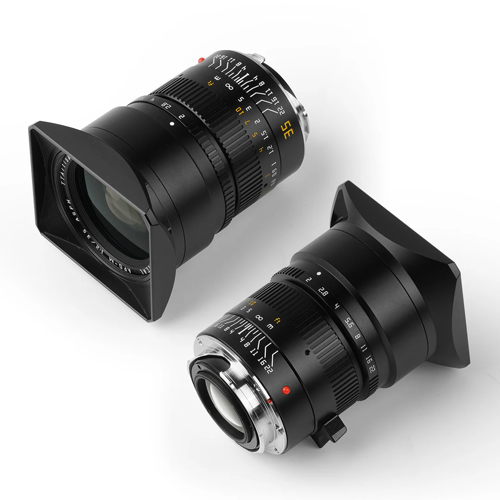
The TTArtisan APO-M 35mm f/2 ASPH is a manual-focus Leica M-mount lens that brings apochromatic, aspherical correction to rangefinders at a budget price.
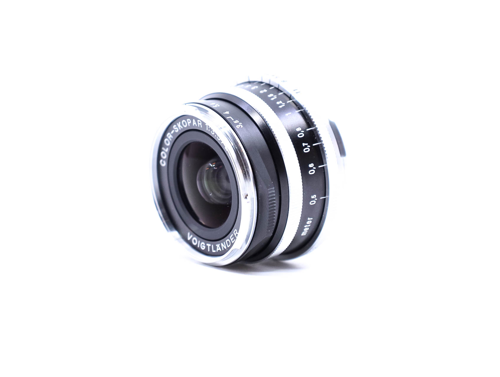
The Voigtländer Color-Skopar 21mm f/3.5 is a compact aspherical wide-angle for Leica M mount, part of Cosina's retro-styled Vintage Line for rangefinder shooters.
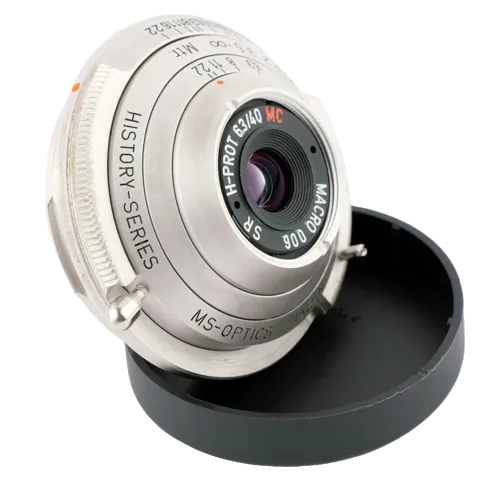
The MS-Optics Historio Prot 40mm f/6.3 is a featherweight Leica M-mount lens reviving Paul Rudolph's symmetrical Protar formula, prized by collectors.
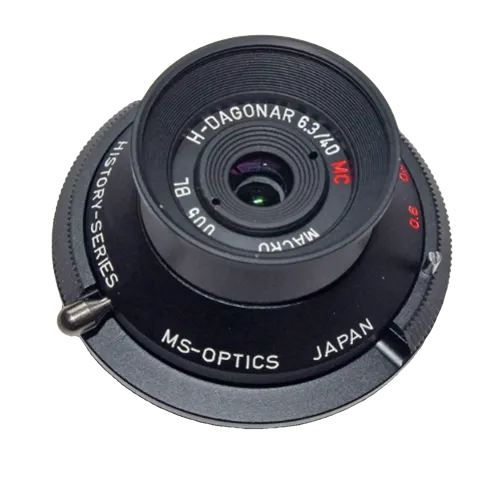
The MS-Optics Historio Dagonar 40mm f/6.3 is a hand-built Leica M Dagor-type lens prized by collectors for its slim macro-capable, six-element design.
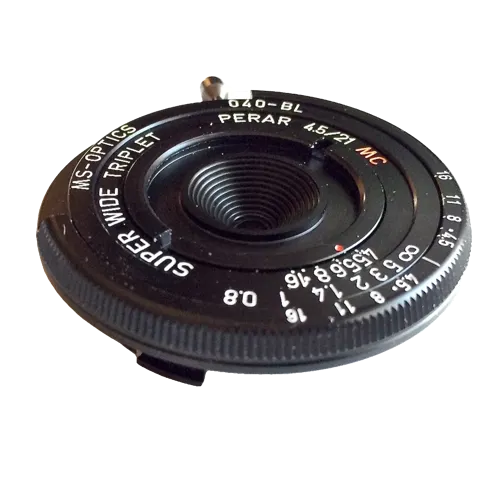
The MS Optics 21mm f/4.5 Perar is arguably the most famous creation from Sadayasu Miyazaki’s basement lab in Japan. It’s a "Super Triplet", an ancient optical design resurrected in a package so thin (5.2mm) that it looks more like a lens cap than a piece of glass. It’s sharp in the middle, wild in the corners, and incredibly frustrating to use if you have large fingers. But despite the heavy vignetting and the fact that it turns digital sensors pink in the corners, it offers a specific, high-contrast look and a "pocketability" factor that makes you forgive its many mechanical eccentricities.
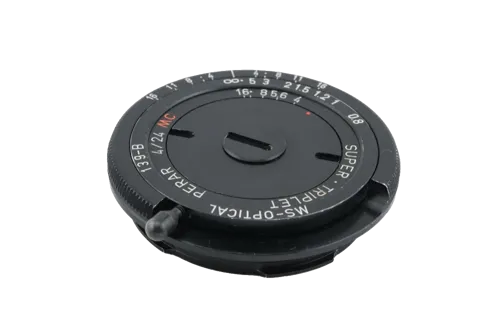
The MS Optics 24mm f/4 Perar is widely regarded as the "Goldilocks" lens of the Perar lineup, balancing the extreme pancake size of the 21mm with a slightly more manageable focal length and less aggressive color shifting on digital bodies. Hand-assembled by Sadayasu Miyazaki, this "Super Triplet" weighs 43 grams and measures just 5.2mm thick, effectively transforming a Leica M into a pocket camera. While it still demands patience due to its tiny, hood-controlled aperture and inevitable vignetting, it offers a distinct, high-contrast render that feels far more organic than clinical modern alternatives.
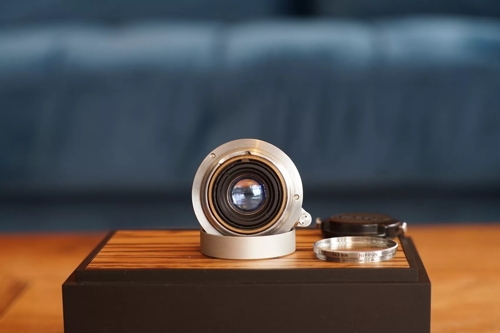
Nippon-Kogaku's W-Nikkor.C 3.5cm f/2.5 is a compact six-element LTM wide-angle, a brass-built rangefinder favorite prized for its handling and classic rendering.
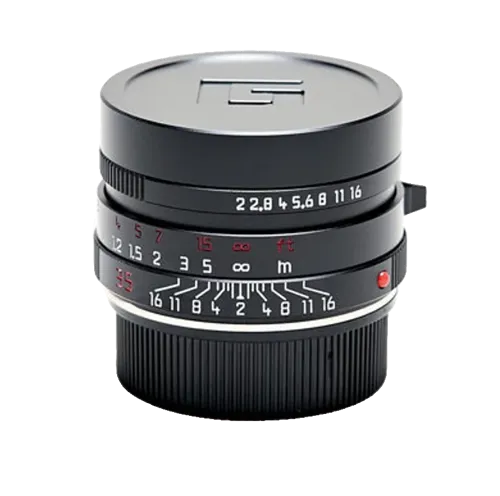
The Mr. Ding V2.1 conversion rehouses the seven-element Contax G Planar T* 35mm f/2 in a lightweight, rangefinder-coupled Leica M barrel.
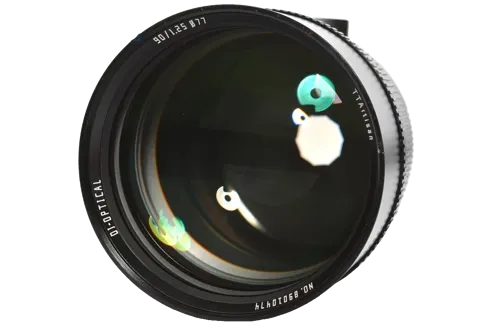
The TTArtisan M 90mm f/1.25 is an affordable, very fast rangefinder-coupled M-mount portrait lens prized for its extreme shallow depth of field.
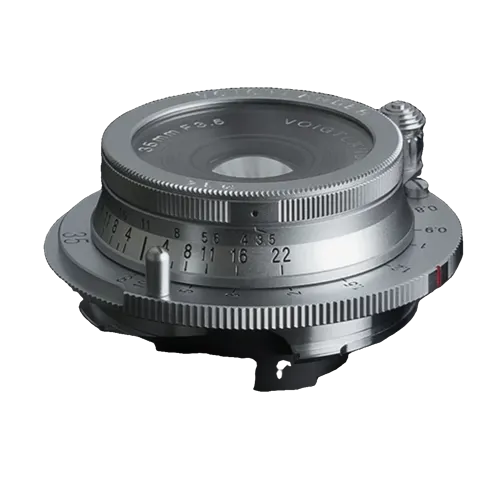
The Voigtländer Color-Skopar 35mm f/3.5 ASPH. is a compact six-element M-mount wide-angle, a 2025 Cosina lens of interest to Leica rangefinder collectors.
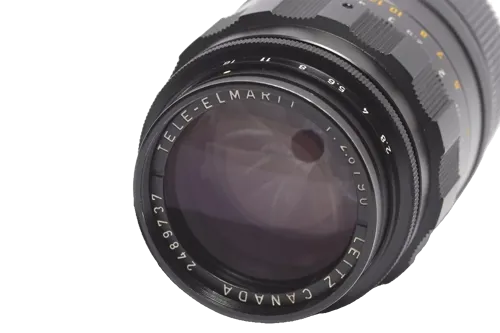
The Leica Tele-Elmarit 90mm f/2.8 "Fat" is a Canadian-made M and LTM short telephoto from the 1960s, prized by collectors for its compact true-tele design.
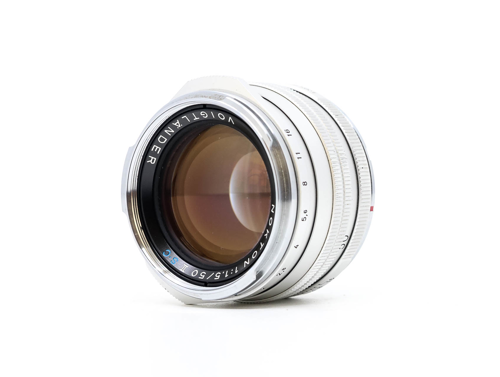
The Voigtländer Nokton 50mm f/1.5 II is a compact NOKTON Vintage Line M-mount lens, redesigned with eight elements and offered in MC and SC coatings.
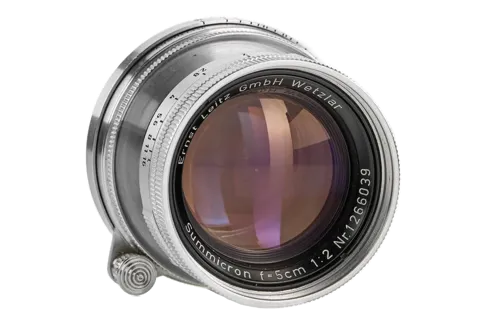
The Leica Summicron 50mm f/2 Version 1 (Collapsible) is the lens that defined the modern "Leica look." Produced between 1953 and 1960, it features a classic 7-element optical design housed in a dense, satin-chrome brass barrel that retracts for portability. Famed for its "radioactive" thorium glass elements that often warm with age, the V1 offers a unique, lower-contrast vintage rendering with a signature glow at f/2, sharpening significantly when stopped down.
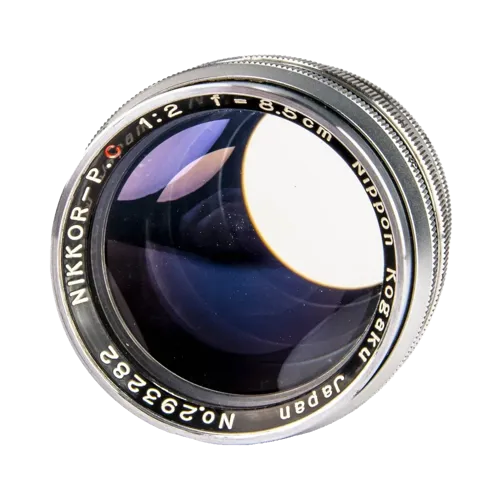
The Nippon-Kogaku Nikkor-P.C 8.5cm f/2 is an LTM Sonnar-type portrait lens whose sharpness helped make the Nikkor name famous worldwide among collectors.
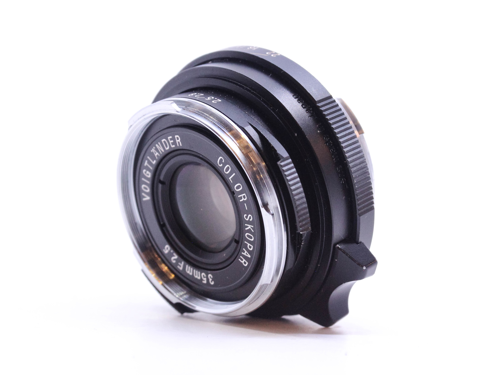
Voigtländer's Color-Skopar 35mm f/2.5 P II is a compact M-mount pancake-style 35mm, prized by rangefinder users as an affordable, sharp travel lens.
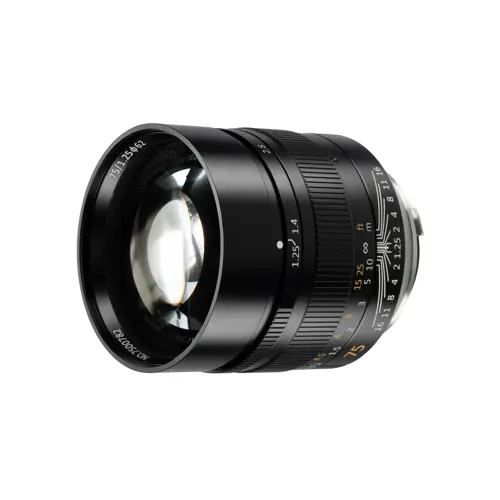
The 7artisans 75mm f/1.25 II is a fast manual-focus portrait lens for Leica M mount, a low-cost alternative to Leica's far pricier Noctilux 75mm.
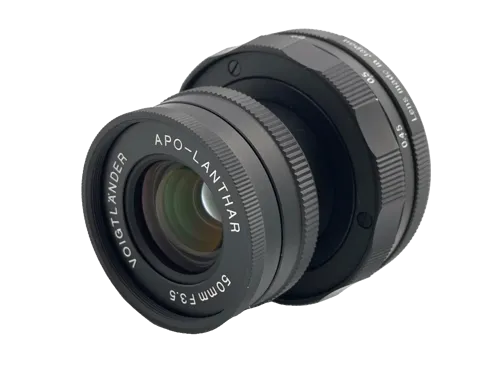
The Voigtländer APO-LANTHAR 50mm f/3.5 Type I is a compact apochromatic M-mount rangefinder lens that revives a classic name with modern corrected optics.
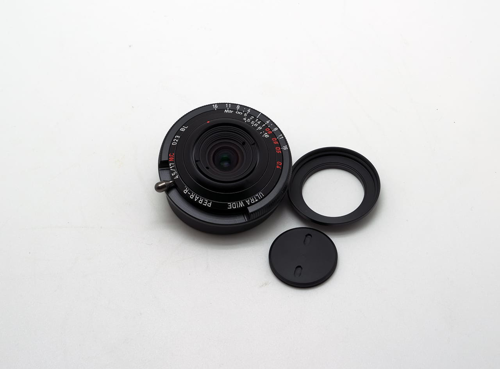
The MS Optics 17mm f/4.5 Perar is an ultra-wide angle pancake lens designed and hand-assembled by Sadayasu Miyazaki in Japan. Weighing only 47 grams and measuring just 10.2mm in length, it is one of the smallest wide-angle lenses ever produced for the Leica M mount. While its retrofocus design manages to keep the center sharp, the lens is defined by its significant optical compromises, including heavy vignetting, wavy distortion, and corner color shifts on digital sensors, making it a specialized tool for enthusiasts rather than a general-purpose architectural lens.
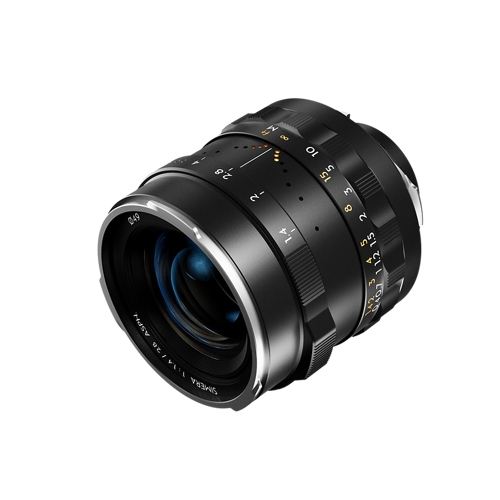
The Thypoch Simera 28mm f/1.4 is a fast wide-angle M-mount lens with a floating-element design, 14 rounded blades, and rangefinder coupling prized for its bokeh.
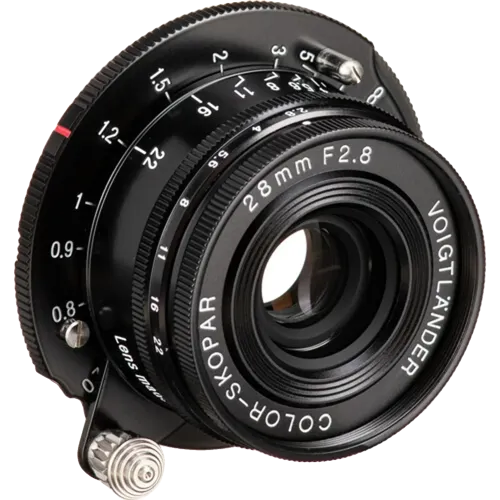
The Voigtländer Color-Skopar 28mm f/2.8 Type I is a brass-bodied M-mount rangefinder lens, the nostalgic-styled variant of Cosina's compact 2023 wide-angle.
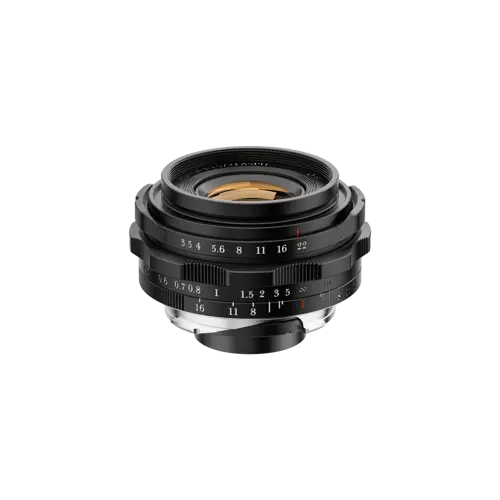
The Thypoch Ksana 21mm f/3.5 ASPH is a manual-focus 21 mm Leica M-mount wide-angle designed to be very small and light for everyday carry. A key feature is its Epoch Coating.73′, which is intended to create warm, amber flare when shooting into bright light, rather than removing flare entirely. Compared with the Leica Super-Elmar-M 21mm f/3.4 ASPH, the Ksana focuses more on compactness and a visible flare look, while the Leica is typically chosen for a more straightforward, corrected rendering. The Voigtländer Color-Skopar 21mm f/3.5 is another compact option with conventional behavior and similar slow speed. The Thypoch Simera 21mm f/1.4 is a different class, prioritizing low-light performance and shallow depth of field, but with much larger size and weight.
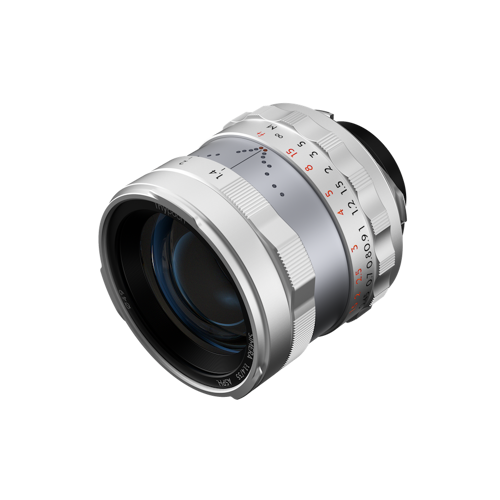
The Thypoch Simera 35mm f/1.4 II is a focus-tab M-mount lens that swaps the original infinity lock for a crescent tab, keeping the same 14-blade optics.
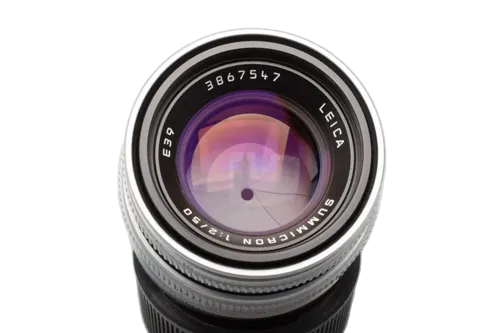
Leica Summicron 50mm f/2 M39 11619 is a rare 1999 silver chrome LTM lens made for Leica screw-mount collectors.
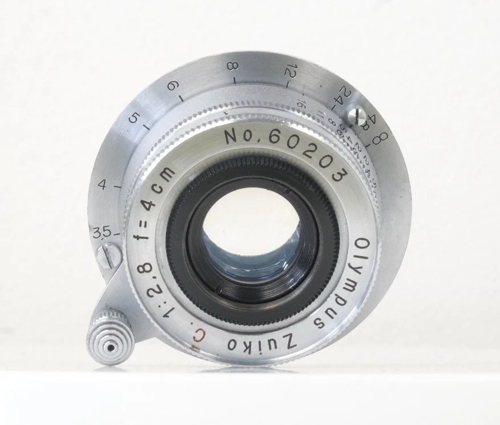
Olympus Zuiko C 4cm f/2.8 is the only lens Olympus built in Leica screw mount (LTM), a scarce chrome wide-angle prized by rangefinder collectors.
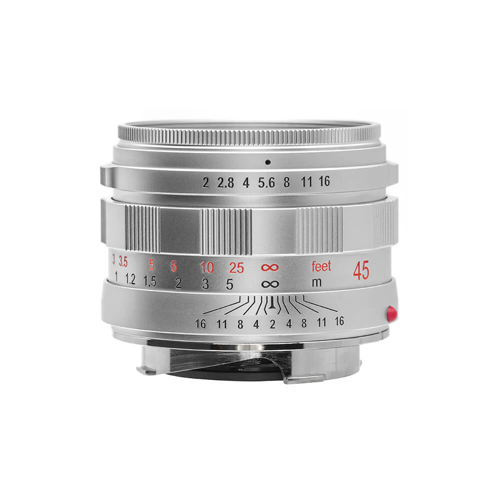
The Funleader Contax Planar 45mm f/2 puts the Carl Zeiss Planar T* normal lens onto Leica M mount through a non-destructive rangefinder-coupled conversion.
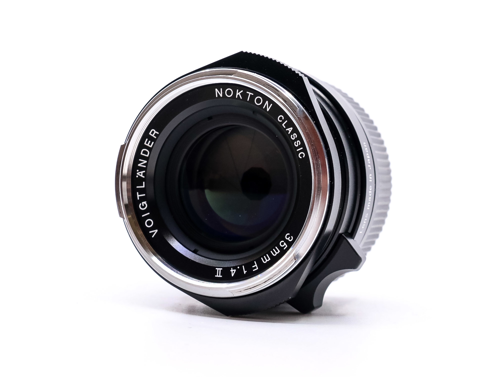
The Voigtländer Nokton Classic 35mm f/1.4 II, an M-mount rangefinder lens in SC and MC coatings, updates a cult fast 35mm for digital sensors.
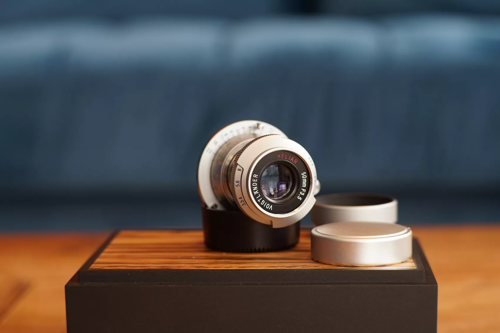
The Voigtländer Heliar 50mm f/3.5 I is a collapsible LTM screw-mount normal lens reviving the classic Heliar formula, prized by rangefinder collectors.
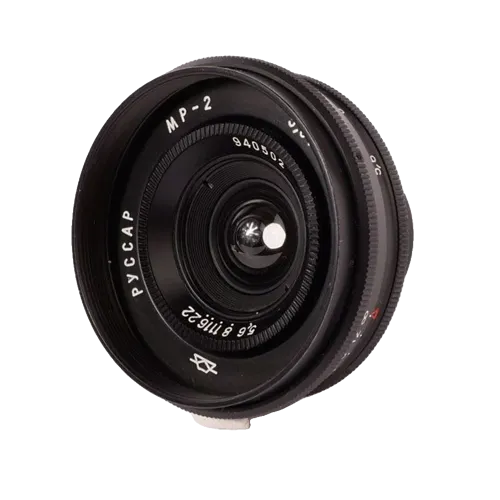
The KMZ Russar MP-2 20mm f/5.6 is a compact, uncoupled Soviet M39 ultra-wide lens with six elements in four groups and scale-focus handling.
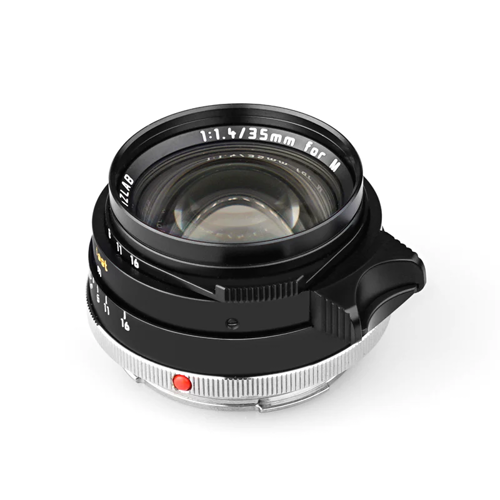
The Funleader Artizlab Classic 35mm f/1.4 is a Leica M-mount lens styled after the 1960s Summilux 35mm v2, drawing growing collector interest.
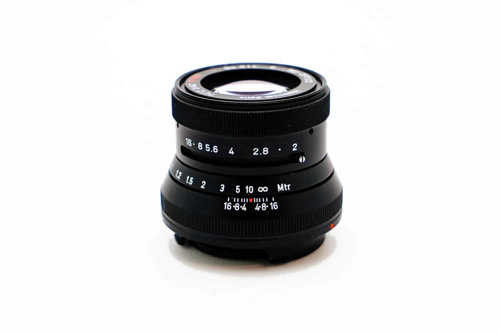
The MS-Optics Petz 57mm f/2 is a hand-built M-mount lens by Sadayasu Miyazaki reviving the 1840 Petzval portrait design for Leica rangefinders.
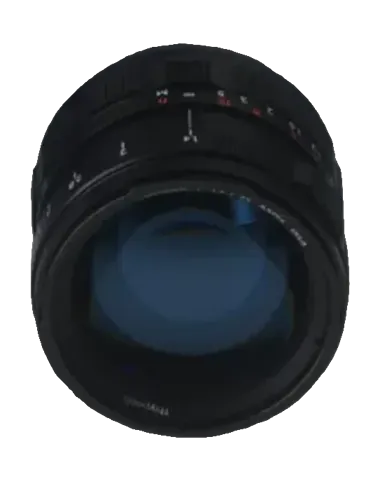
The Thypoch Simera 75mm f/1.4 ASPH. is a compact 16-blade Leica M-mount portrait prime, the longest entry in Thypoch's fast Simera lineup.
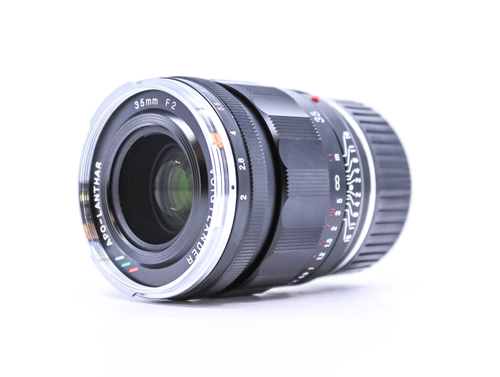
The Voigtländer APO-LANTHAR 35mm f/2 is an apochromatic Leica M-mount lens prized by collectors for very high resolution and contrast wide open.
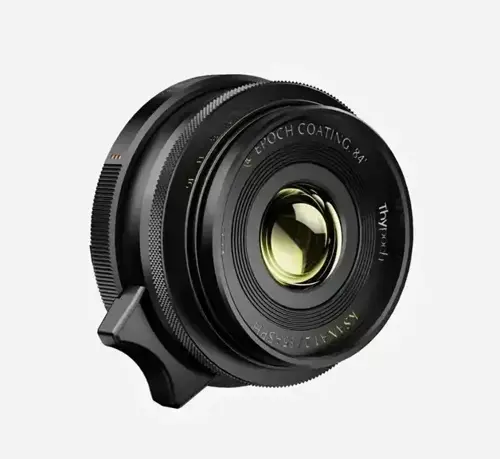
A solid lens for a really good price. Flat field curvature, good sharpness across the frame, golden coating. Brass build, 199 grams, easy recommendation!
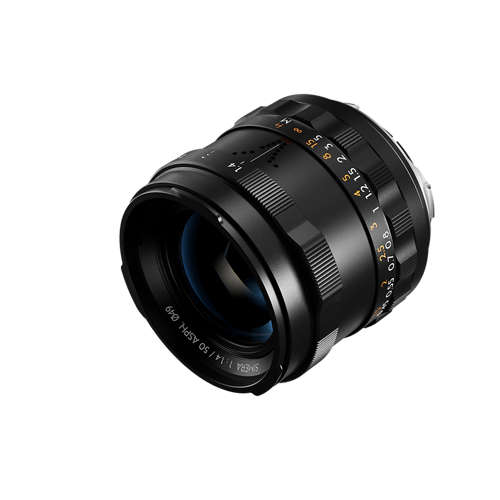
The Thypoch Simera 50mm f/1.4 is a fast manual normal lens for Leica M mount, notable for floating elements and a 0.45 m close-focus that undercuts rival fast fifties.
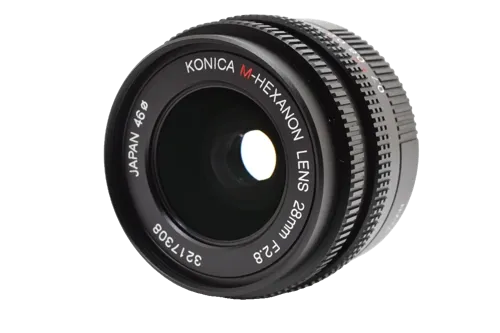
The Konica M-Hexanon 28mm f/2.8 is a compact wide-angle prime in Leica M mount, a versatile, well-regarded Hexar RF-era lens now sought by collectors.
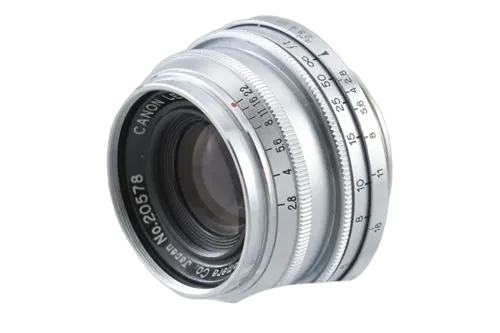
The Canon 35mm f/2.8 II is a compact 1957, rangefinder-coupled LTM wide-angle lens with six elements, a 40mm filter thread and 125g weight.
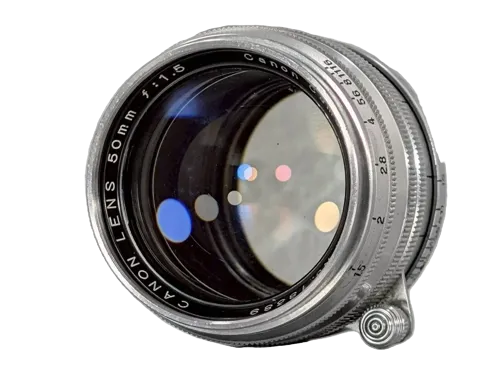
A Sonnar-derived Canon 50mm f/1.5 in Leica thread mount, a 1952 large-aperture standard lens prized by collectors for its classic rendering.
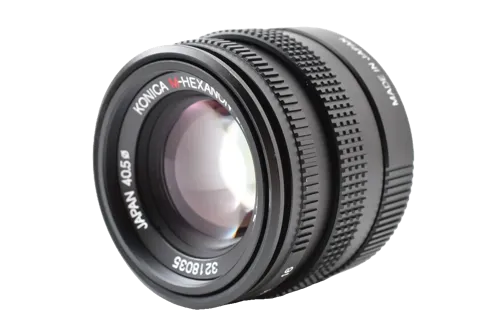
The Konica M-Hexanon 50mm f/2 is a double-Gauss Leica M-mount standard lens from the Hexar RF system, prized by rangefinder collectors.
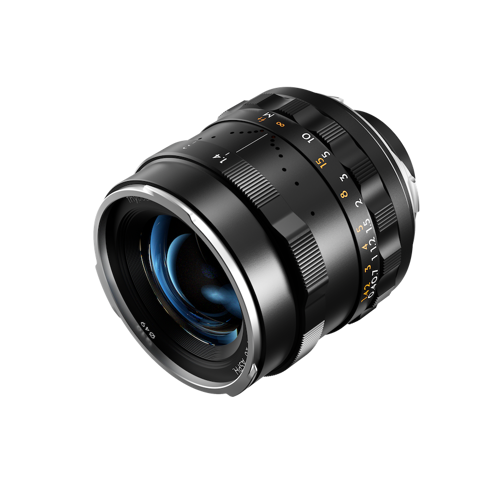
The Thypoch Simera 28mm f/1.4 II (Focus Tab) is a fast 28mm f/1.4 Leica M-mount lens that swaps the original infinity lock for a focus tab.
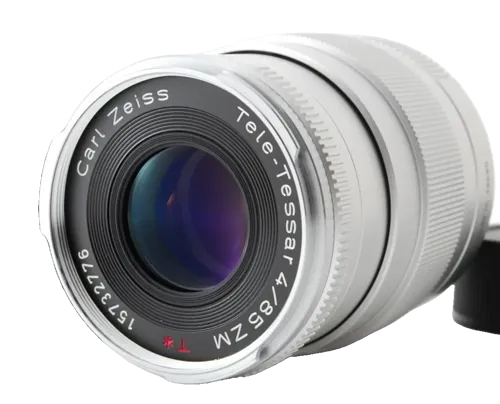
Carl Zeiss Tele-Tessar T* 85mm f/4 ZM, a compact manual-focus short telephoto in Leica M mount prized as a light, sharp travel and landscape lens.

Voigtländer's Super Wide-Heliar 15mm f/4.5 III is a rangefinder-coupled M-mount ultra-wide whose redesigned optics tamed earlier digital corner problems.
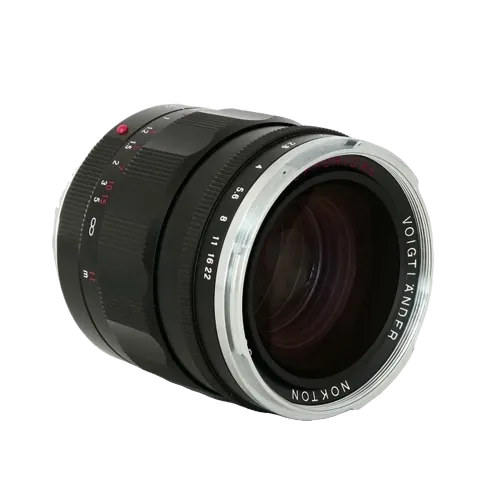
The Voigtländer Nokton 35mm f/1.2 II is a fast aspherical M-mount rangefinder lens, long valued as the quickest 35mm option for the Leica M system.
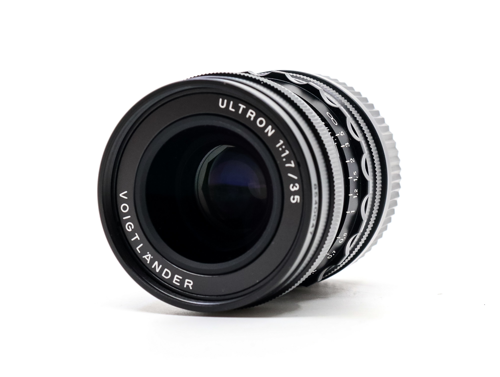
The Voigtländer Ultron 35mm f/1.7 II is a compact, fast Leica M-mount lens praised by collectors for sharpness, smooth bokeh, and rangefinder coupling.
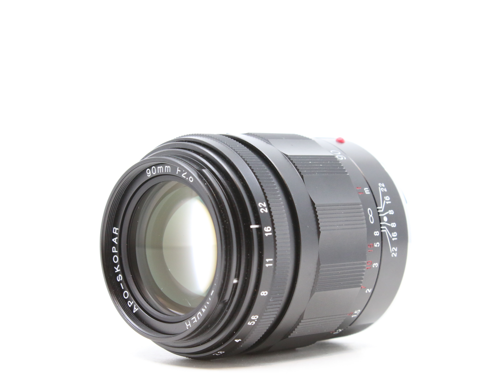
The Voigtländer APO-Skopar 90mm f/2.8 is a compact apochromatic short telephoto in Leica M mount, prized by rangefinder users for sharpness in a 250g body.
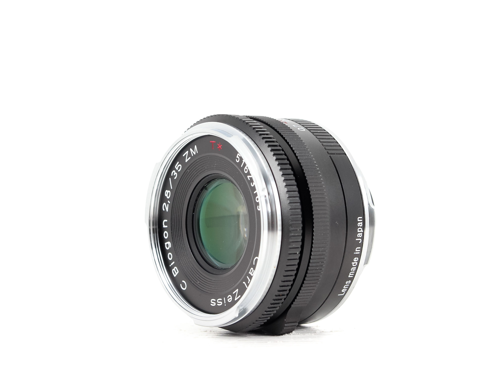
The Carl Zeiss C Biogon T* 35mm f/2.8 ZM is a compact, highly corrected M-mount wide-angle prized by collectors for sharpness and small size.
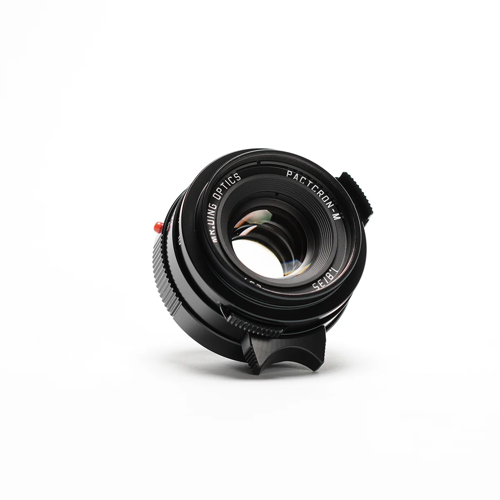
The Mr. Ding Optics 35mm f/1.8 Pactcron is a compact M-mount prime featuring a 7-element Double Gauss design, based on the Summicron 35mm version 4 (King of Bokeh). It prioritizes a "classic" rendering style, utilizing lanthanide glass and nano-coatings rather than aspherical elements. Constructed from brass with a black paint finish, the lens includes a focus tab and 39mm filter thread. Following early production feedback, the manufacturer refined its assembly and quality control processes to improve mechanical consistency and overall build standards.
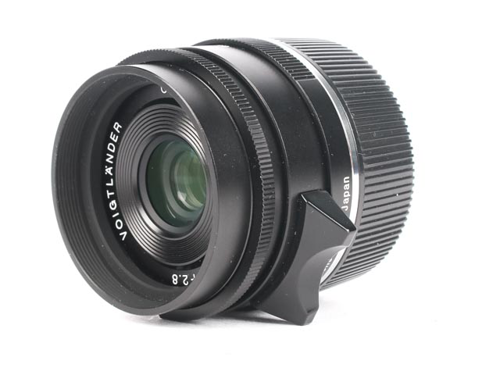
Voigtländer Color-Skopar 28mm f/2.8 Type II is a compact aspherical M-mount rangefinder lens, the modern aluminum-barrel variant in Cosina's trio.
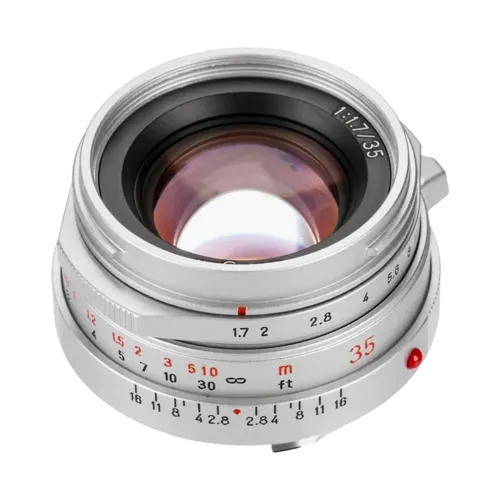
Seagull 35mm f/1.7 is a compact M-mount 35mm lens with a fast f/1.7 aperture and a 10-blade diaphragm, of interest to modern rangefinder users.
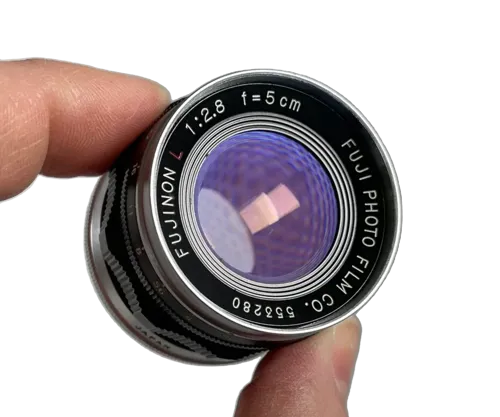
Fujinon-L 5cm f/2.8 LTM is a rare Fuji Leica screw-mount standard lens made for Leotax rangefinder collectors.
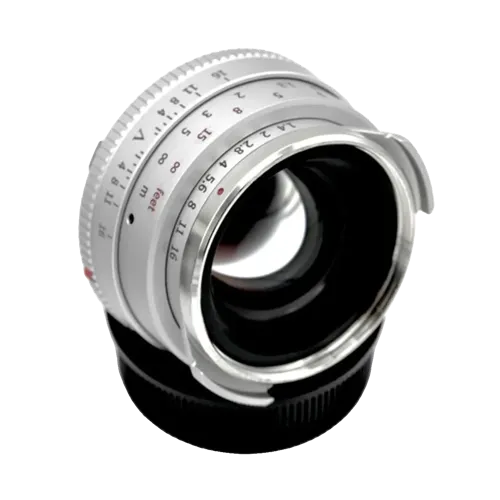
The Artralab Similar 35mm f/1.4 is a compact silver Leica M-mount lens, a fast 35mm wide-angle of recent manufacture aimed at mirrorless and adapter users.
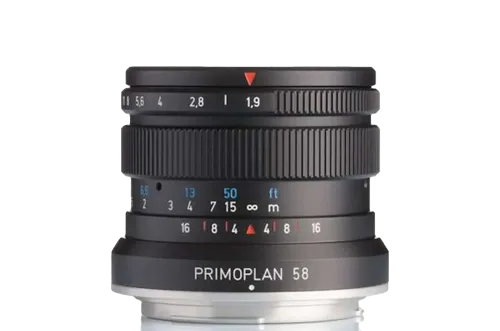
The Meyer-Optik Görlitz Primoplan 58mm f/1.9 II is a manual M-mount lens reviving a 1930s design, prized for its swirly bubble bokeh.
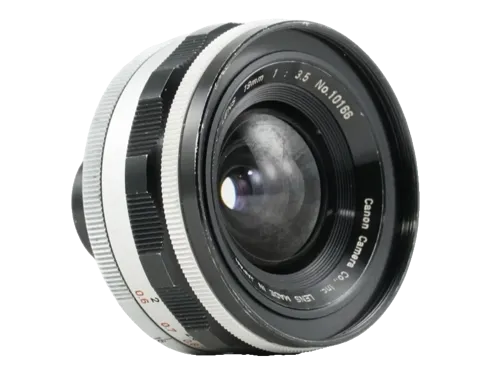
The Canon 19mm f/3.5 is a rangefinder-coupled LTM super-wide pancake from 1964, widely collected as Canon's widest and last screw-mount lens.
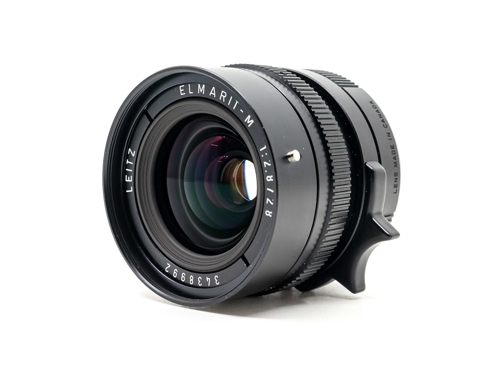
The Leica Elmarit-M 28mm f/2.8 III is a Walter Mandler M-mount wide-angle, the last pre-aspherical 28 Elmarit and a collector favorite for its rendering.
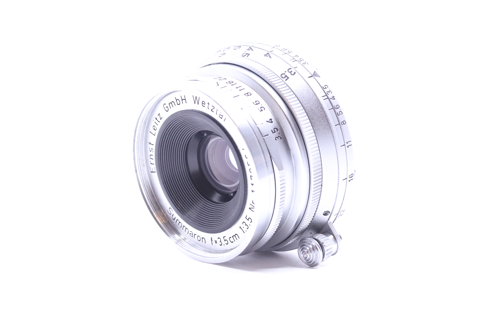
The Leica Summaron 35mm f/3.5 with OVU goggles (SOONC-M, 11105) is an M-mount classic prized by M3 users for its compact build and vintage character.
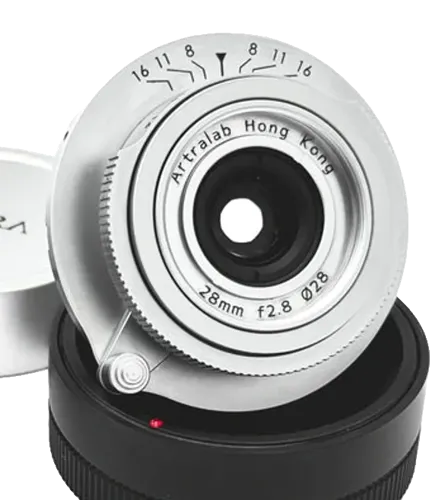
The ArtraLab 28mm f/2.8 Φ28 is an ultra-thin brass Leica M lens with nine elements, 0.3m close focus, ten blades and a 28mm filter thread.
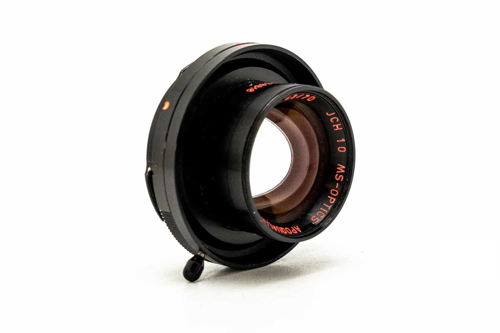
The MS-Optics Apoqualia 35mm f/1.3 II Slim is a hand-built Leica M-mount lens, a fast, soft-by-design collector's piece from Japan's Miyazaki Optical.
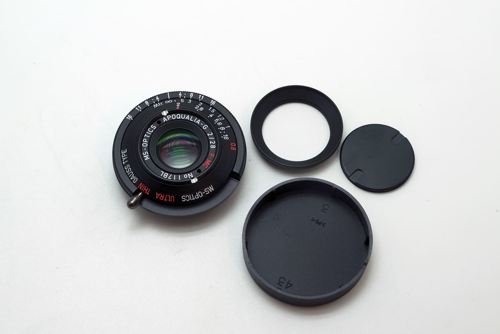
The MS-Optics Apoqualia 28mm f/2 is a hand-built ultra-compact Leica M-mount wide-angle prized by collectors for its tiny size and unusual rendering.
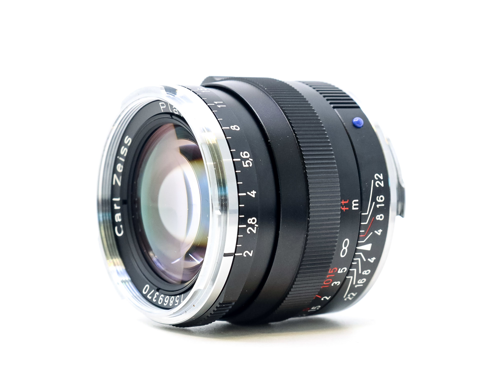
The Carl Zeiss Planar T* 50mm f/2 ZM is a Cosina-built six-element double-Gauss standard lens in Leica M mount, prized for sharpness and flare control.
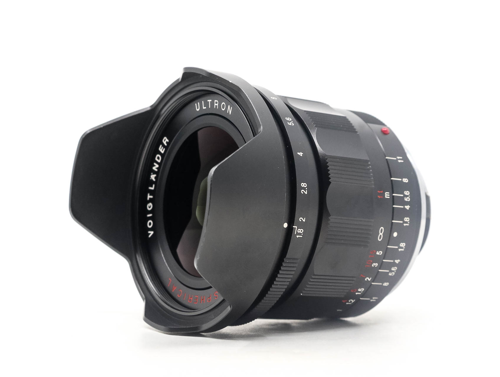
The Voigtländer Ultron 21mm f/1.8 Aspherical is an ultrafast Leica M-mount ultrawide from Cosina, valued by collectors as an affordable rangefinder-coupled alternative.
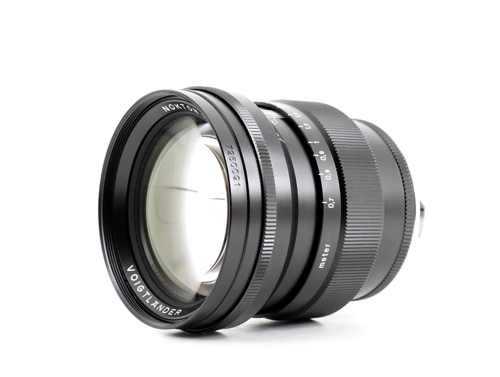
The Voigtländer Nokton 75mm f/1.5 Aspherical is a fast, compact M-mount short telephoto from Cosina's Vintage Line, prized by Leica rangefinder shooters.
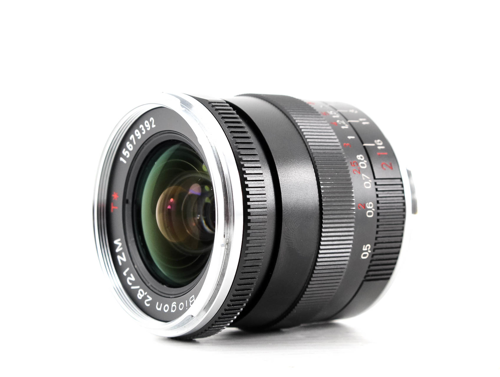
The Carl Zeiss Biogon T* 21mm f/2.8 ZM is a Cosina-built super-wide for Leica M mount, prized by rangefinder users for sharpness and low distortion.
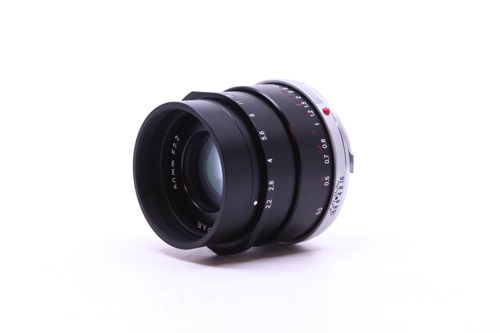
The Voigtländer Color-Skopar 50mm f/2.2 is an ultra-light aluminum M-mount rangefinder lens, a compact modern 50 that draws growing collector interest.
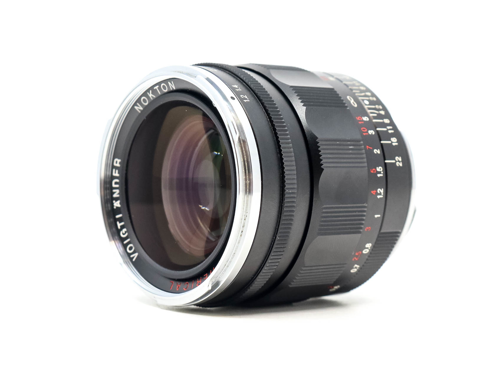
The Voigtländer Nokton 35mm f/1.2 I is the original f/1.2 aspherical M-mount 35, prized by collectors as the fastest production rangefinder 35mm of its day.
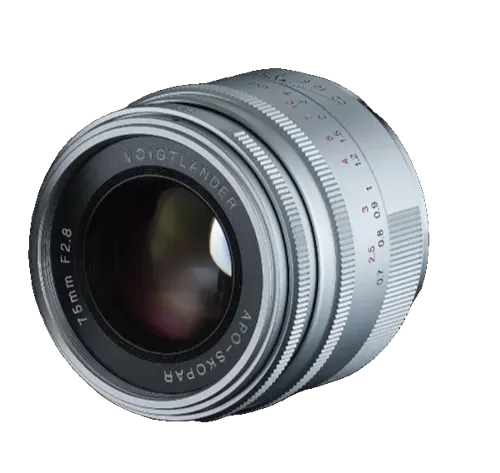
An APO-SKOPAR 75mm f/2.8 VM, a compact 191g M-mount lens with APO correction and 0.7m close focus.
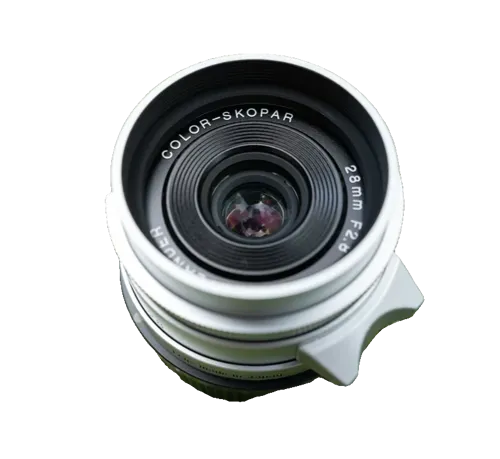
Voigtländer Color-Skopar 28mm f/2.8 LTM is a 2023 screw-mount wide-angle, the lightest L39 version of Cosina's compact rangefinder-coupled 28.
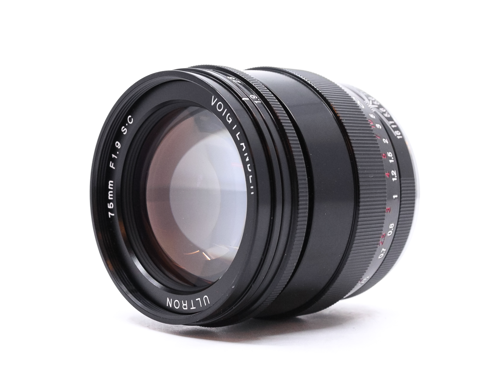
The Voigtländer Ultron 75mm f/1.9 SC/MC is a compact, close-focusing short-telephoto lens for Leica M-mount, offered in single- and multi-coated versions.
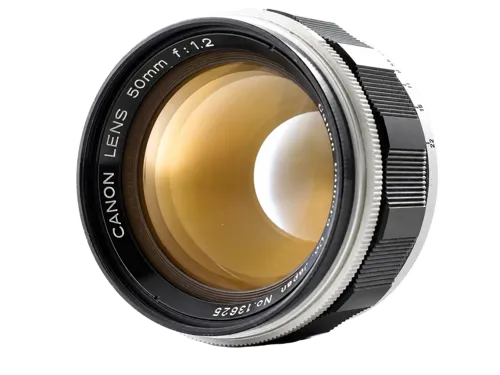
The Canon 50mm f/1.2 is a fast LTM rangefinder lens from the 1950s, prized by collectors for its compact build and distinctive vintage rendering.
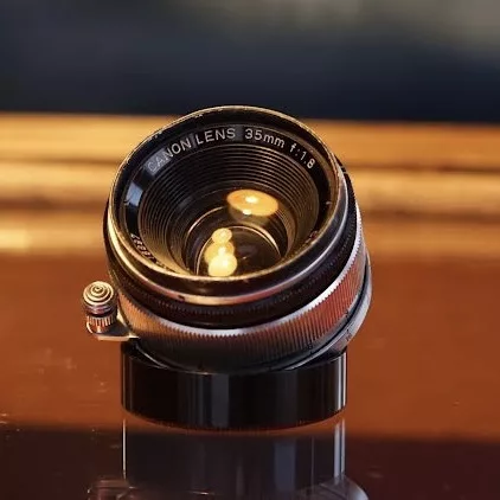
The Canon 35mm f/1.8 is a fast LTM screw-mount rangefinder wide-angle from the late 1950s, valued by collectors for its compact build and vintage rendering.
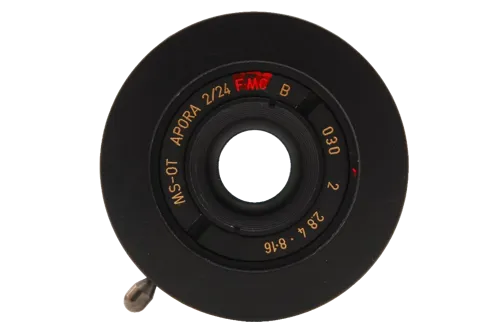
The MS-Optics Aporia 24mm f/2 is a Leica M-mount pancake wide-angle, prized by collectors as one of the smallest, lightest fast full-frame lenses ever built.
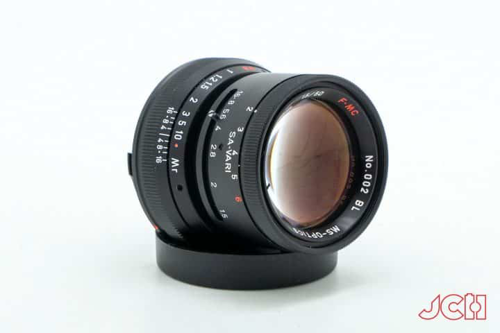
The MS-Optics Varioprasma 50mm f/1.5 is a Leica M-mount lens by Miyazaki that revives the Kino-Plasmat with an adjustable spherical-aberration ring.
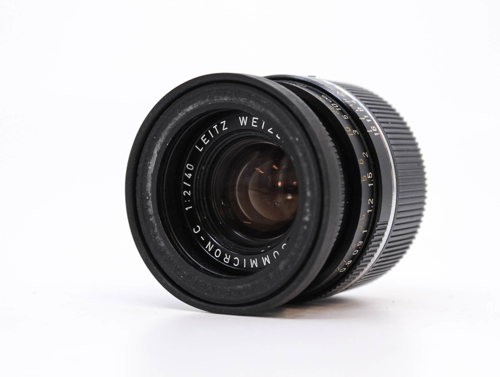
The Leica Summicron-C 40mm f/2 is a compact M-mount rangefinder lens built for the Leica CL, prized by collectors as an affordable Summicron sleeper.
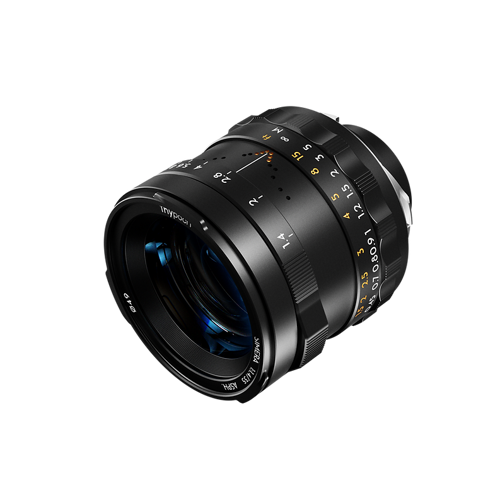
The Thypoch Simera 35mm f/1.4 is a manual-focus M-mount prime with a 14-blade aperture and red dot depth-of-field scale, a budget alternative to Leica's 35mm glass.
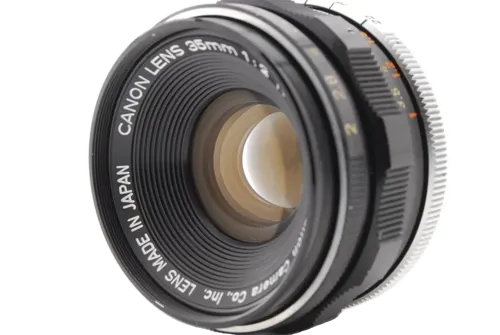
The Canon 35mm f/2 is a compact LTM rangefinder lens from 1962, nicknamed the "Japanese Summicron" and prized as the last of Canon's 35mm screw-mount line.
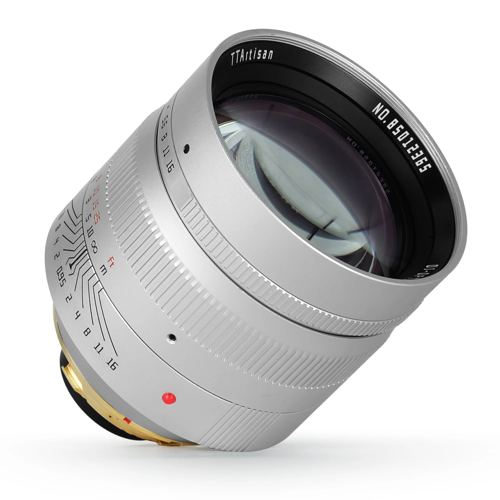
The TTArtisan 50mm f/0.95 ASPH is an ultra-fast manual M-mount lens, a budget Noctilux alternative drawing collector and Leica-user interest.
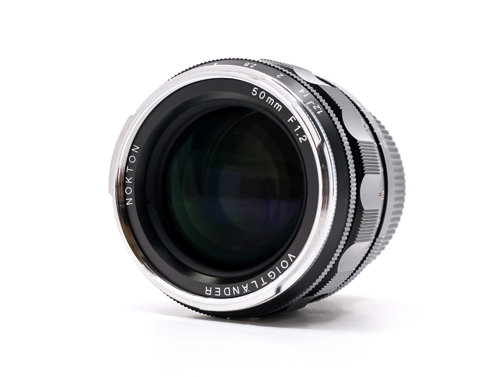
The Voigtländer Nokton 50mm f/1.2 is a compact, fast aspherical M-mount standard lens that gives rangefinder users an affordable alternative to Leica's fast 50s.
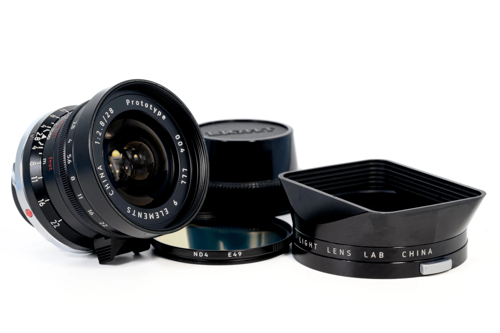
The Light Lens Lab 28mm f/2.8 "Nine Element" is an M-mount homage to Leica's rare first 28mm Elmarit, a collector-favorite recreation updated for digital.
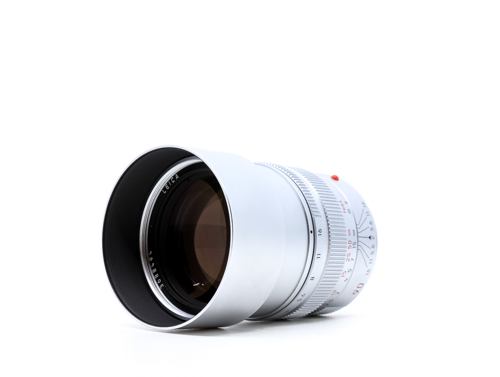
The Leica Summicron-M 90mm f/2 II Type 2 is a Canadian-made M-mount portrait lens (11136/11137), the E55 pre-ASPH prized for its classic rendering.
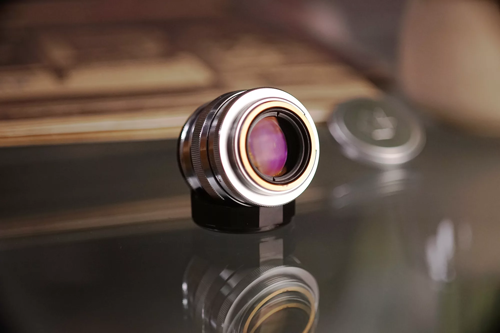
The Lomography New Jupiter 3+ 50mm f/1.5 Art is a modern LTM Sonnar revival, prized by rangefinder collectors for vintage rendering with current build quality.
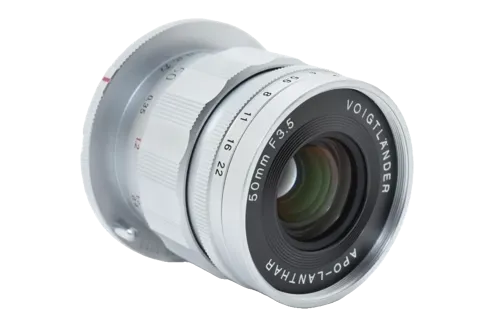
The Voigtländer APO-LANTHAR 50mm f/3.5 Type II is a compact apochromatic standard lens in Leica M mount, prized for near-perfect optics in a classic body.
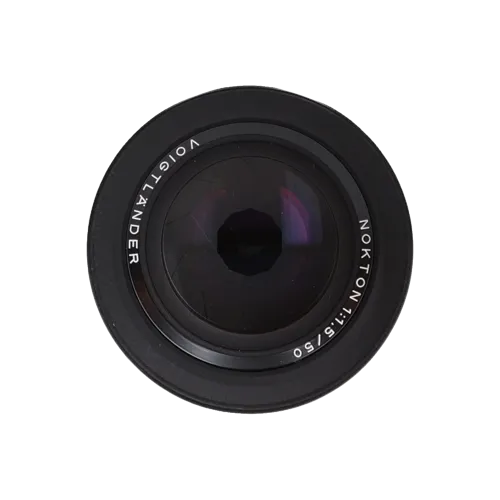
Voigtländer's Nokton 50mm f/1.5 I is a compact aspherical M-mount rangefinder lens, a fast 50mm standard prime favored for its modern optics and small size.
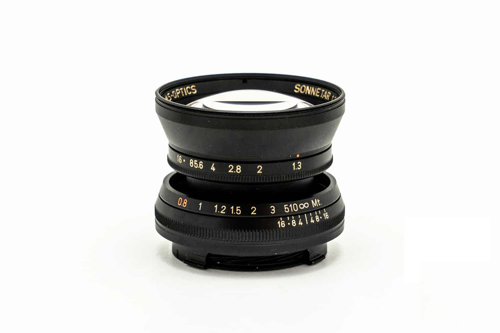
MS-Optics Sonnetar 50mm f/1.3 Slim, a compact Sonnar-type Leica M lens by Miyazaki, prized by collectors for vintage glow and tiny boutique build.
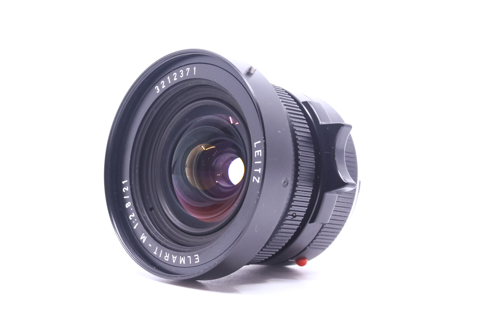
The Leica Elmarit-M 21mm f/2.8 (11134) is a pre-aspherical M-mount ultra-wide prime made 1980 to 1997, prized by Leica rangefinder collectors.
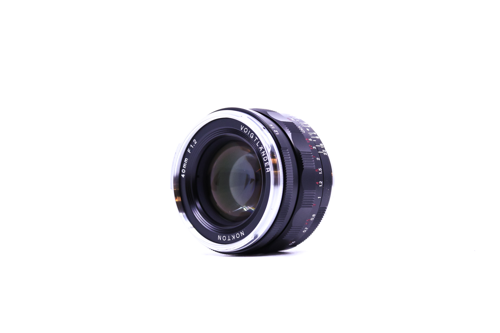
The Voigtländer Nokton 40mm f/1.2 Aspherical is a compact, ultra-fast manual-focus normal-wide prime in Leica M mount, prized for its rendering.
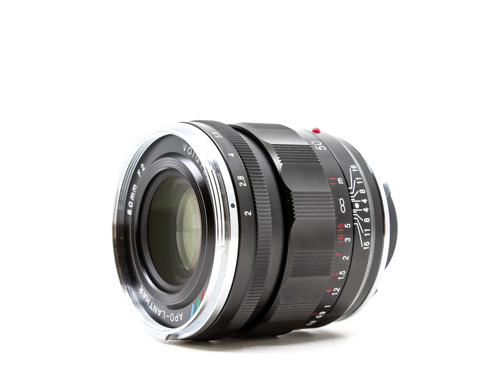
The Voigtländer APO-LANTHAR 50mm f/2 Aspherical VM is a modern apochromatic standard prime in Leica M mount prized for exceptional sharpness and color correction.
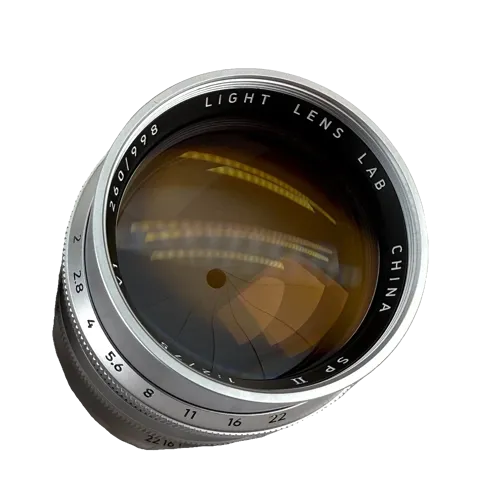
The Light Lens Lab 75mm f/2 "SPII" is a Leica M-mount mid-telephoto recreating Cooke Speed Panchro II rendering, drawing strong collector interest among modern M lenses.
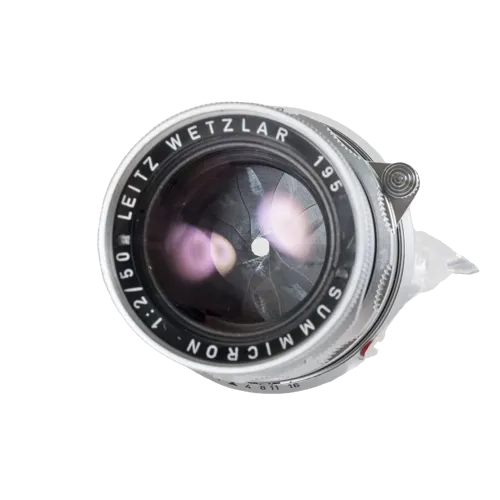
The chrome Leica Summicron 50mm f/2 II Rigid is a collectible M-mount fifty, prized for its compact build, classic optics, and Swiss-watch focusing feel.
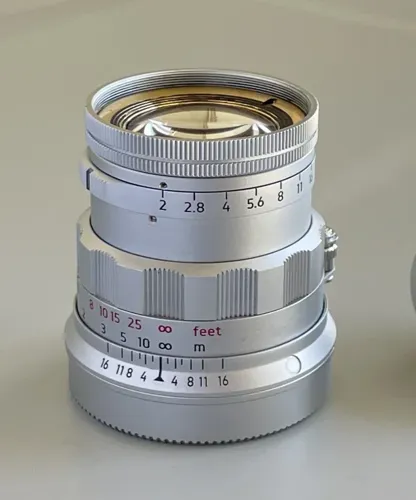
The Light Lens Lab 50mm f/2 "Rigid SP II" is a Leica M-mount lens reviving a Cooke Speed Panchro cine design in a classic Summicron Rigid body.
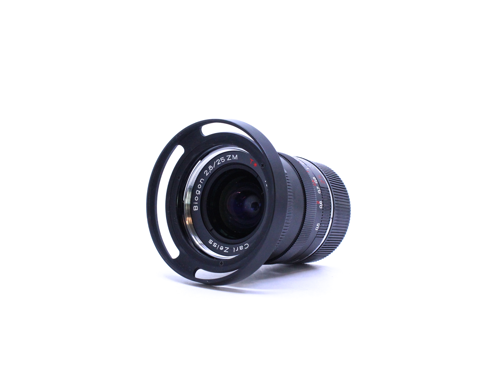
The Carl Zeiss Biogon T* 25mm f/2.8 ZM is a moderate wide-angle Leica M-mount lens prized for near record resolution and distortion-free symmetrical drawing.
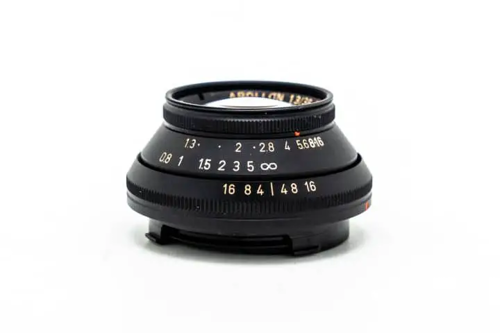
The MS-Optics Apollon 36mm f/1.3 is an ultra-light, hand-built fast Leica M-mount prime by Sadayasu Miyazaki, prized by collectors of boutique lenses.
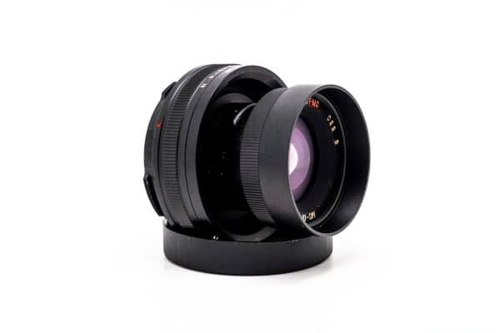
The MS-Optics Xenomax 50mm f/3.5 is a Leica M-mount standard lens by Miyazaki Sadayasu, a compact Xenotar-type prized by collectors of his work.
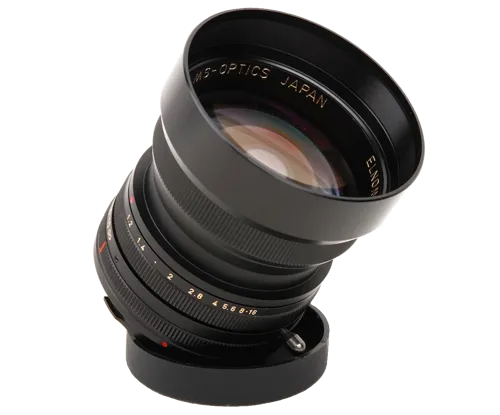
The MS-Optics Elnomaxim 55mm f/1.2 is a tiny hand-built Leica M-mount lens by Sadayasu Miyazaki, a Sonnar-inspired four-element design prized by collectors.
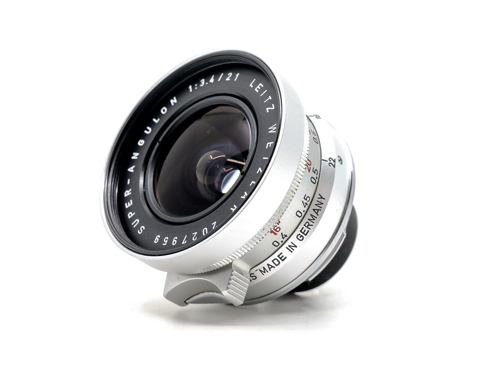
Leica Super-Angulon-M 21mm f/3.4 is a Schneider-built symmetrical wide-angle M-mount rangefinder lens from 1963, prized by collectors for its compact design.
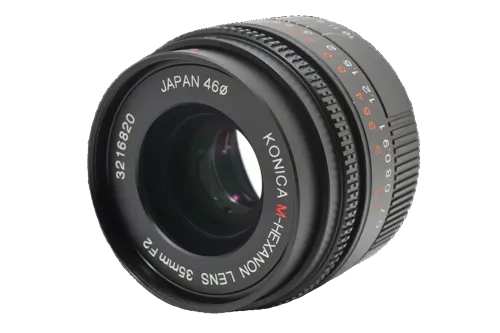
Konica M-Hexanon 35mm f/2 is a Leica M-mount wide-normal lens built for the Hexar RF, a sleeper among collectors of non-Leica M glass.
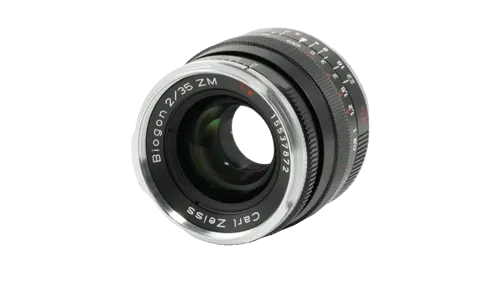
The Carl Zeiss Biogon T* 35mm f/2 ZM is an M-mount rangefinder lens prized for its near-symmetrical optics, low distortion, and neutral rendering.
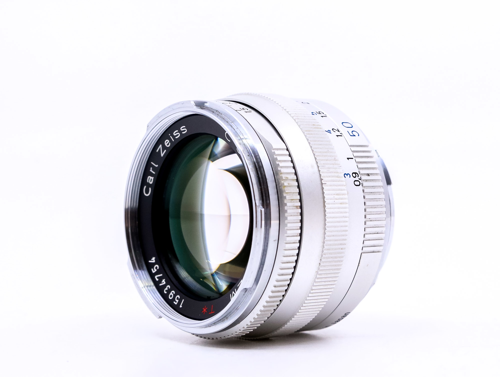
The Zeiss C Sonnar T* 50mm f/1.5 ZM is a fast standard prime lens manufactured by Cosina in Japan under license from Carl Zeiss AG. Part of the Zeiss ZM family for the Leica M-mount, it is distinguished by its adherence to a historic optical formula from the 1930s rather than modern computer-optimized designs. The "C" in its designation stands for both "Classic" and "Compact," referencing its vintage rendering characteristics and small physical form factor. It is noted for its high contrast, distinct bokeh, and a susceptibility to focus shift, a byproduct of its deliberate optical residue.
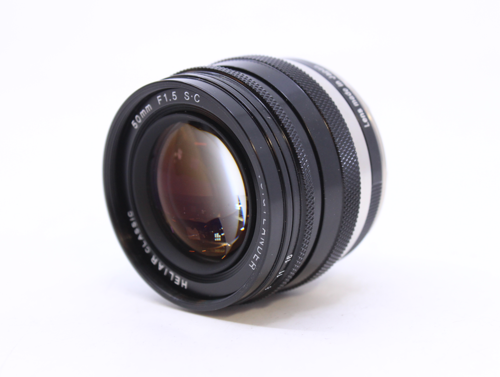
The Voigtländer Heliar Classic 50mm f/1.5 is an M-mount normal lens that revives the Heliar formula for a soft, vintage rendering wide open.
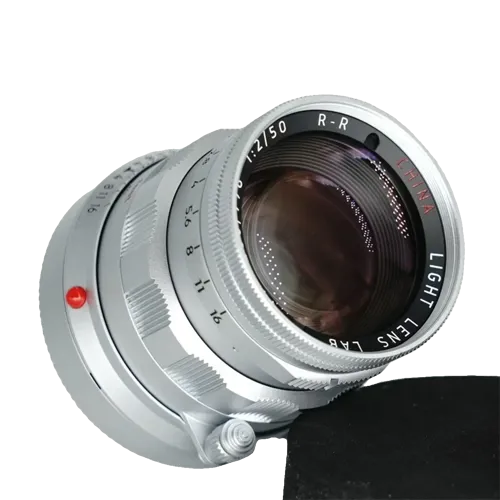
The Light Lens Lab 50mm f/2 "Rigid" is a chrome M-mount homage to Leica's 1950s rigid Summicron, prized by collectors for faithful build at a fraction of the cost.
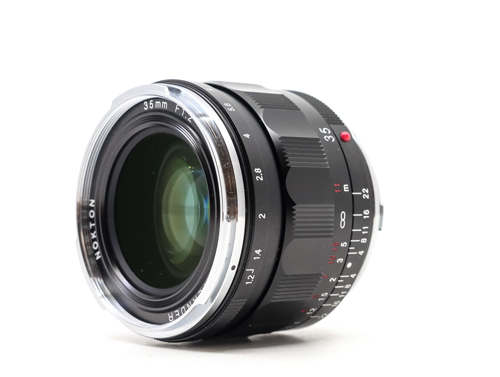
The Voigtländer Nokton 35mm f/1.2 III is a compact, all-metal M-mount manual lens, the smallest and lightest of Cosina's fast 35mm trio.
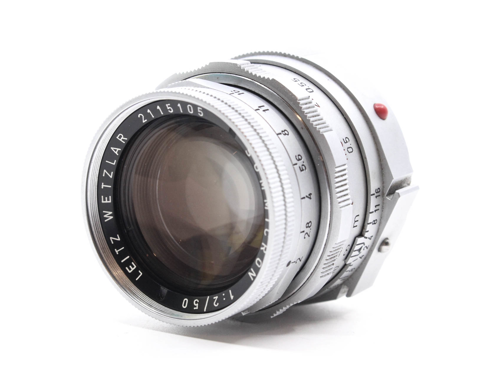
The Leica Summicron 50mm f/2 II Dual Range is a chrome M-mount near-focusing lens (1956 to 1968), prized by collectors for its build and rendering.
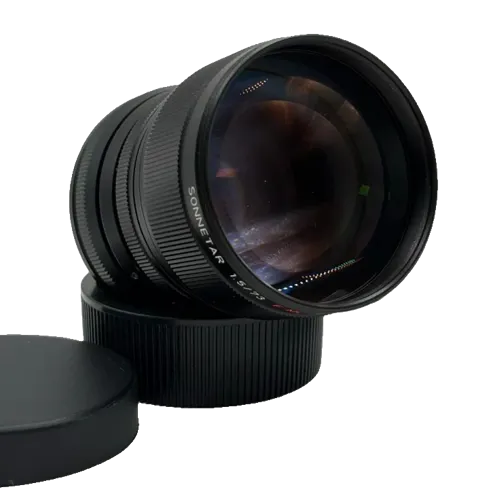
The MS-Optics Sonnetar 73mm f/1.5 is a handmade Leica M-mount portrait lens, prized by collectors for its unusual focal length and a compact Sonnar design.
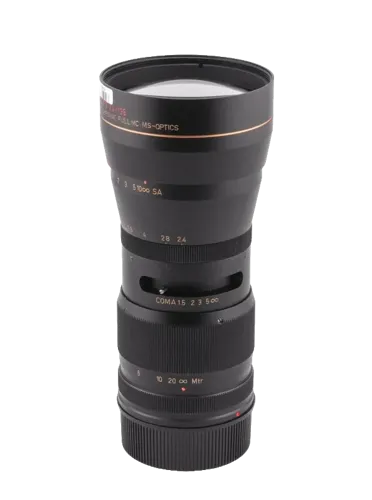
The MS-Optics Aporis 135mm f/2.4 is a compact fluorite super-apochromat for Leica M mount, a collector favorite from one-man maker Sadayasu Miyazaki.
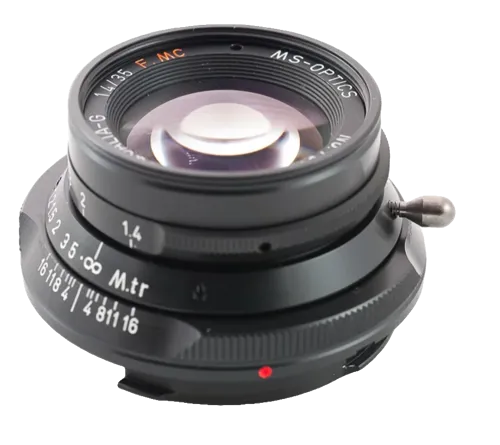
The MS-Optics Apoqualia 35mm f/1.4 is a tiny hand-built Leica M double Gauss by Miyazaki Sadayasu, a sought-after collector lens.
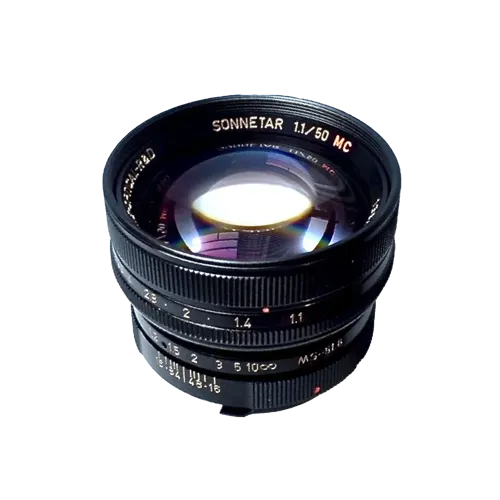
The MS-Optics Sonnetar 50mm f/1.1 is a handmade Sonnar-derived M and LTM mount lens by Sadayasu Miyazaki, prized by collectors for its tiny size and classic glow.
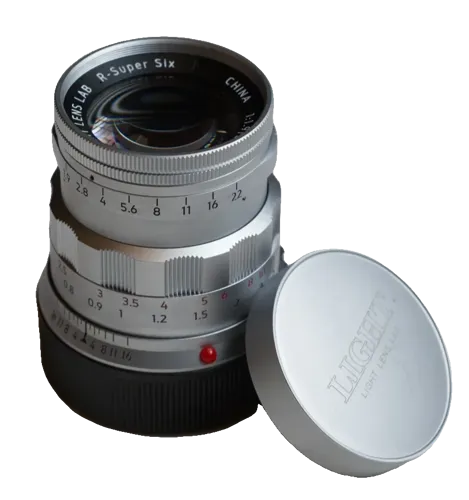
The Light Lens Lab 50mm f/1.9 "Rigid-ZS6" is a compact six-element M-mount rangefinder lens, a recent collector-oriented release from the Chinese maker.
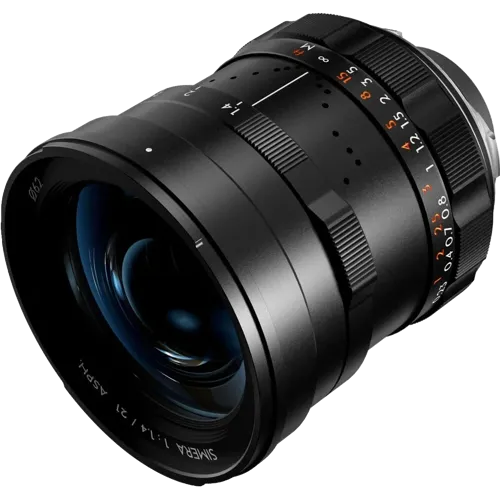
The Thypoch Simera 21mm f/1.4 ASPH. is a fast wide-angle Leica M-mount lens, a 2025 rangefinder option closely echoing Voigtländer's 21mm Nokton.
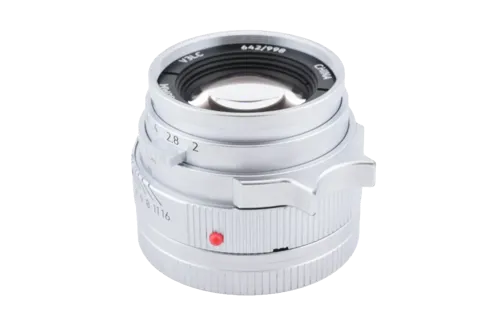
The Light Lens Lab 50mm f/2 ELCAN is an LTM-mount replica of Leica's rare military KE-7A lens, prized by collectors for its tiny size and distinct rendering.
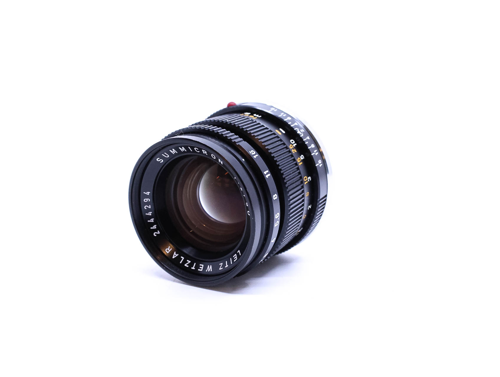
The Leica Summicron 50mm f/2 III is a six-element M-mount rangefinder lens from 1969, the lightweight black "black sheep" version collectors prize.
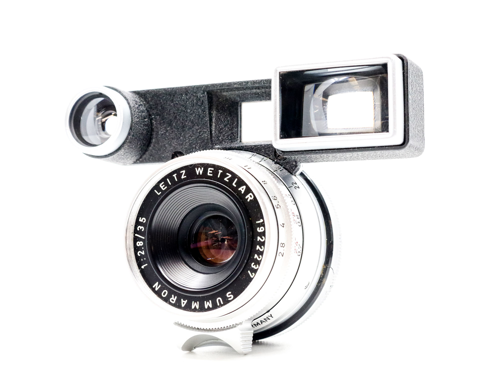
The Leica Summaron 35mm f/2.8 (11106) is the M3 goggled SIMWO version, a compact six-element wide-angle rangefinder lens collectors prize for classic rendering.
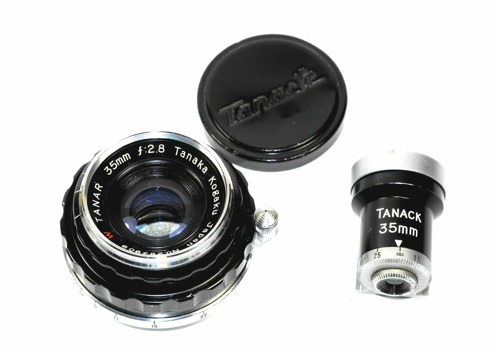
The Tanaka Kogaku W Tanar 35mm f/2.8 is a six-element LTM wide-angle lens for Tanack rangefinders, a scarce 1950s Japanese collectible in Leica screw mount.
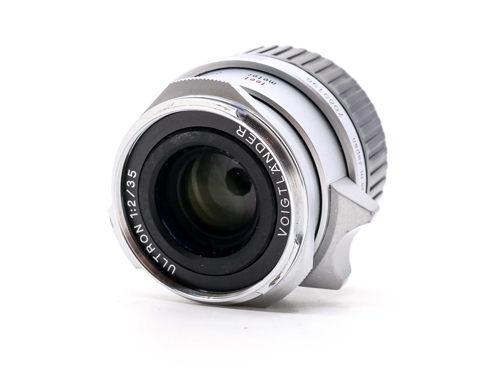
Voigtländer's Ultron 35mm f/2 II ASPH is a compact M-mount rangefinder lens whose Type II styling revives the look of a classic Leica steel-rim hood.
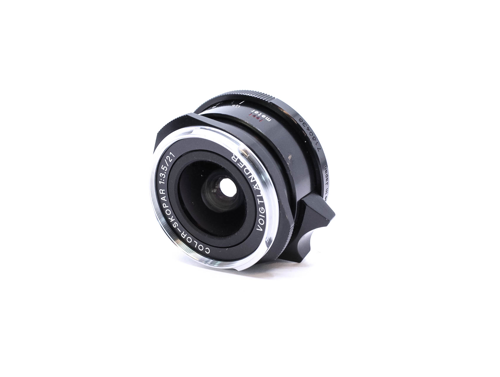
The Voigtländer Color-Skopar 21mm f/3.5 II is a compact aspherical ultra-wide M-mount lens, the 2021 Vintage Line restyle favored by Leica rangefinder users.
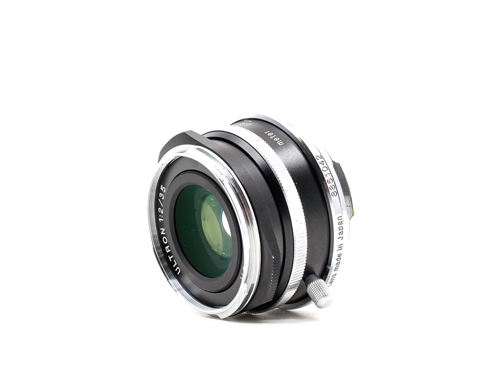
The Voigtländer Ultron 35mm f/2 I ASPH. is a compact M-mount rangefinder lens with a classic focusing lever, prized as an affordable modern 35mm Summicron alternative.
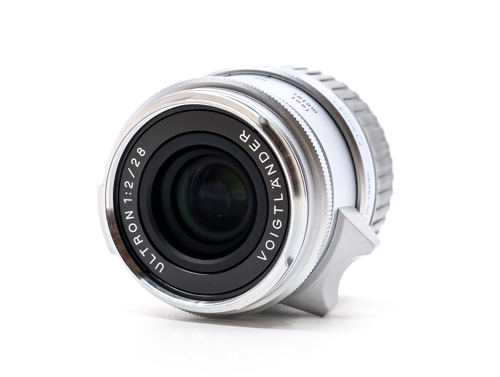
The Voigtländer Ultron Vintage 28mm f/2 ASPH Type II is a compact M-mount rangefinder lens, built in brass with classic styling and modern optics.
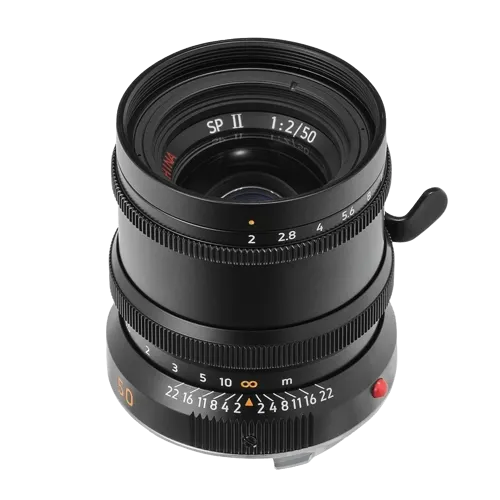
The Light Lens Lab 50mm f/2 "SP II" is an M-mount rangefinder lens that recreates the Cooke Speed Panchro cine look at a fraction of the original's cost.
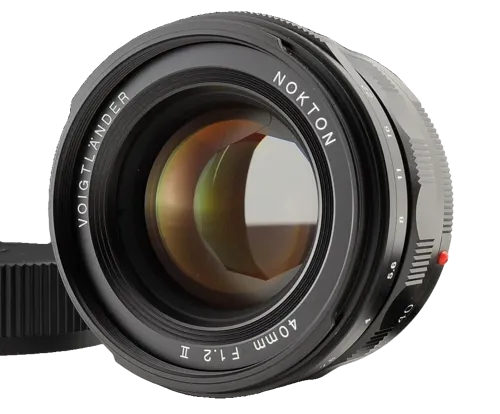
The Voigtländer Nokton 40mm f/1.2 ASPH. II VM is a fast, compact M-mount rangefinder lens, a 2025 refinement of Cosina's near-normal aspherical Nokton.
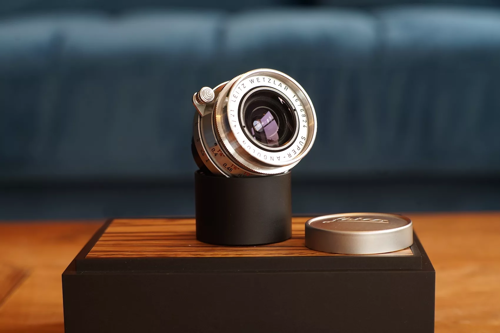
The Leica Super-Angulon-M 21mm f/4, a Schneider-derived ultra-wide M-mount rangefinder lens from 1958, prized by collectors for its symmetrical optical design.
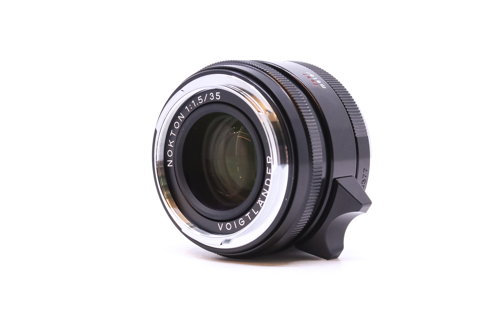
The Voigtländer Nokton 35mm f/1.5 Aspherical VM Type 2 is a compact brass-bodied M-mount lens prized for vintage rendering and Leica Summilux-rivaling value.
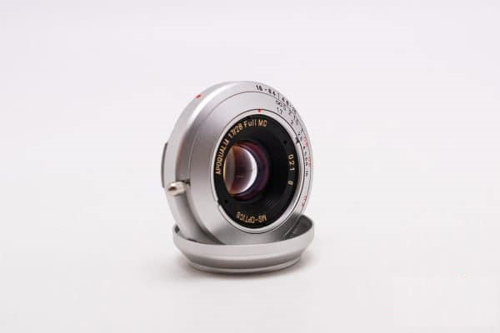
The MS-Optics Apoqualia 28mm f/1.7 is a featherweight 54g Leica M-mount wide-angle, hand-built by the Miyazaki family and prized by compact-kit collectors.
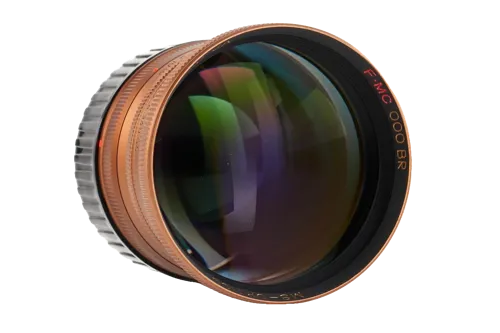
The MS-Optics ISM 50mm f/1 is a handmade Leica M lens that packs a full-stop f/1 aperture into one of the smallest, lightest fast-fifty bodies made.
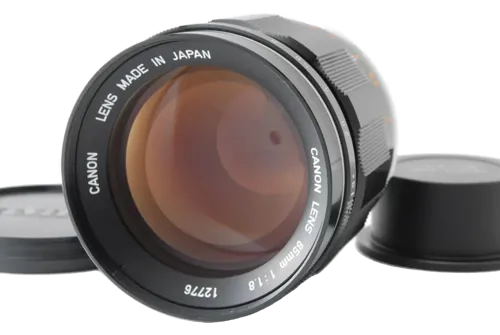
The Canon 85mm f/1.8 is a fast LTM (M39) rangefinder portrait lens made from 1961 to 1975, prized by collectors for its rendering and scarcity.
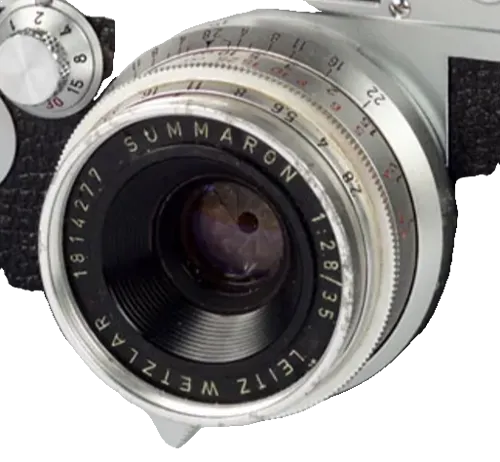
The Leica Summaron 35mm f/2.8 SIMOO is the screw-mount (LTM) version of Leica's classic six-element wide-angle, prized as an affordable vintage M39 lens.
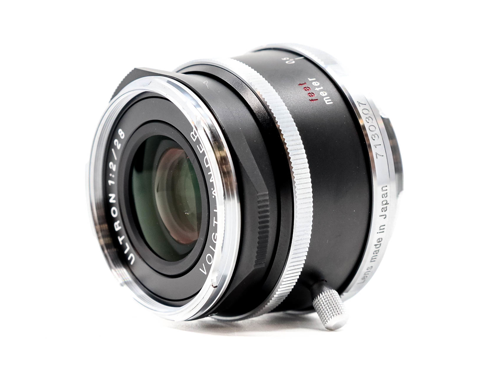
The Voigtländer Ultron 28mm f/2 V2 Type I is a compact Leica M-mount wide-angle whose tiny focus lever and 190 g body draw rangefinder collectors.
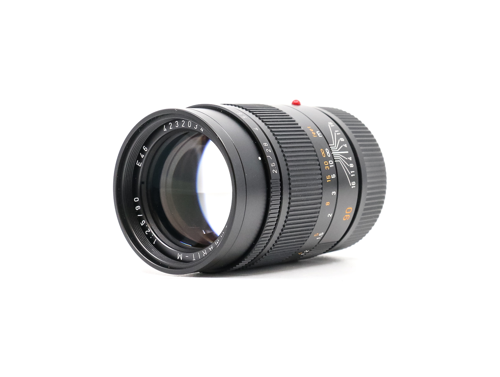
The Leica Summarit-M 90mm f/2.5 is a compact, affordable M-mount short telephoto from the 2007 Summarit-M family, valued by collectors for its image quality.
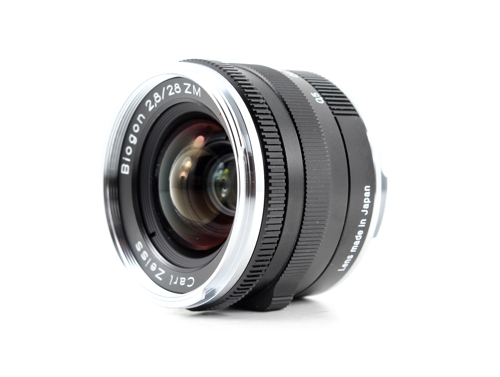
The Carl Zeiss Biogon T* 28mm f/2.8 ZM is a compact M-mount wide-angle prized by rangefinder users for crisp, high-contrast results at a fraction of Leica prices.
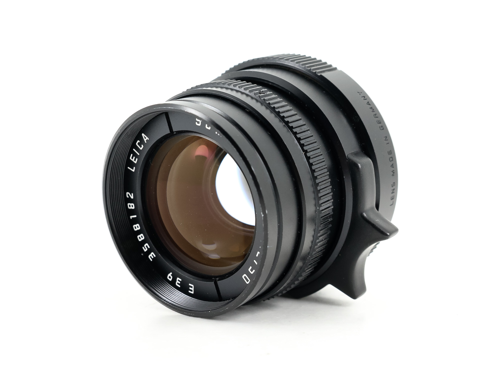
The Leica Summicron 50mm f/2 IV is a six-element M-mount standard lens designed by Walter Mandler's team, prized by collectors for its compact form and rendering.
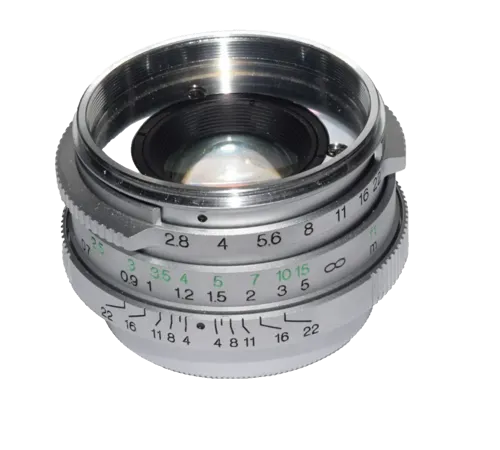
The Rollei HFT Sonnar 40mm f/2.8 is a compact LTM screw-mount Sonnar-type rangefinder lens from 2002, sold with the Cosina-built Rollei 35 RF.
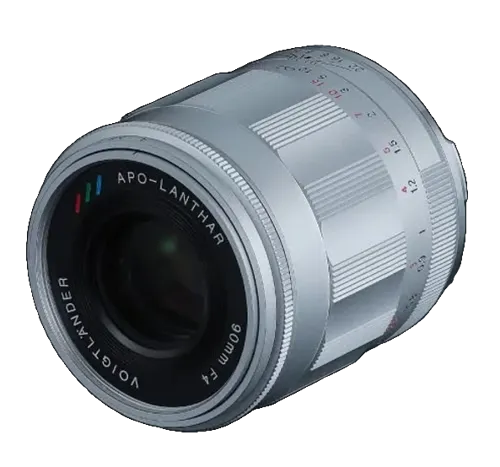
The Voigtländer APO-Lanthar 90mm f/4 Close Focus is a compact apochromatic VM lens with 0.5m close focus and eight elements in six groups.
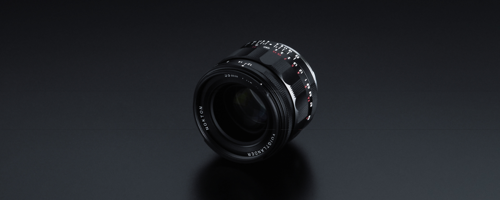
The Voigtländer Nokton 35mm f/1.2 ASPH. IV is a fast, compact manual 35mm M-mount prime, the fourth generation of Cosina's high-speed 35.
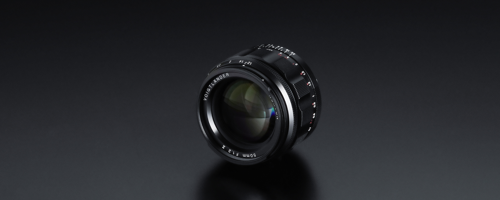
Voigtländer's Nokton 50mm f/1.2 ASPH. II VM is a compact, fast Leica M-mount standard lens from 2025, redesigned for both rangefinders and mirrorless adapting.
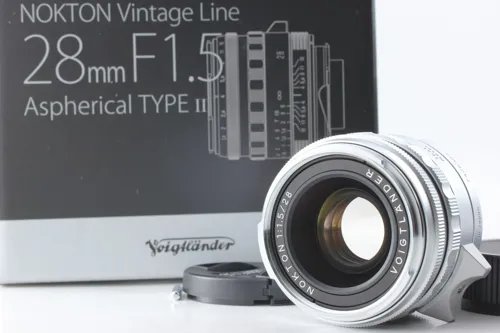
The Voigtländer Nokton 28mm f/1.5 Aspherical is Cosina's fastest 28mm M-mount rangefinder lens, a compact Vintage Line wide-angle prized by Leica shooters.
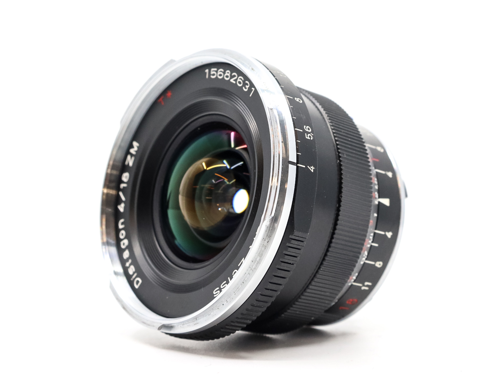
The Carl Zeiss Distagon T* 18mm f/4 ZM is a wide retrofocus M-mount prime, one of the few rangefinder-coupled 18mm lenses and now a discontinued collectible.
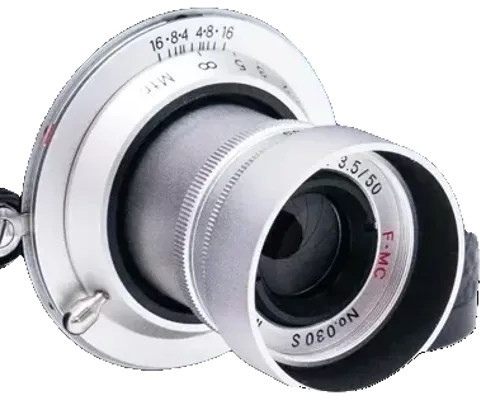
The MS-Optics LUMITAR 3.5/50 is a featherweight 50mm f/3.5 collapsible Leica M lens reviving Max Berek's ELMAX design for modern rangefinder collectors.
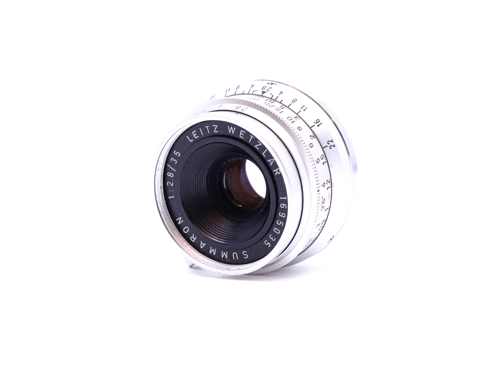
The Leica Summaron 35mm f/2.8 SIMOM is a compact M-mount rangefinder wide-angle, an affordable classic 35mm that collectors and users still favor today.
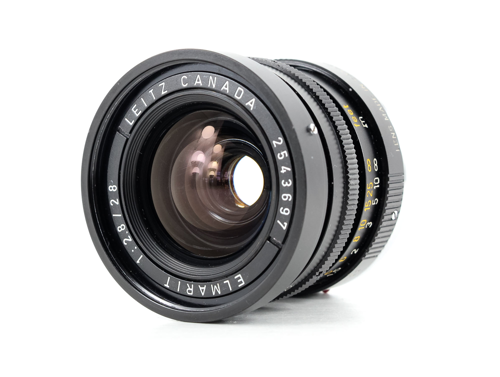
The Leica Elmarit 28mm f/2.8 II (Transitional) is a Canada-built M-mount wide-angle whose redesigned rear cleared the M5 and CL, prized by collectors.
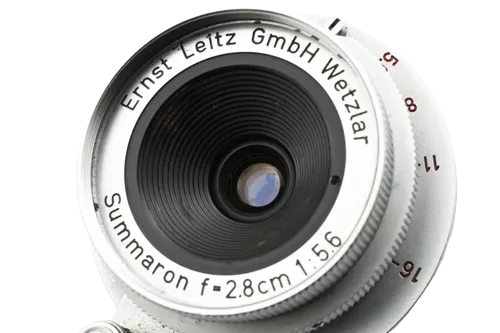
The Leica Summaron 28mm f/5.6 is a compact LTM wide-angle from 1955, prized by collectors for its tiny size, scarcity, and surprisingly modern rendering.
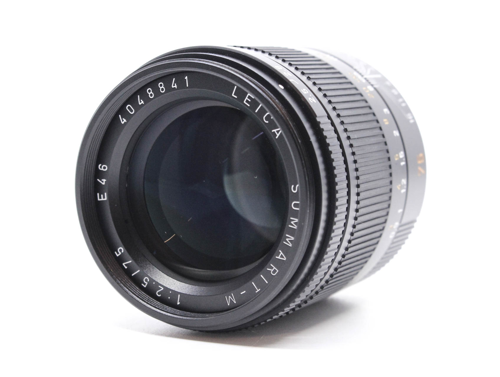
The Leica Summarit-M 75mm f/2.5 is a compact short-telephoto M-mount lens from Leica's value-oriented Summarit line, valued by collectors as an affordable classic.
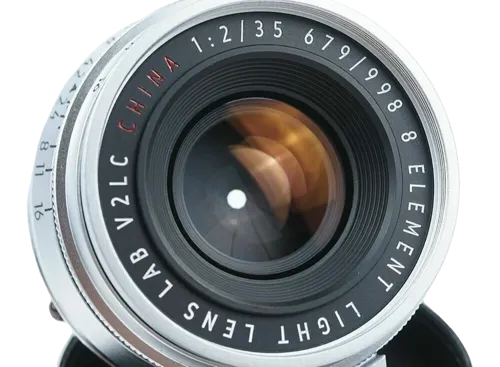
The Light Lens Lab 35mm f/2 Eight Element is a brass M-mount replica of Leica's 1958 Summicron, prized by collectors wanting that classic look affordably.
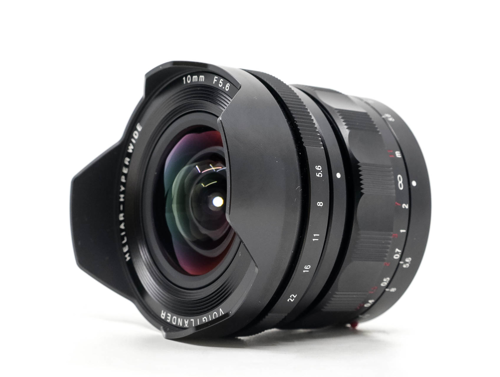
The Voigtländer Hyper Wide-Heliar 10mm f/5.6 is a rectilinear ultra-wide M-mount prime, prized by collectors as the widest non-fisheye full-frame lens.
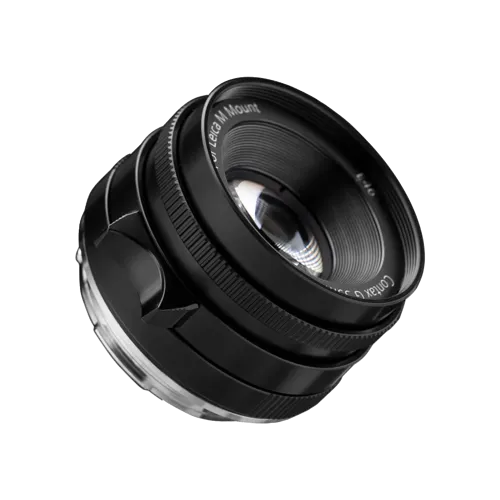
The Funleader Contax Planar 35mm f/2 Conversion V2.0 is the mechanically redesigned successor to Funleader's original Contax G35 Leica M conversion. It retains the original Carl Zeiss 7-element, 5-group Planar optics while introducing revised focusing mechanics, improved damping and a redesigned Leica M barrel.
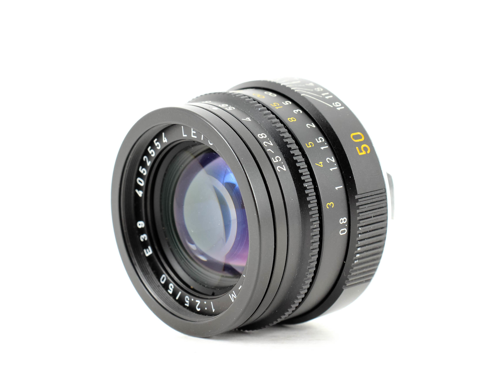
The Leica Summarit-M 50mm f/2.5 is a compact M-mount double-Gauss standard lens from Leica's 2007 affordable Summarit line, valued for neutral rendering.
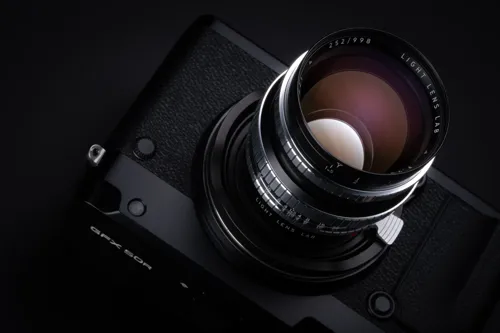
Light Lens Lab announces the 75mm f/1.5 Z21 for Leica M-mount, a fast portrait lens now $949.05 with code LEICALENSLIST
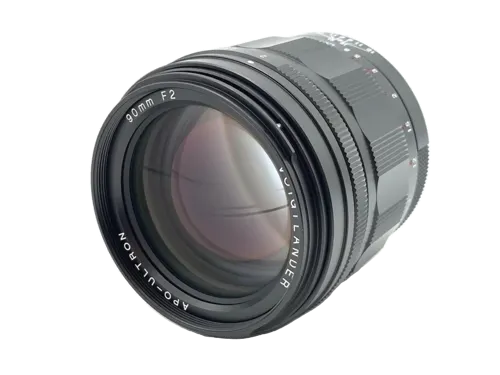
Voigtländer APO-Ultron 90mm f/2 VM is a compact apochromatic Leica M telephoto lens with clinical rendering and good color reproduction.
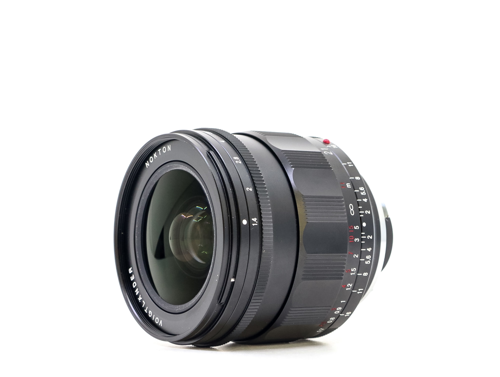
The Voigtländer Nokton 21mm f/1.4 ASPH. is a fast wide-angle M-mount rangefinder lens from Cosina, prized for its floating-element design and strong sharpness.
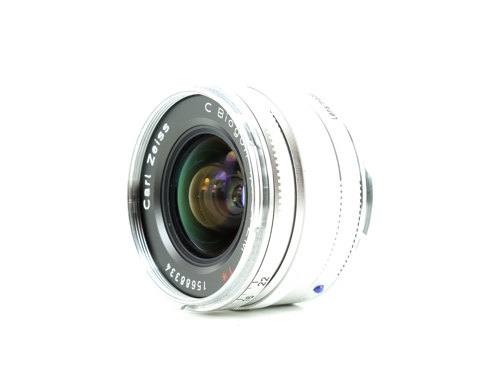
The compact Carl Zeiss C Biogon T* 21mm f/4.5 ZM is an M-mount super wide whose near-distortion-free Biogon optics made it a collector favorite.
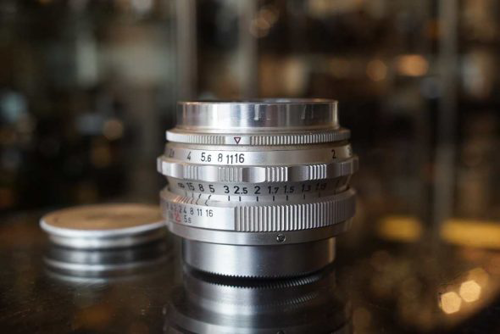
The Steinheil Quinon 50mm f/2 is a chrome LTM normal lens from Munich maker C. A. Steinheil, an uncommon screw-mount alternative for vintage rangefinder collectors.
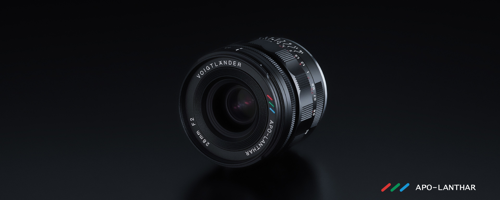
The Voigtländer APO-LANTHAR 28mm f/2 Aspherical is a Leica M-mount wide-angle prime that brings Cosina's apochromatic optics to the rangefinder system.
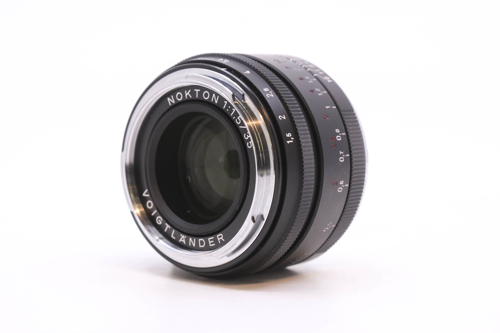
The Voigtländer Nokton 35mm f/1.5 Aspherical VM Type 1 is a compact aluminium-bodied Leica M-mount fast 35mm, prized as an affordable Summilux alternative.
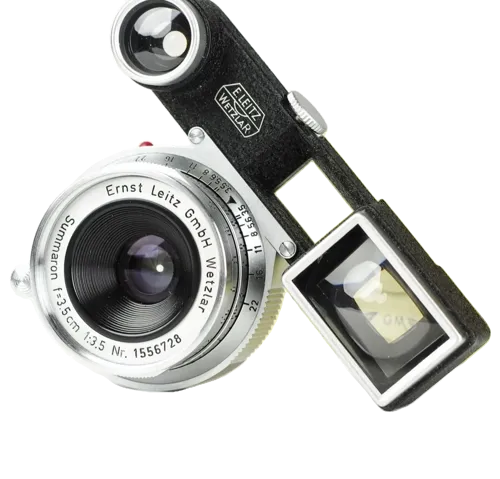
Leica Summaron 35mm f/3.5 SOONC-MW / SOMWO 11107 is the goggled M3 version of the classic chrome 35mm Summaron.
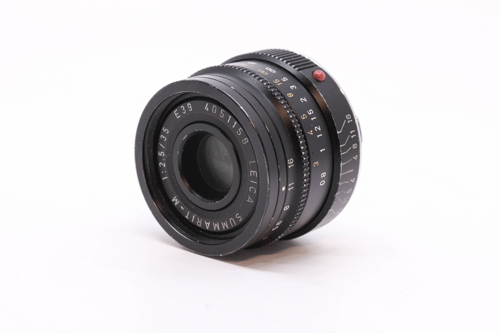
The Leica Summarit-M 35mm f/2.5 is a compact 6-bit-codeable M-mount wide-angle, the entry point of Leica's affordable Summarit line that collectors now prize.
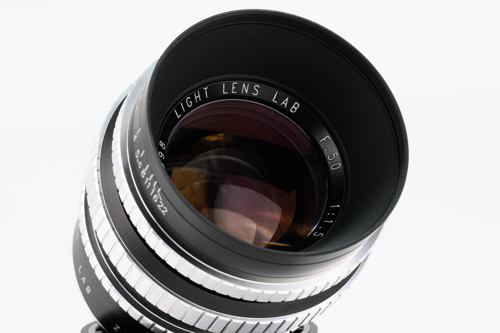
The Light Lens Lab 50mm f/1.5 "Z21" is a Leica M-mount homage to the 1950s Angenieux S21, a six-element character lens prized for its painterly, swirling rendering.
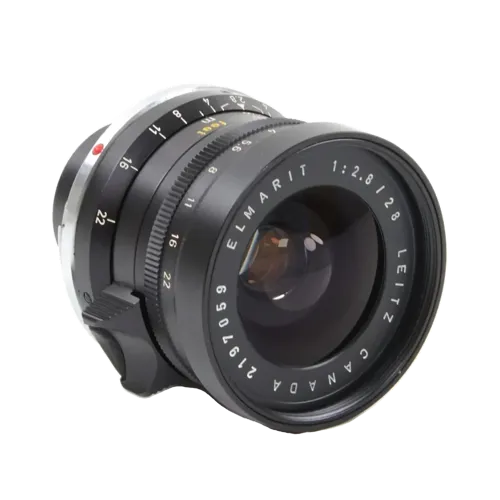
Leica Elmarit 28mm f/2.8 11801, rare 9-element M-mount lens from 1965, a collectible early Leica wide-angle for rangefinder users.
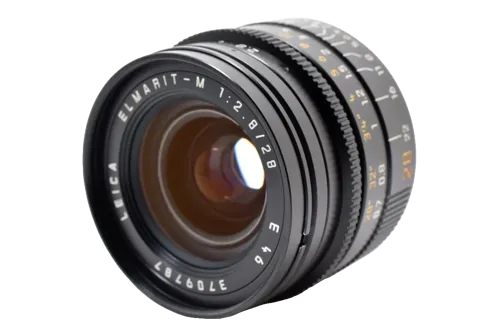
The Leica Elmarit-M 28mm f/2.8 IV (11809) is the last non-aspherical 28mm Elmarit for the M mount, a compact wide-angle valued by collectors.
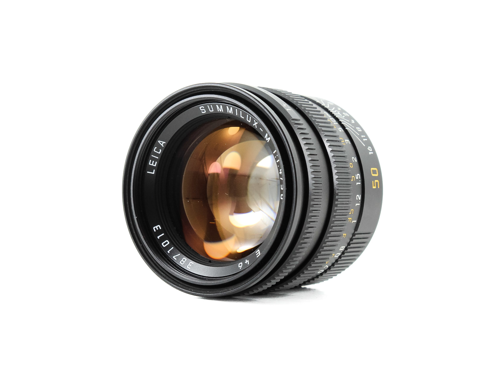
The Leica Summilux-M 50mm f/1.4 second version, a Walter Mandler M-mount fast standard lens prized by collectors for its long run and classic rendering.
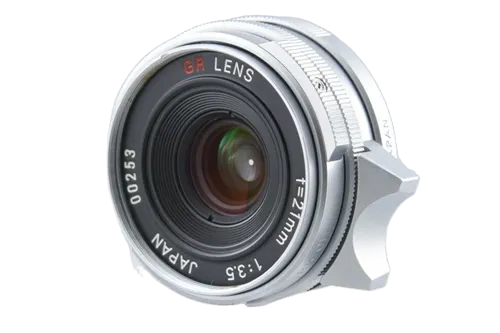
The Ricoh GR Lens 21mm f/3.5 is a limited-production LTM ultra-wide with nine elements, ten blades and rangefinder coupling to 0.7m.
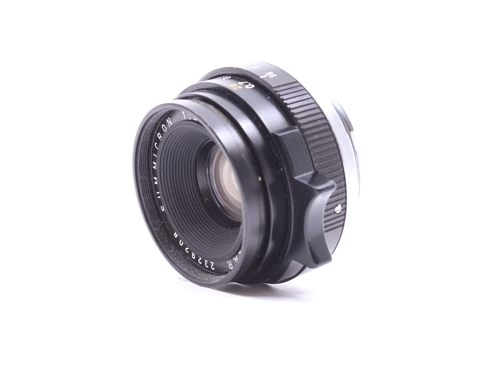
The Leica Summicron 35mm f/2 II is a six-element M-mount wide lens (1969 to 1971) that bridges the famed 8-element original and the later v3, prized by collectors.
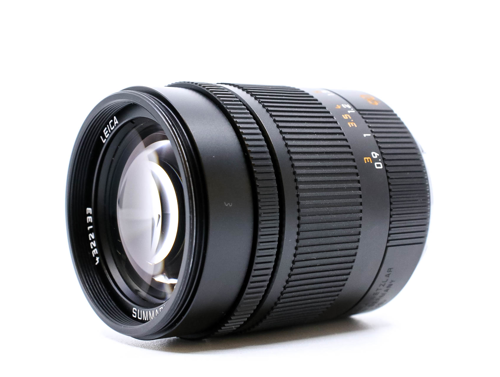
The Leica Summarit-M 90mm f/2.4 is the M-mount system's most affordable 90mm telephoto, a compact 2014 redesign prized by collectors as a lighter APO alternative.
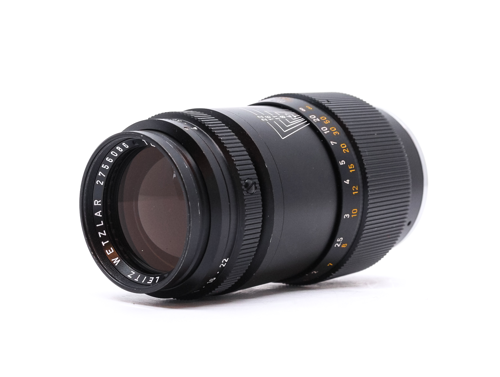
The Leica Tele-Elmar-M 135mm f/4 Type 2 (11861) is the built-in-hood, E46 M-mount version of Walter Mandler's long-lived 135mm telephoto, prized by collectors.
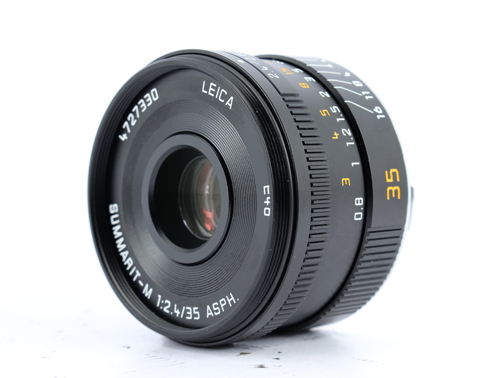
The Leica Summarit-M 35mm f/2.4 ASPH is a compact manual-focus M-mount wide-angle, the only Summarit-M with an aspherical element, prized for clean rendering.
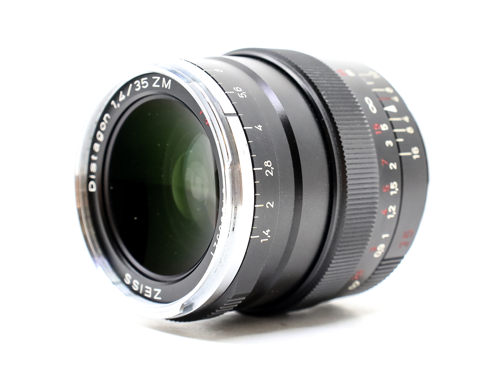
The Carl Zeiss Distagon T* 35mm f/1.4 ZM is a fast retrofocus M-mount wide-angle prized by Leica collectors as a Summilux alternative.
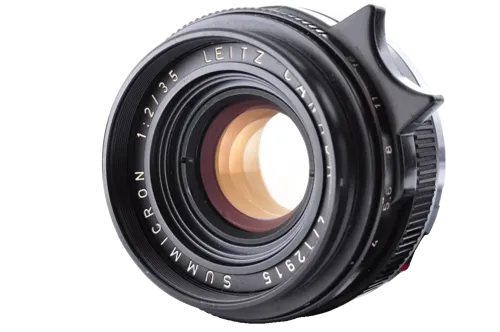
The Leica Summicron 35mm f/2 III (11309) is a compact six-element M-mount rangefinder lens made from 1971 to 1979, prized by collectors for its character.
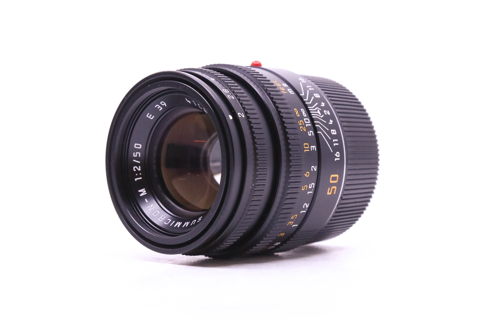
Leica Summicron-M 50mm f/2 V5, introduced in 1994 with classic 6/4 optics, built-in hood, and collectible Safari, silver and titanium M variants.
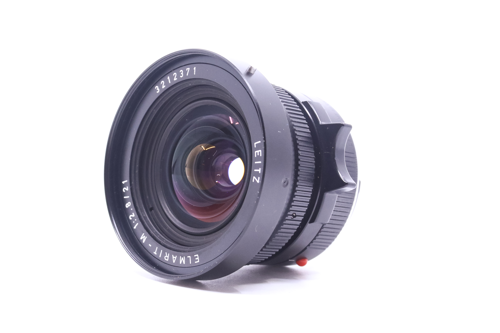
The Leica Elmarit-M 21mm f/2.8 ASPH. is an aspherical ultrawide M-mount rangefinder lens made from 1997, collected for its corrected, high-contrast drawing.
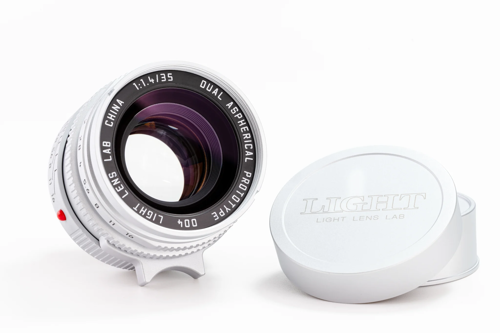
Light Lens Lab's 35mm f/1.4 "11873" Double Aspherical is an M-mount homage to Leica's rare AA Summilux, prized by collectors for its updated optical design.
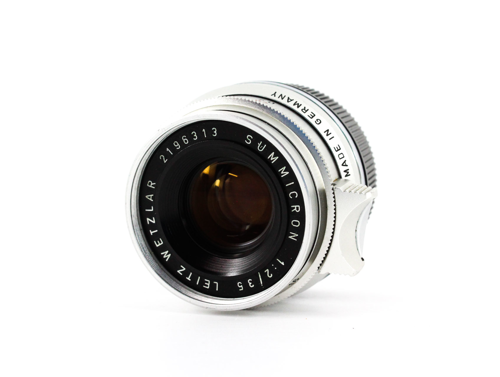
Leica Summicron-M 35mm f/2 I 8-element 11308 SAWOM, the classic non-goggled M-mount version with 16-blade aperture and collector appeal.
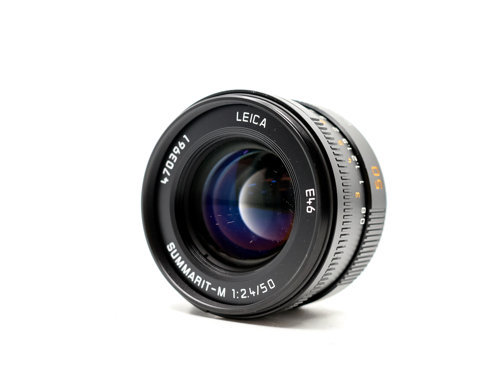
The Leica Summarit-M 50mm f/2.4 is a compact, lightweight aluminum-barrel M-mount normal lens, the entry point into Leica's 50mm rangefinder lineup.
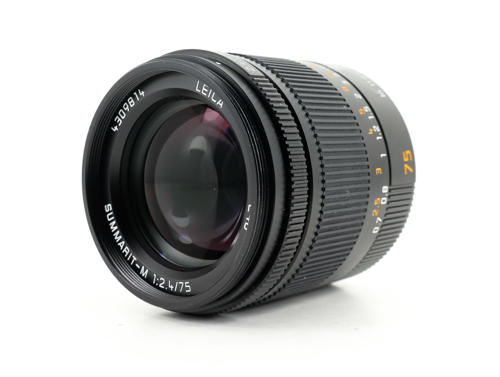
The Leica Summarit-M 75mm f/2.4 is a compact short-telephoto M-mount rangefinder lens, the value-priced alternative to Leica's pricier 75mm Summicron and APO designs.
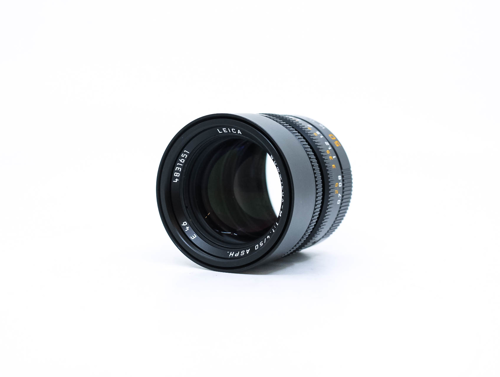
The Leica Summilux-M 50mm f/1.4 ASPH. I is Peter Karbe's M-mount fast fifty, the first to pair an aspherical surface with a floating element.
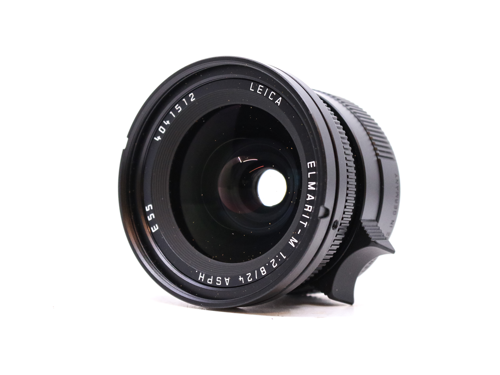
The Leica Elmarit-M 24mm f/2.8 ASPH. is a compact M-mount wide-angle prime, valued by collectors as Leica's first aspherical 24mm rangefinder lens.
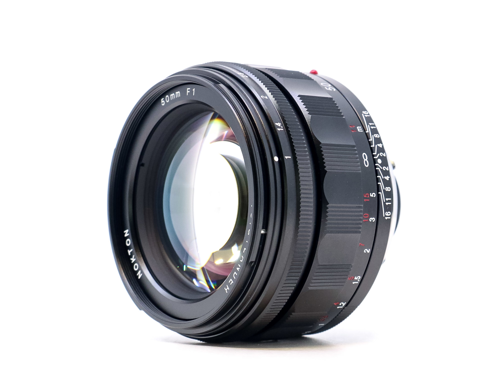
The Voigtländer Nokton 50mm f/1 Aspherical is Cosina's fastest full-frame M-mount lens, a rangefinder-coupled 50mm prime that rivals the Leica Noctilux.
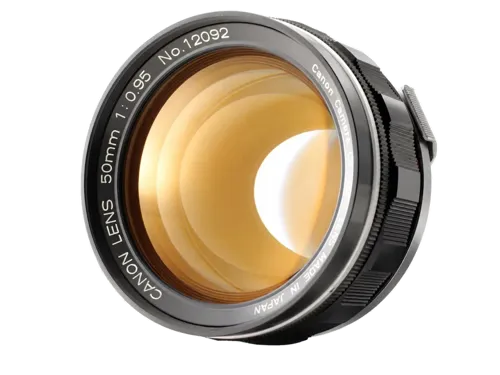
The Canon 50mm f/0.95, the "Dream Lens" for the Canon 7 rangefinder, prized by collectors and used on Leica M after conversion from its native bayonet.
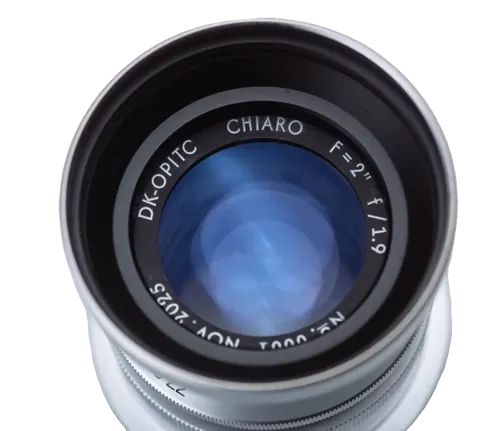
A modern DK-Optic 51mm f/1.9 character lens in coupled Leica M mount, with six elements, twelve aperture blades and 0.7m close focus.
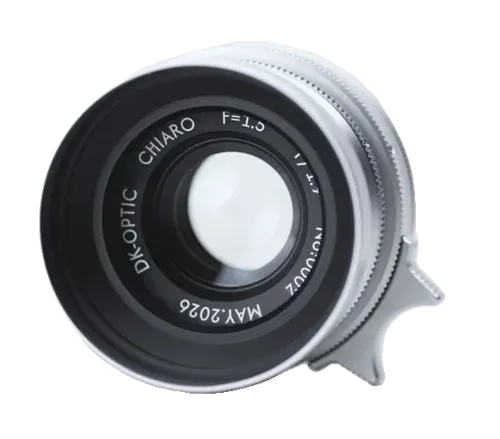
A modern DK-Optic 38mm f/1.9 character lens in coupled Leica M mount, with six elements, preset aperture control and 0.75m close focus.

The Leica APO-Summicron-M 90mm f/2 ASPH is an apochromatic short-telephoto M-mount lens, prized by collectors for class-leading sharpness wide open.
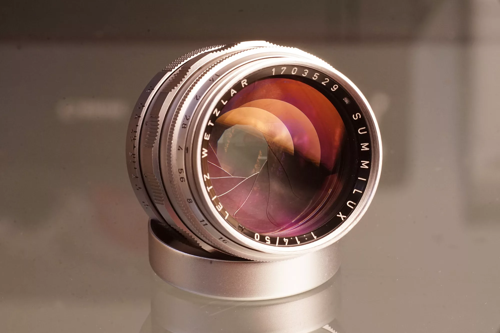
Leica Summilux-M 50mm f/1.4 I, the 1959 M-mount first-generation Summilux with 7/5 optics, E43 filter thread and major collector relevance.
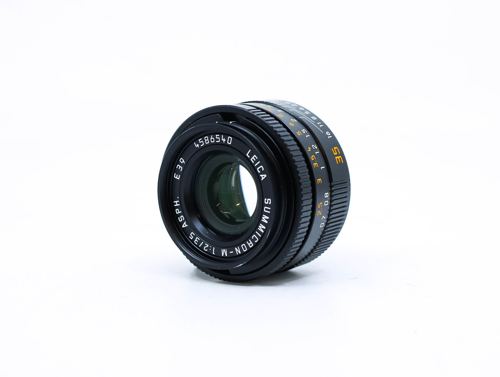
The Leica Summicron-M 35mm f/2 ASPH., a compact M-mount classic, was the first aspherical 35 Cron and remains a benchmark mid-speed wide-angle.
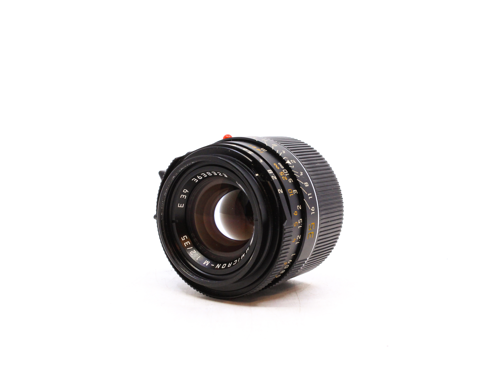
The Leica Summicron-M 35mm f/2 IV is a compact M-mount wide-angle prime nicknamed "King of Bokeh," prized by collectors for its smooth rendering.
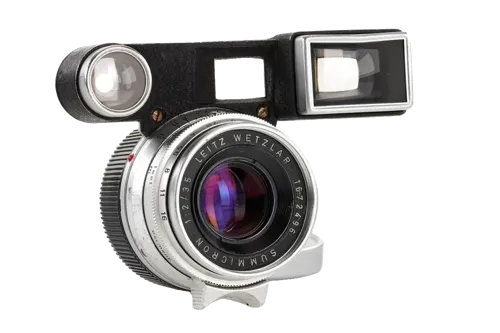
The goggled Leica 35mm f/2 eight-element Summicron for the M3, catalogue 11108, with coupled focusing, E39 filters and a 16-blade diaphragm.
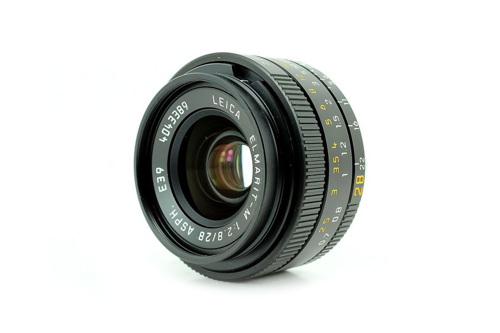
The Leica Elmarit-M 28mm f/2.8 ASPH. (11606), the first aspherical 28mm Elmarit-M, is a compact wide-angle M-mount lens valued for its small size.
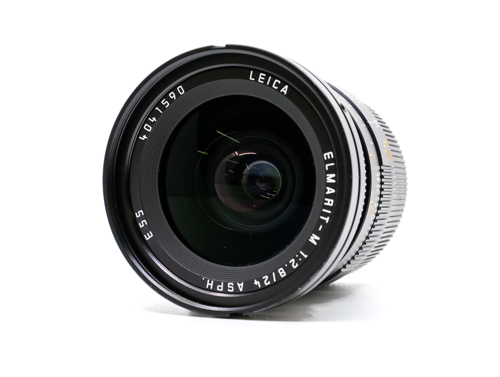
The Leica Elmar-M 24mm f/3.8 ASPH. is a compact wide-angle M-mount lens, a lighter alternative to the 24mm f/2.8 Elmarit valued by collectors.
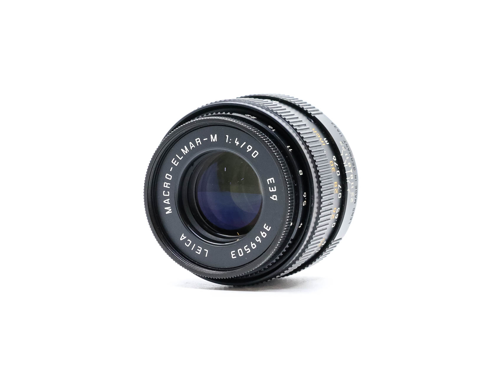
The Leica Macro-Elmar-M 90mm f/4 is a compact collapsible M-mount telephoto whose pairing with the Macro-Adapter-M makes it a versatile collector favorite.
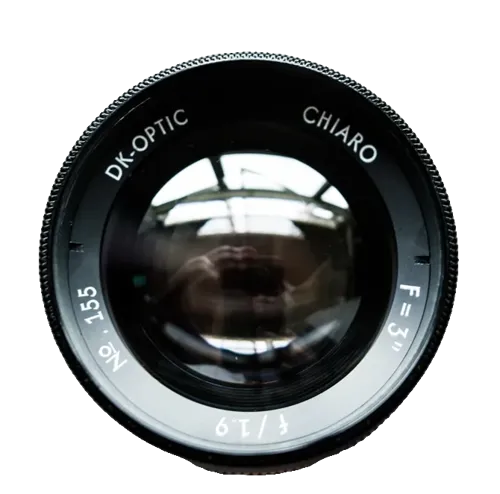
A modern 76mm f/1.9 six-element portrait lens by DK-Optic, rangefinder coupled in native Leica M mount and offered coated or uncoated.
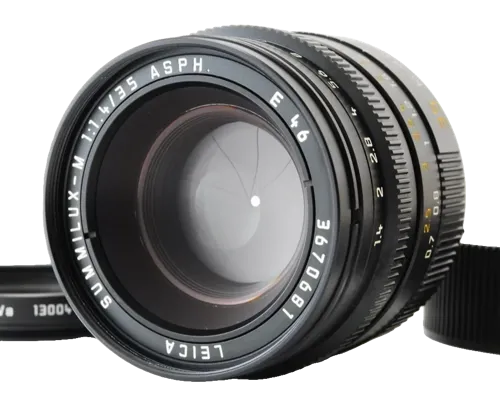
The Leica Summilux-M 35mm f/1.4 ASPH. II is the 1994 single-aspherical M-mount fast wide-angle, prized by collectors for its rendering despite focus shift.
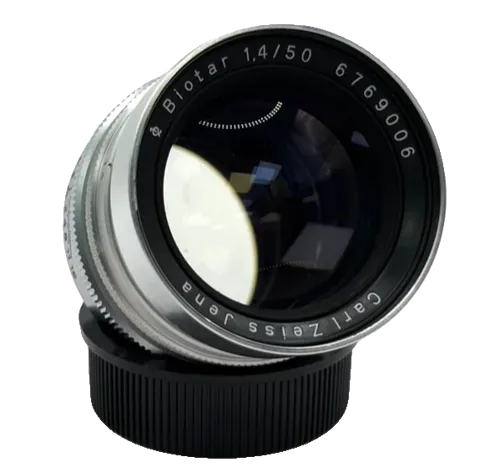
A Carl Zeiss Jena 50mm f/1.4 Biotar cine lens rebuilt for Leica M, with conversion-specific focusing, coverage and rangefinder behaviour.
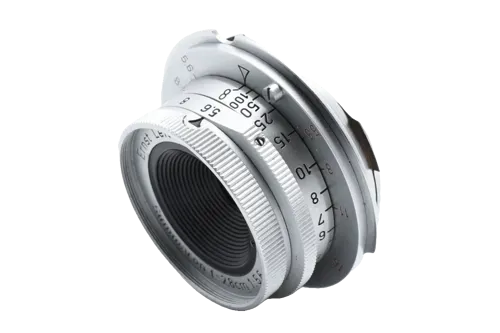
The Leica Summaron-M 28mm f/5.6 is a 2016 M-mount remake of the 1950s screw-mount classic, a tiny f/5.6 wide-angle prized by collectors.
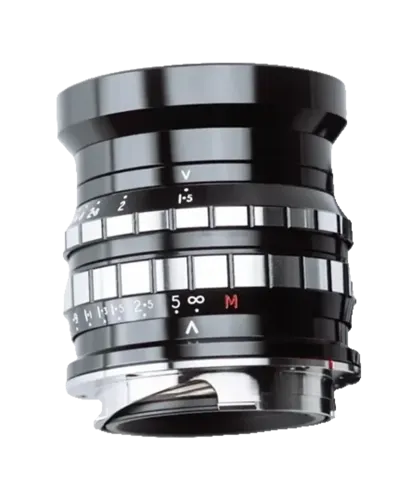
A modern 51mm f/1.5 seven-element Leica M character lens by DK-Optic, rangefinder coupled to 0.7m with coated and uncoated optical versions.
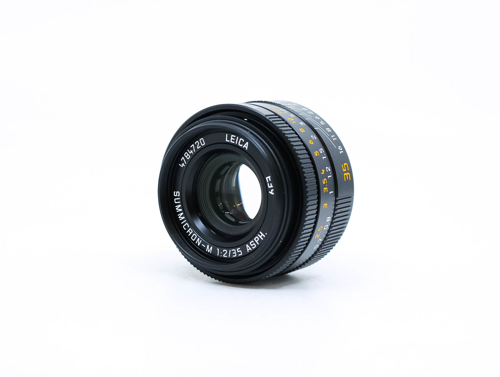
The Leica Summicron-M 35mm f/2 ASPH. II is a compact M-mount wide-angle prime, a 2016 refresh of the classic 35 Summicron with 11 aperture blades.
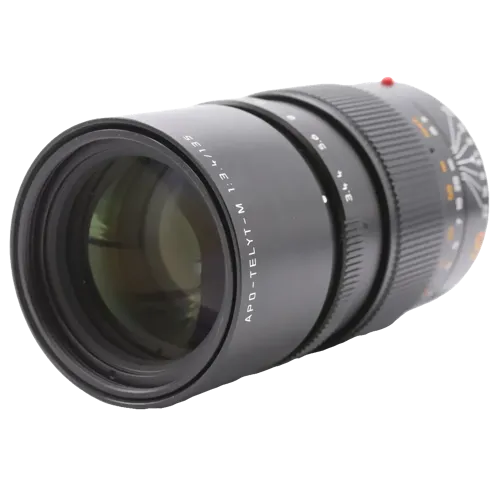
The Leica APO-Telyt-M 135mm f/3.4 is the longest M-mount rangefinder lens, an apochromatic telephoto prized by collectors for its compact size and resolution.
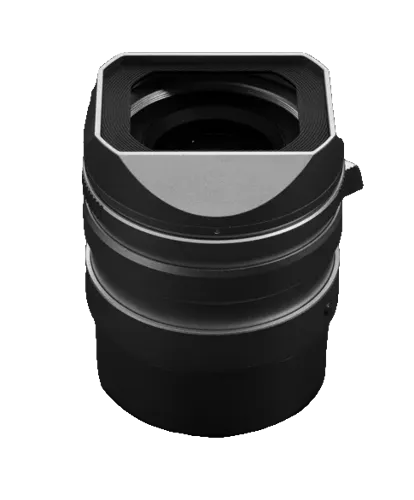
Light Lens Lab’s 35mm f/2 Apochromatic, a coupled Leica M lens with 11 elements, four aspherical surfaces, floating focus and a 0.3m close limit.
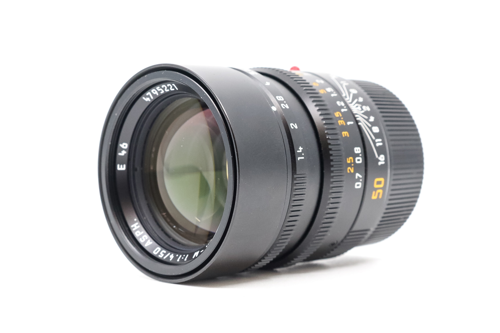
The Leica Summilux-M 50mm f/1.4 (third version) is an M-mount fast standard lens with a built-in hood and E46 filter, prized as the last pre-aspherical 50.
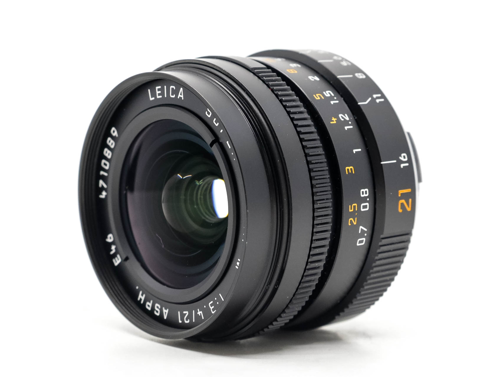
The Leica Super-Elmar-M 21mm f/3.4 ASPH. is a compact M-mount wide-angle prime prized for near-distortion-free clarity and a notably small, well-built barrel.
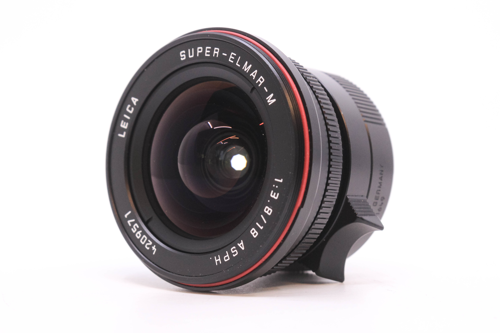
The Leica Super-Elmar-M 18mm f/3.8 ASPH. is a compact ultra-wide M-mount rangefinder lens valued by collectors for its sharp, low-distortion drawing.
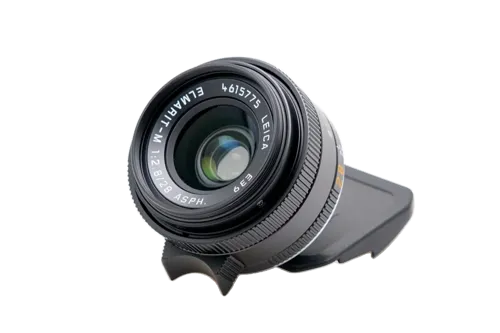
Leica Elmarit-M 28mm f/2.8 ASPH. II, compact Leica M wide-angle lens, 6-bit coded 28mm Leica lens, modern M-Mount street photography lens.
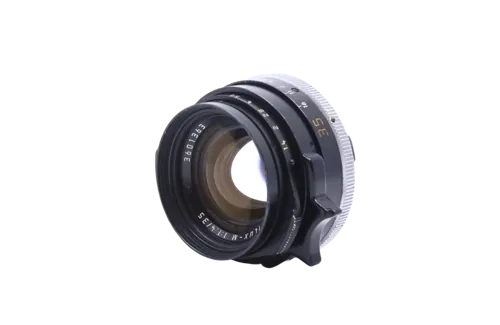
The Leica Summilux-M 35mm f/1.4 II is the pre-aspherical M-mount fast 35mm prime designed by Walter Mandler, prized by collectors for its distinctive wide-open glow.
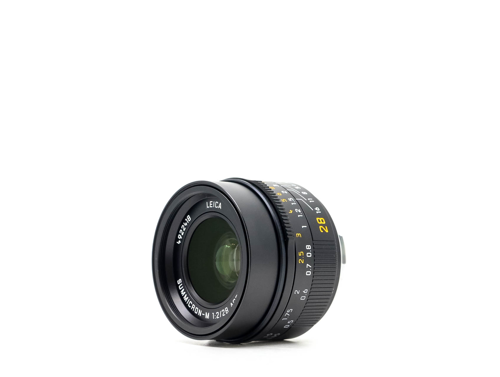
The Leica Summicron-M 28mm f/2 ASPH. III (11618) is an M-mount wide-angle that adds 0.4m close focus and a built-in hood to a proven optical design.
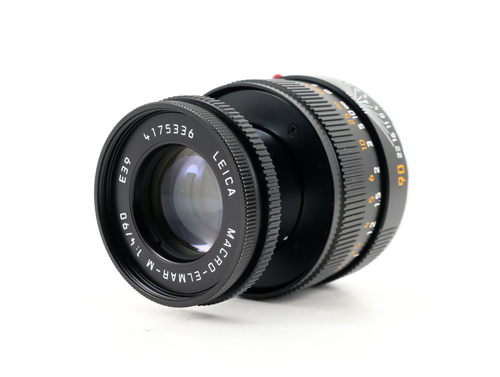
The Leica Macro-Elmar-M 90mm f/4 II (11670) is a compact collapsible M-mount short telephoto, prized by collectors for close focusing and tiny size.
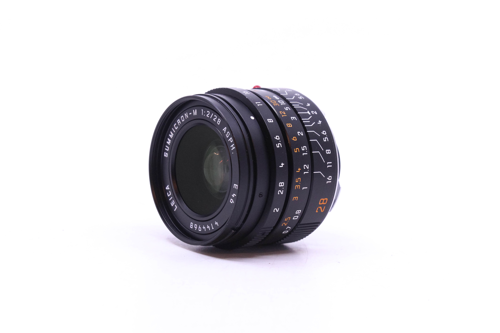
The Leica Summicron-M 28mm f/2 ASPH. I (11604) was the first f/2 wide-angle Summicron in M mount, a compact, fast 28mm prized by reportage shooters.
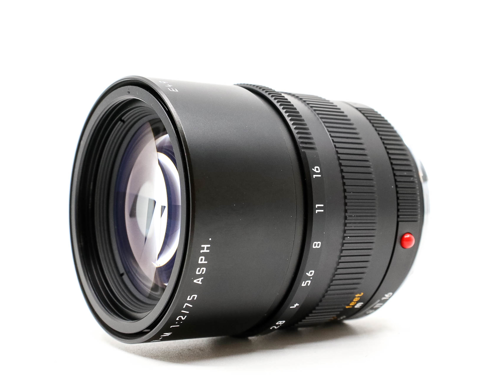
The Leica APO-Summicron-M 75mm f/2 ASPH. is a compact, apochromatic short-telephoto M-mount lens prized by collectors for near-flawless optical performance.
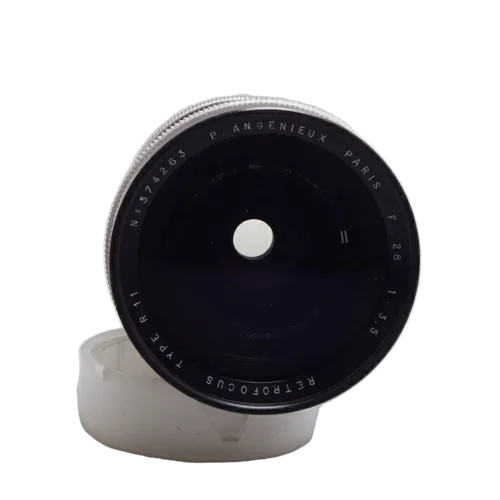
Angénieux 28mm f/3.5 Type R11 LTM is a rare French retrofocus Leica screw-mount rangefinder lens with strong collector appeal.
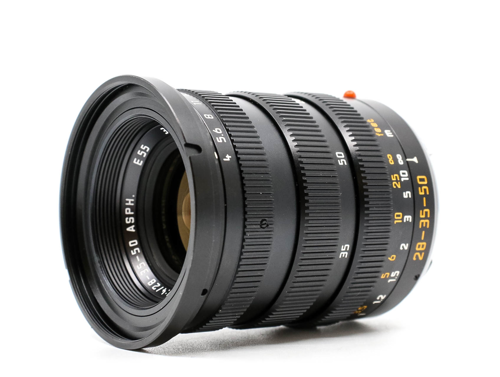
The Leica Tri-Elmar-M 28-35-50mm f/4 ASPH. (Type 1) is the original E55 "MATE," a rare three-focal-length M-mount lens prized by collectors.
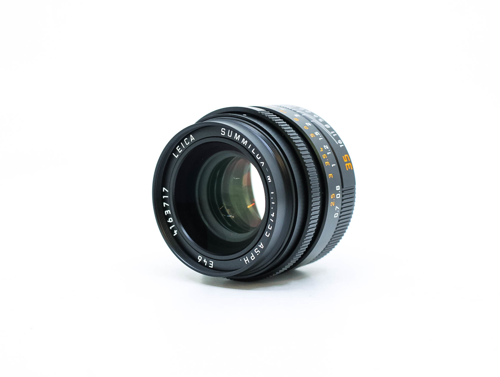
The Leica Summilux-M 35mm f/1.4 ASPH. (FLE) is an M-mount fast wide-angle whose floating element cured the focus shift that troubled its predecessor.
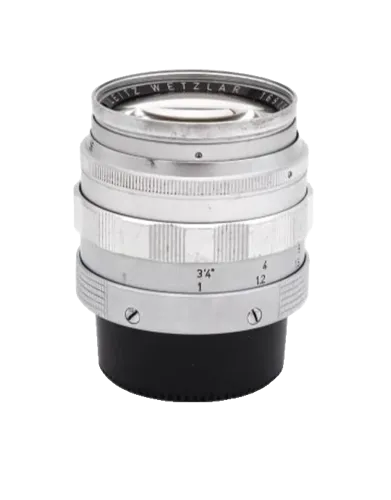
The rare Leica 50mm f/1.4 Summilux I in coupled LTM, catalogue 11014, with seven elements, an E43 filter thread and a 16-blade diaphragm.
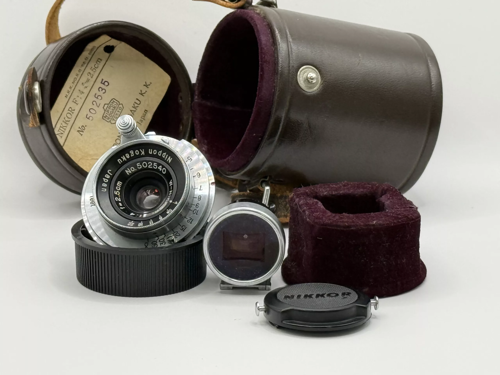
The Nippon-Kogaku W-Nikkor.C 2.5cm f/4 is a tiny Topogon-type 25mm wide-angle in Leica screw mount, a rare and prized rangefinder collector lens.