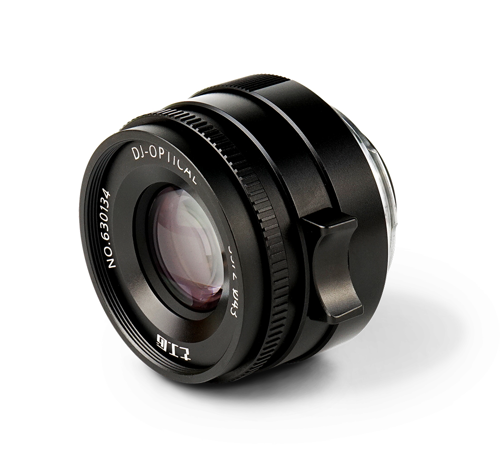
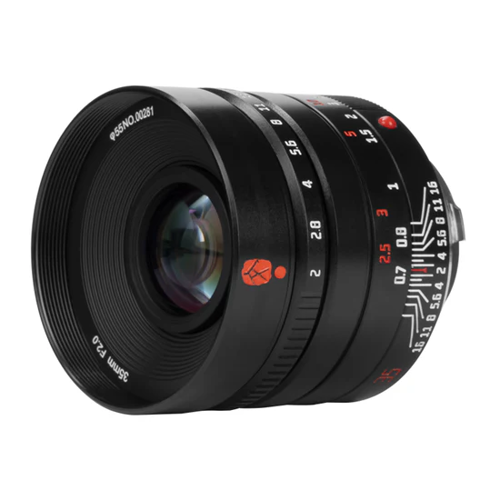
Light Lens Lab 35mm f/2 Apochromatic Price & Pre-Orders
Light Lens Lab reveals pricing, pre-orders and shipping for the 35mm f/2 Apochromatic Leica M lens, with 5% off via LEICALENSLIST.
Light Lens Lab’s 35mm f/2 Apochromatic, a coupled Leica M lens with 11 elements, four aspherical surfaces, floating focus and a 0.3m close limit.
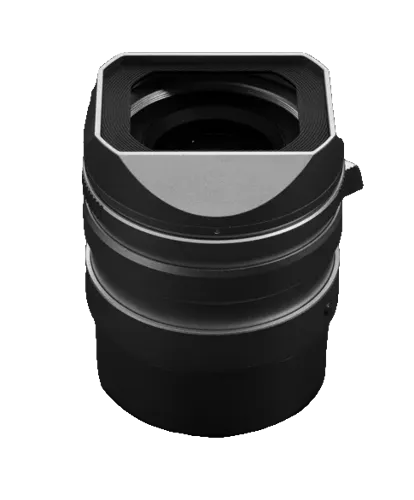
M mount
The Light Lens Lab 35mm f/2 APO is a M-mount lens for Leica rangefinder cameras. As of September 2026, it sells from €1,944 used across 1 listing, with a 30-day median of €1,944. Leica price index →
Measured against the 75 other 35mm M-mount lenses in the catalogue.
The Light Lens Lab 35mm f/2 Apochromatic is a modern manual-focus Leica M lens announced in August 2026 as the first model in the maker's Apochromatic Series. It is an original design rather than a copy of a historical Leica formula. Official specifications list 11 elements in six groups, four aspherical surfaces and specialised low-dispersion and high-refractive-index glass.
The Leica M barrel is mechanically rangefinder coupled through its conventional focusing range. A floating optical group extends close focus to 0.3 metres. Below the normal rangefinder limit, focusing and framing require Live View, an electronic finder or another direct image-plane method. Temporary preorder prices, shipping schedules and coupon information are excluded because they do not define the lens.
Rendering
Light Lens Lab designed the lens to control longitudinal chromatic aberration, field curvature and colour fringing while maintaining high contrast across the frame. Four aspherical surfaces and a floating group address correction from infinity to close range. Manufacturer MTF claims and early photographs should remain distinct from independent production-sample measurements.
The 35mm focal length suits documentary photography, streets, travel and environmental portraits. Its 0.3m close limit also supports detail studies beyond the mechanically coupled range of a traditional Leica M finder.
At maximum aperture
Maximum-aperture performance requires accurate focusing. A coupled rangefinder measures distance rather than inspecting the image plane, so calibration errors, subject movement and field curvature can be mistaken for softness. The widest setting gives the most light and least depth of field, while residual aberrations and reflections may reduce contrast.
Stopped down
Closing the diaphragm increases depth of field and normally improves consistency across the frame. Middle apertures are often the practical choice for even detail. The smallest setting gives more depth but is not automatically the sharpest because diffraction gradually reduces fine contrast.
Handling and compatibility
Mount, registration and coupling must be verified before use. Similar-looking rangefinder fittings are not universally interchangeable. A suitable adapter must preserve the correct register and keep rear elements clear of internal camera parts.
Historical lenses should not be judged from one sample alone. Haze, separation, cleaning damage, displaced elements and dried lubricant can alter contrast and focus. Film choice, sensor cover glass and adapter tolerances also influence results.
Handling and versions
Titanium and aluminium barrels, with smooth or knurled exterior treatments, have been documented. These are mechanical variants of one optical design unless later factory information establishes otherwise.
Development and Launch
Light Lens Lab developed the project over several years before announcing production in August 2026. The lens introduced a high-performance Apochromatic Series alongside the company's historically inspired recreations.
Production Evolution
Initial production included titanium and aluminium configurations. The 11-element, six-group formula, four aspherical surfaces, Leica M mount and floating close-focus system define the model.
Special Editions/Variants
Documented versions differ in barrel material, finish and grip treatment. They remain together while the optical formula and focusing system are unchanged.
Collector Notes
Early examples should be identified by material, finish and accessories. Rangefinder calibration should be checked at normal distances, while 0.3m use must be evaluated through direct viewing.
Historical lenses should not be judged from one sample alone. Haze, fungus, separation, cleaning damage, displaced elements and dried lubricant can alter contrast and focus more than modest design differences. Film choice, processing, digital sensor cover glass and adapter tolerances also influence results. A hood may reduce oblique flare but cannot correct internal contamination.
Condition and calibration remain decisive. Mechanical rangefinder agreement, optical centering, diaphragm operation and close-focus accuracy should be checked separately. A single early sample cannot establish the performance of an entire production series.
About the usual price. The lowest listing is around the 30-day average.
Official-store listings are affiliate links: buying through them supports Leica Lens List at no extra cost to you.
Over the last 6 weeks the median price for the Light Lens Lab 35mm f/2 APO has held steady, ranging from €1,944 to €1,944 (now €1,944).
Weekly price (EUR). Median (Good or better) and lowest (Good or better) across 6 weeks. The full figures follow in the table below.
| Week | Median | Lowest |
|---|---|---|
| Aug 10, 2026 | €1,944 | €1,944 |
| Aug 17, 2026 | €1,944 | €1,944 |
| Aug 24, 2026 | €1,944 | €1,944 |
| Aug 31, 2026 | €1,944 | €1,944 |
| Sep 7, 2026 | €1,944 | €1,944 |
| Sep 14, 2026 | €1,944 | €1,944 |
Official store Official-store listings are affiliate links. Buying through one supports Leica Lens List at no extra cost to you, and never changes where a listing sits in this table.
Every shop grades differently. Leica Classic uses letters, Ffordes uses E++ and E+, German dealers write "Zustand B", Japanese dealers write A−. We map all of them onto the one ladder below. Where a shop states its own grade, we print it under ours.
As of September 2026, the Light Lens Lab 35mm f/2 APO sells from €1,944 used, with a 30-day median of €1,944, across 1 active listing.
As of September 2026, the Light Lens Lab 35mm f/2 APO is sold by 1 source (1 listing), from €1,944 used: all compared cheapest-first on this page.
Similar lenses you might be interested in
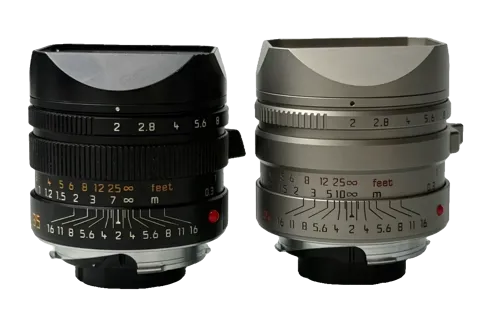
Light Lens Lab reveals pricing, pre-orders and shipping for the 35mm f/2 Apochromatic Leica M lens, with 5% off via LEICALENSLIST.
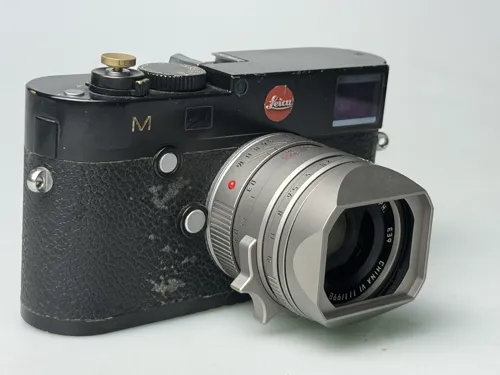
Light Lens Lab announces the 35mm f/2 “Apochromatic” for Leica M-mount, the first lens in its new High Performance Series.
Comments