Light Lens Lab Announces 35mm f/2 “Apochromatic” for Leica M-Mount
Light Lens Lab announces the 35mm f/2 “Apochromatic” for Leica M-mount, the first lens in its new High Performance Series.
Light Lens Lab Announces 35mm f/2 "Apochromatic" for Leica M-Mount
Light Lens Lab has announced the 35mm f/2 "Apochromatic" for Leica M-mount, and this is a different kind of release for them.
It's the first lens in their new High Performance Series, and the first lens developed under their new High-Performance Optical Research Project.
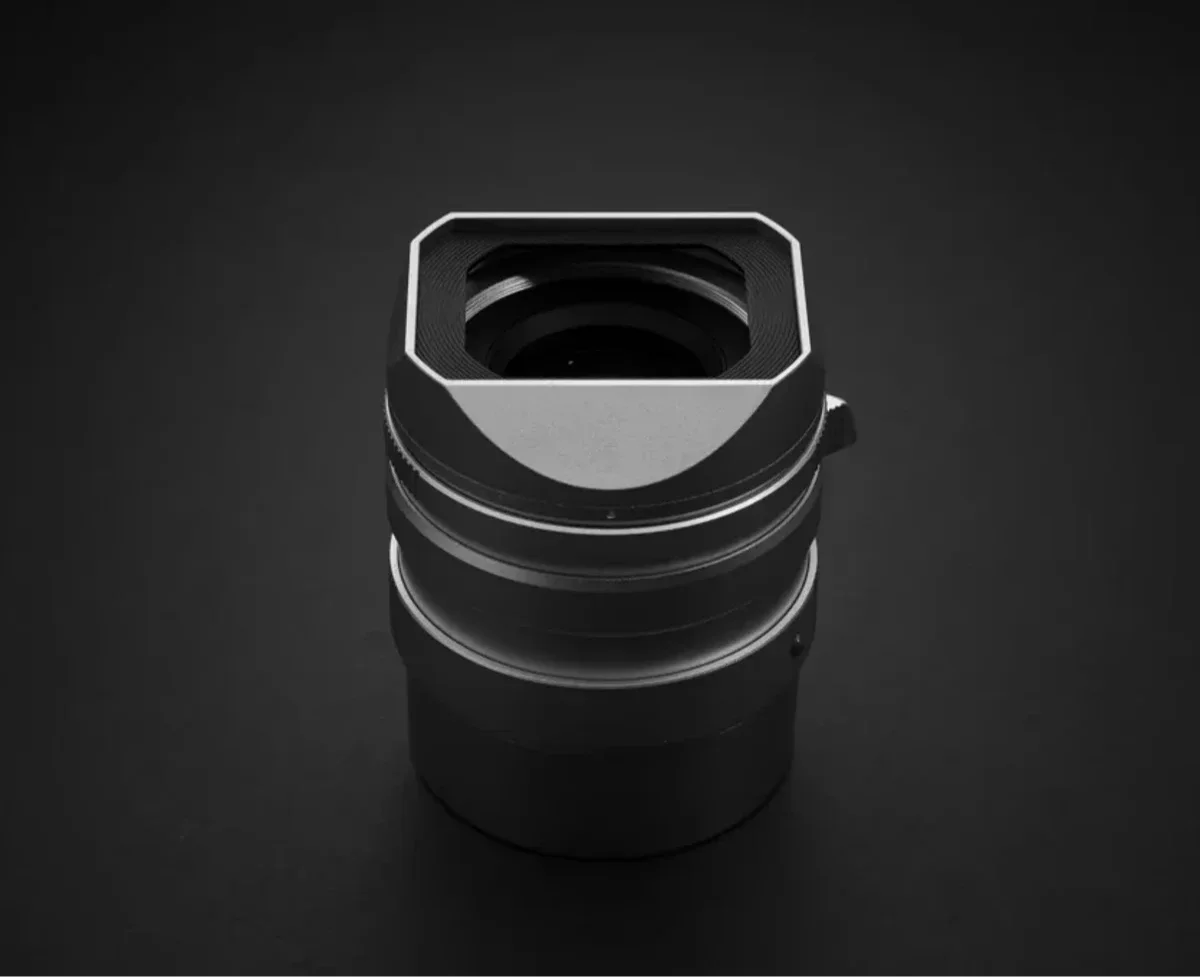
Light Lens Lab is known mostly for lenses that reference historical optical designs, classic Leica-era rendering and mechanical reproduction. This 35mm f/2 goes the other way: an independently developed modern design, built around correction, close-focus performance and technical consistency.
A new direction for Light Lens Lab
Light Lens Lab calls this their first step into apochromatic photography, which is a big claim to make in this corner of the market.
Apochromatic correction is not only a marketing word here. For Leica M users it usually means better correction of longitudinal and lateral chromatic aberration.
That is a long way from their more nostalgic releases. They're after a modern 35mm with stronger correction, in a body that still fits on an M.
Optical design and close focus
The design is 11 elements in 6 groups with four aspherical elements. There's also a newly developed floating optical system, meant to hold performance steady throughout the focusing range.
That matters here, because this lens focuses down to 0.3 metres.
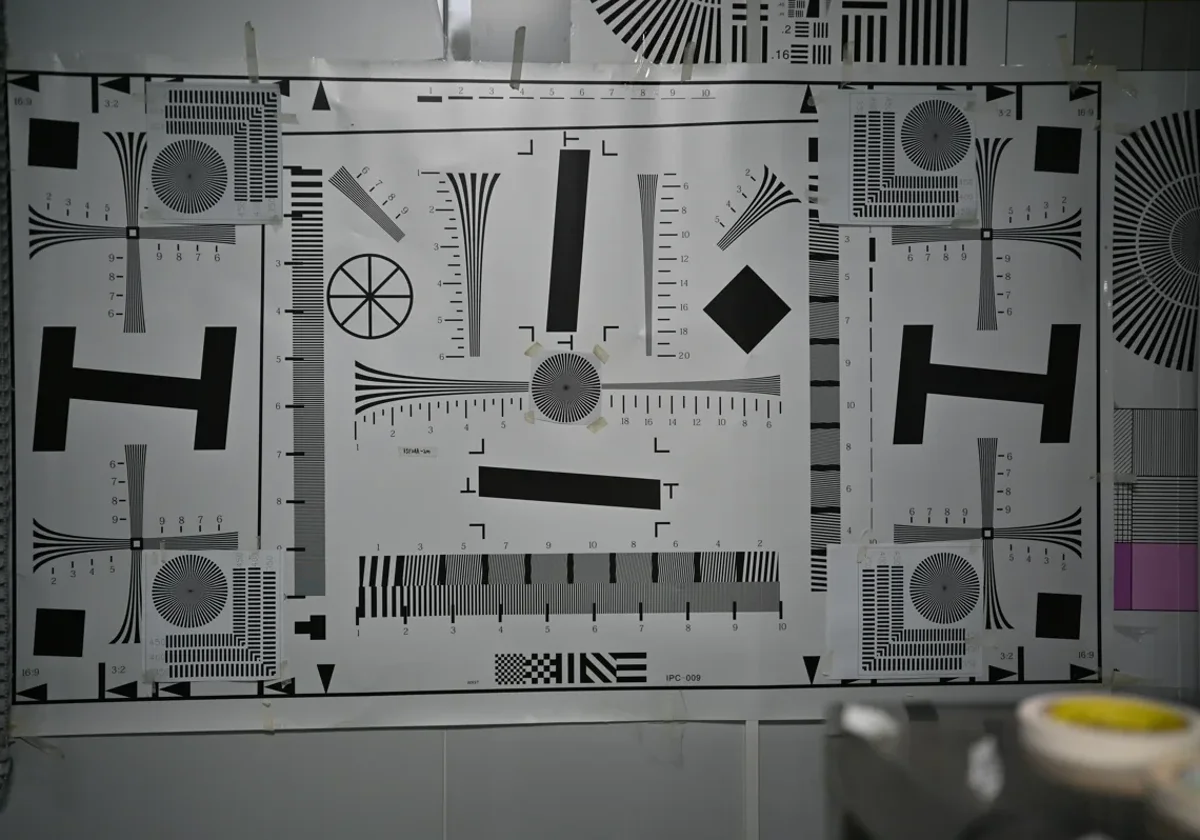
For a Leica M-mount lens, 0.3m is useful. It gives you room for details, still life, environmental portraits and tighter everyday framing. On rangefinder bodies, focusing below the coupled limit will depend on the camera and on live view, but the optical capability is there.
The floating system is probably the most important technical detail in this announcement. A close-focusing 35mm can look good at distance and still fall apart up close if the design isn't corrected for that range. Light Lens Lab appears to be going at that directly.
Specifications
| Item | Details |
|---|---|
| Lens | Light Lens Lab 35mm f/2 "Apochromatic" |
| Series | Light Lens Lab High Performance Series |
| Mount | Leica M-Mount quick-change bayonet |
| Frame coverage | 135 full frame, 36 × 24mm |
| Maximum aperture | f/2 |
| Minimum aperture | f/16 |
| Aperture blades | 11 |
| Optical design | 11 elements in 6 groups |
| Aspherical elements | 4 |
| Focusing system | Floating lens-element optical system |
| Focus range | 0.3m to infinity |
| Filter thread | E39 |
| Lens hood | E39 screw-on hood |
| Length | Approx. 40.9mm without hood, 49.3mm with hood |
| Diameter | Approx. 53mm |
| Weight | Approx. 327g aluminum with hood, 360g titanium with hood |
| Tested by LeicaLensList | Not yet |
My first impression
This is one of the more interesting Light Lens Lab announcements so far, mostly because it shows them moving past historical reproduction and into their own high-performance direction.
Starting at 35mm makes sense as well. A 35mm f/2 is one of the core Leica M lenses, useful for street photography, travel, documentary work and portraits with some context around them. If you're introducing a new High Performance Series, that's the logical place to begin.
What I want to know is how it renders. Sharp, controlled and close-focusing is one thing, but it also needs a tonal character worth using. If it has both, it becomes a genuinely interesting alternative among the modern 35mm M-mount lenses.
For now this is still an announcement. Sample images, handling, focusing feel, flare behaviour and actual use on an M all need checking first.
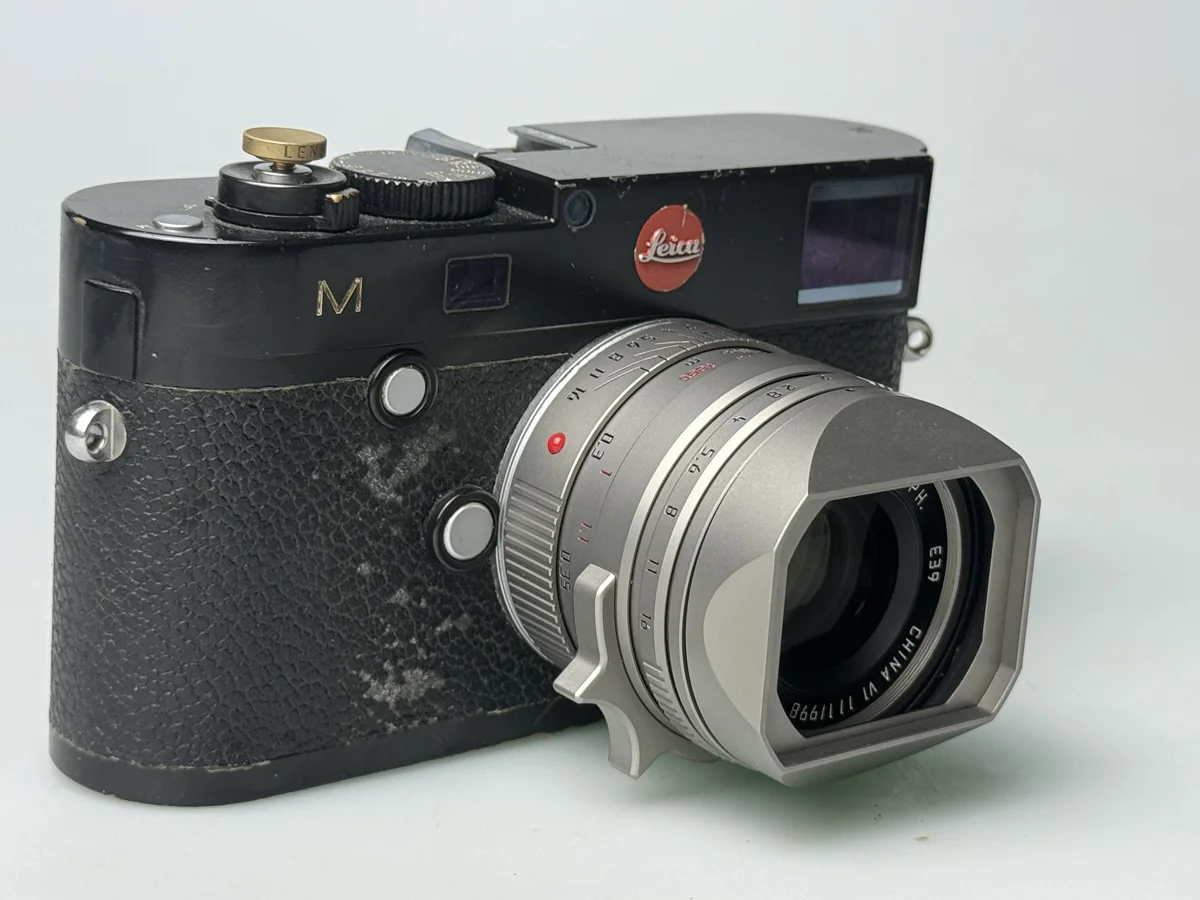
Lens page
The lens has been added to LeicaLensList here:
Light Lens Lab 35mm f/2 "Apochromatic"
I'll add more when final public details, real-world samples and hands-on impressions become available.
FAQ
Is the Light Lens Lab 35mm f/2 "Apochromatic" a Leica M-mount lens?
Yes. The lens is announced for Leica M-mount.
Is this a remake of a classic Leica lens?
No. Light Lens Lab describes it as an independently developed optical design and the first lens in its new High Performance Series.
Has LeicaLensList tested the lens?
Not yet. This article is based on the production announcement, not a hands-on review.
Does the lens focus closer than normal Leica M rangefinder distance?
The lens is specified with a 0.3m close-focus capability. On traditional rangefinder bodies, use below the rangefinder-coupled limit may depend on live view or camera compatibility.
Comments