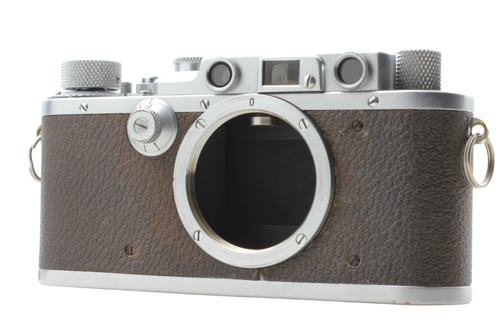
IIIa (Model G)
LTMIntroduced in 1935, the Leica IIIa (Model G) was the camera that gave photojournalists the ultimate tool to freeze time. Building on the success of the Leica III, it introduced a blazing-fast top shutter speed of 1/1000th of a second. This mechanical marvel cemented Leica's reputation as the go-to camera system for action, sports, and documentary photography leading up to World War II.
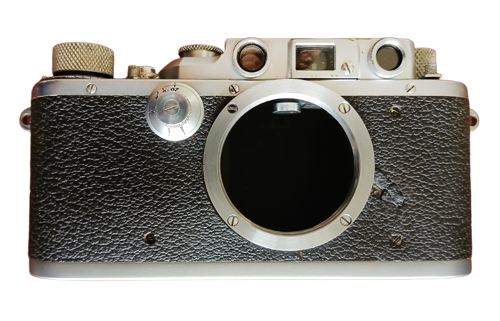
IIIb
LTMIntroduced in 1938, the Leica IIIb is the ultimate ergonomic refinement of the classic "built-up" Barnack Leicas. Its major innovation was moving the rangefinder and viewfinder eyepieces right next to each other, allowing photographers to focus and frame with barely a twitch of the eye. It served as a critical, short-lived bridge between the pre-war IIIa and the heavily redesigned wartime IIIc.
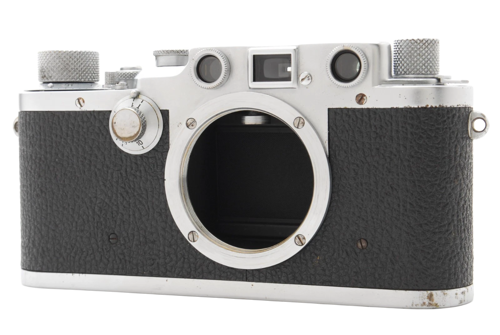
IIIc
LTMIntroduced in 1940, the Leica IIIc represents the most radical structural redesign in the history of the "Barnack" Leica. Driven by the rugged demands of World War II, Leica ditched the artisanal, multi-piece brass shell of earlier models in favor of a single, incredibly tough die-cast metal chassis. It is slightly longer, far more robust, and famous among collectors for its fascinating wartime variations.
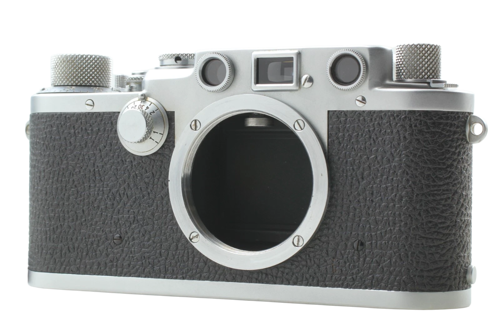
IIIf
LTMIntroduced in 1950, the Leica IIIf is often considered the most popular and commercially successful of all the classic screw-mount Leicas. It took the robust, die-cast chassis of the wartime IIIc and brought it into the modern era by finally adding built-in, fully synchronized flash capabilities. For collectors and shooters alike, it is the quintessential 1950s photojournalist's camera.
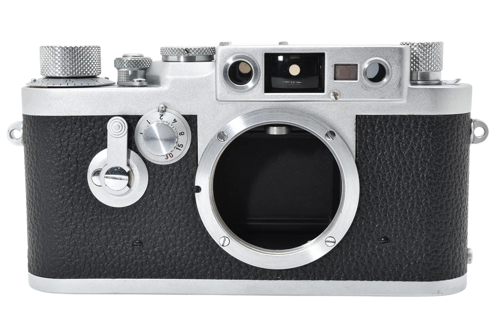
IIIg
LTMReleased in 1957, the Leica IIIg is the absolute pinnacle and the final swan song of the Leica screw-mount (LTM) era. Introduced *after* the legendary Leica M3 had already hit the market, it was designed for traditionalists who weren't ready to give up their screw-mount lenses. Its defining feature is a massively upgraded, taller viewfinder that projects brightline framelines for 50mm and 90mm lenses with automatic parallax correction.
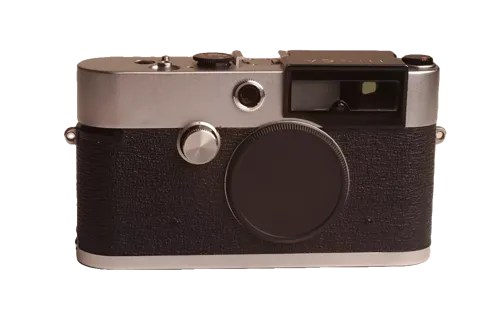
III-L
LTMNicca III-L is a rare 1958 LTM rangefinder with 1/1000s shutter, combined finder, projected 50mm frameline and rear film advance lever.
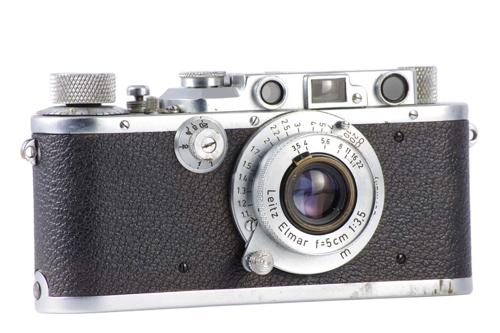
III (Model F)
LTMIntroduced in 1933, the Leica III (Model F) took everything that made the Leica II great and cranked it up a notch. It brought slow shutter speeds to the masses via a beautiful front-mounted dial, added a built-in diopter adjustment for the rangefinder, and finally introduced strap lugs so photographers could hang the camera around their necks without needing a bulky leather case.
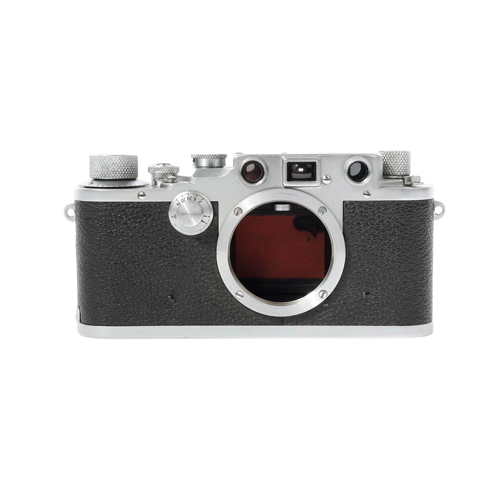
II (Model D)
LTMReleased in 1932, the Leica II (Model D) is the camera that truly changed the game. It was the very first Leica to feature a built-in, coupled rangefinder and fully standardize the M39 Leica Thread Mount (LTM). This meant photographers could finally swap lenses on the fly without needing factory calibrations for every single lens.
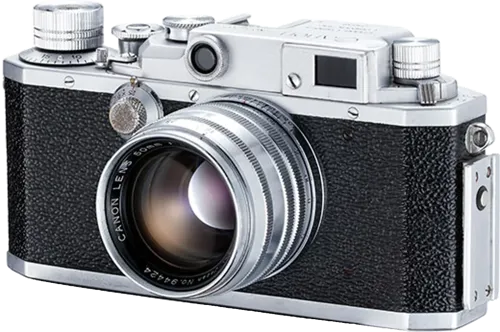
II S
LTMCanon II S is a rare 1954 LTM rangefinder with slow speeds, 1/500s cloth shutter, M/FP/X flash sync and Canon three-mode finder.
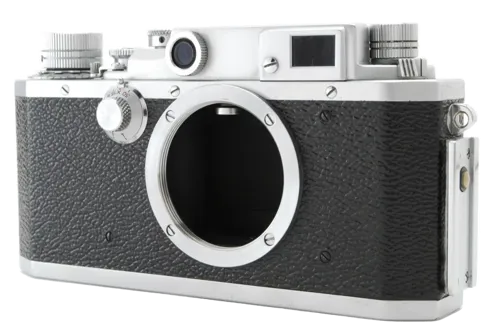
II S2
LTMCanon II S2 is a 1955 LTM rangefinder with IV Sb2-style handling, 1/500s cloth shutter, variable finder and FP/X sync.
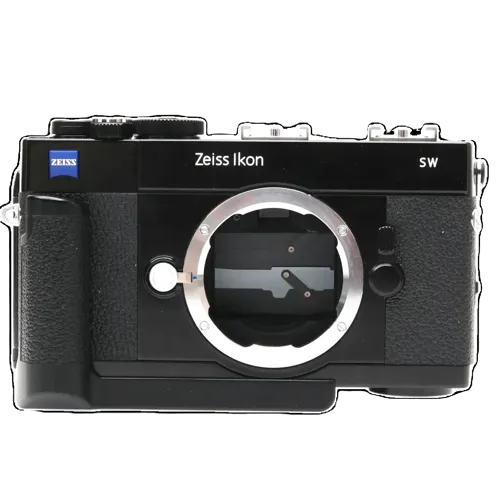
Ikon SW
MZeiss Ikon SW is a 2006 M-mount film camera without finder or rangefinder, built for super-wide lenses and external viewfinders.
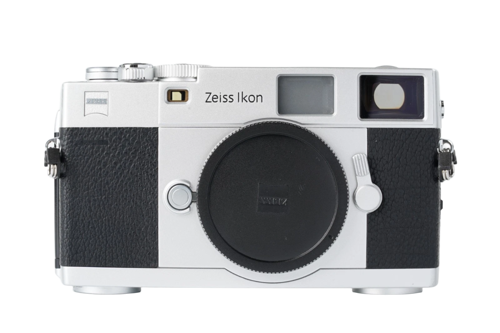
Ikon ZM
MThe Zeiss Ikon ZM is a premium 35mm film rangefinder camera introduced in 2004. Co-developed by Carl Zeiss in Germany and manufactured by Cosina in Japan, it was designed as a direct, high-quality competitor to the Leica M7. It features an electronically controlled metal shutter with Aperture Priority auto-exposure, and boasts what is widely considered the largest and brightest viewfinder ever put into an M-mount camera.
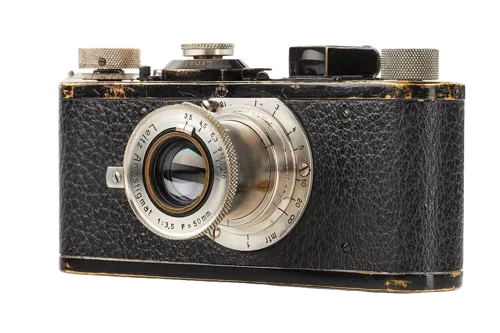
I Model A Anastigmat
Leica I Model A Anastigmat is the earliest production Leica, a 1925 fixed-lens 35mm camera with rare 50mm f/3.5 Anastigmat lens.
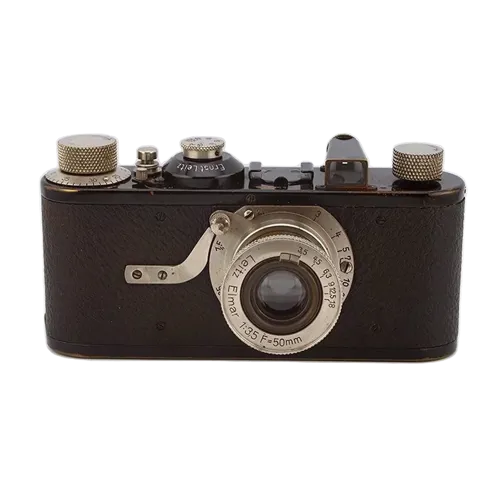
I Model A Elmar
Leica I Model A Elmar is a fixed-lens 35mm camera with 50mm f/3.5 Elmar, central to early Leica and Barnack-era collecting.
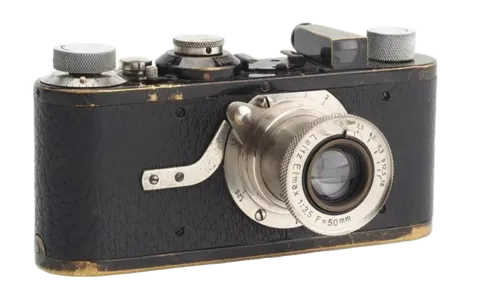
I Model A Elmax
Leica I Model A Elmax is a rare 1925 fixed-lens Leica with 50mm f/3.5 Elmax lens, early body details and major collector interest.