Light Lens Lab 50mm f/1.9 "Rigid-ZS6" Review - Character in a new package
A recent release by Light Lens Lab reviewed; characterful lens with fantastic center sharpness and great handling feel. Easy recommendation!
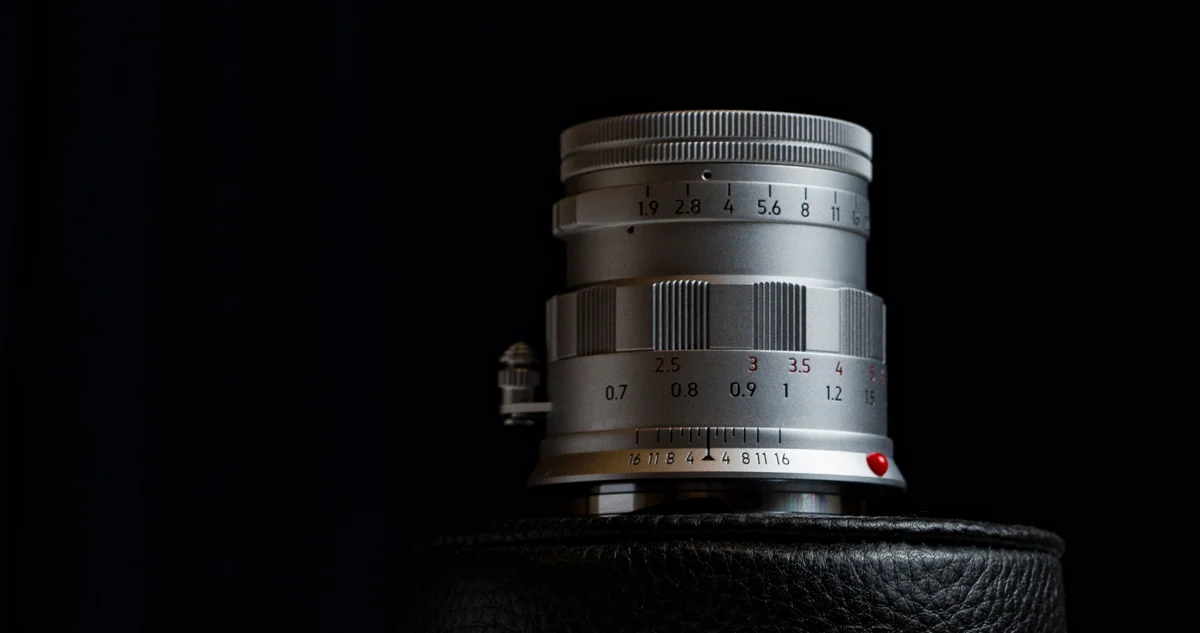
And Light Lens Lab came with a new release, the 50mm f/1.9 ZS6. A few months ago I wrote an announcement blog about it.
Two months ago I got a message from Light Lens Lab, asking if I could review this lens. As a 50mm enthusiast, I could not say no. Light Lens Lab won't pay me for this review nor give me this lens and they won't see this review (and YouTube video) until it is live.
TL;DR
Strong color due to the relatively simple lens design. Strong character. It's an easy recommendation for those who are looking for a new tool in their toolkit, giving a vintage rendering without the risks of buying a vintage lens when it comes to haze, scratches, oily aperture blades and so on. Build quality is terrific, aperture clicks are clean and the body feels good. Build quality is on par with Thypoch and nearly as good as Voigtländer.
Use the discount coupon code "LEICALENSLIST" for 5% off, bringing the price to 680 Euros, or USD 760. Check the lens out at the Light Lens Lab store.
The story of this blog
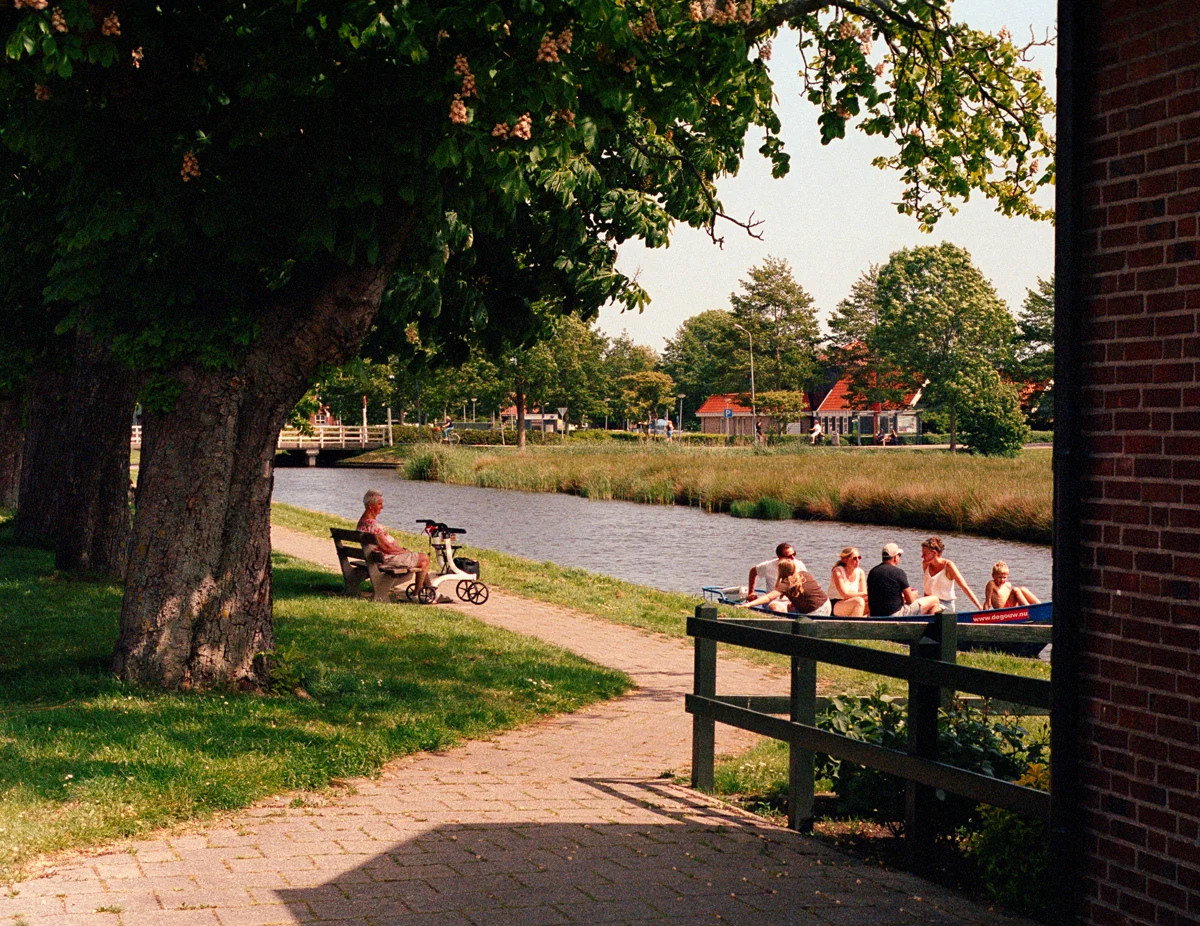
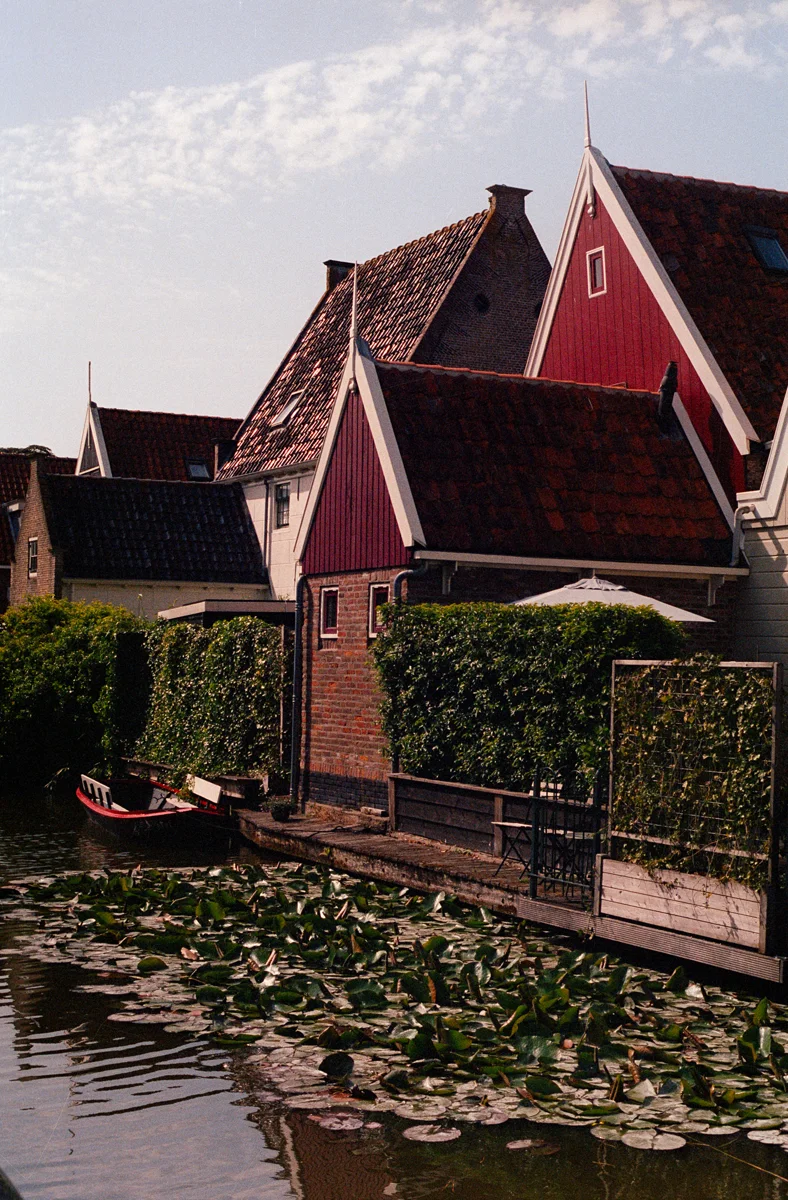
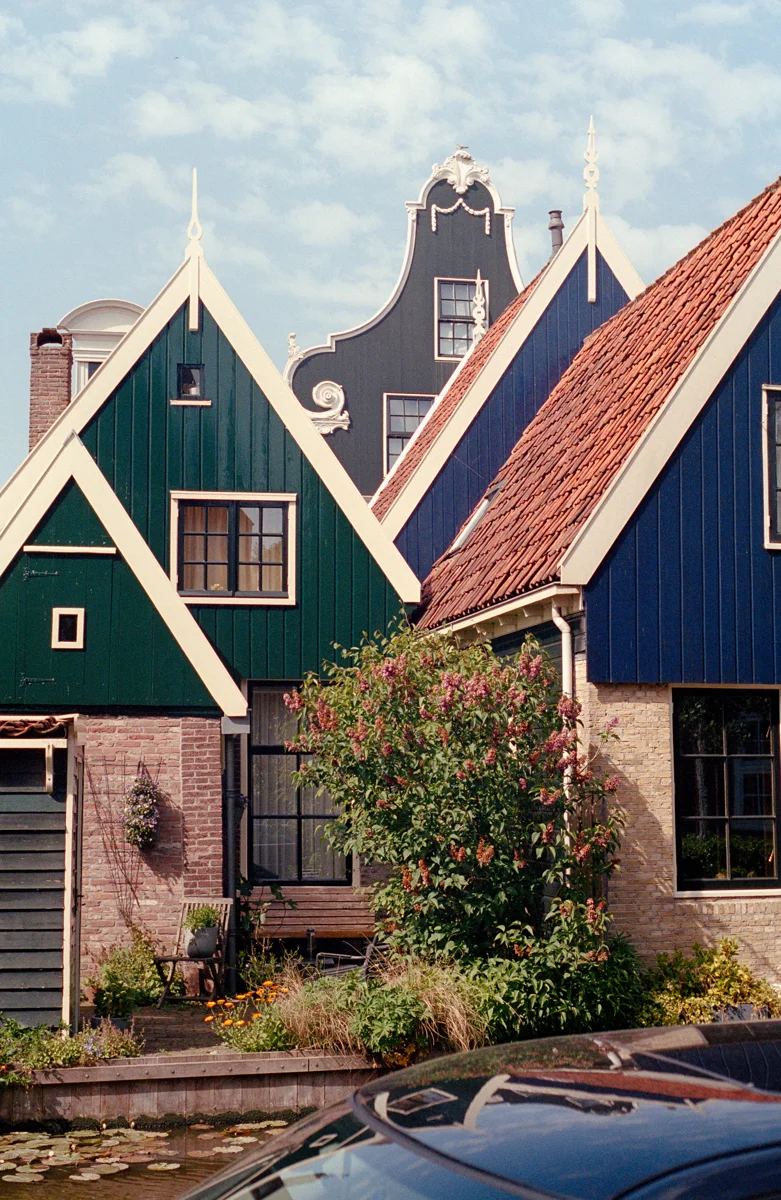
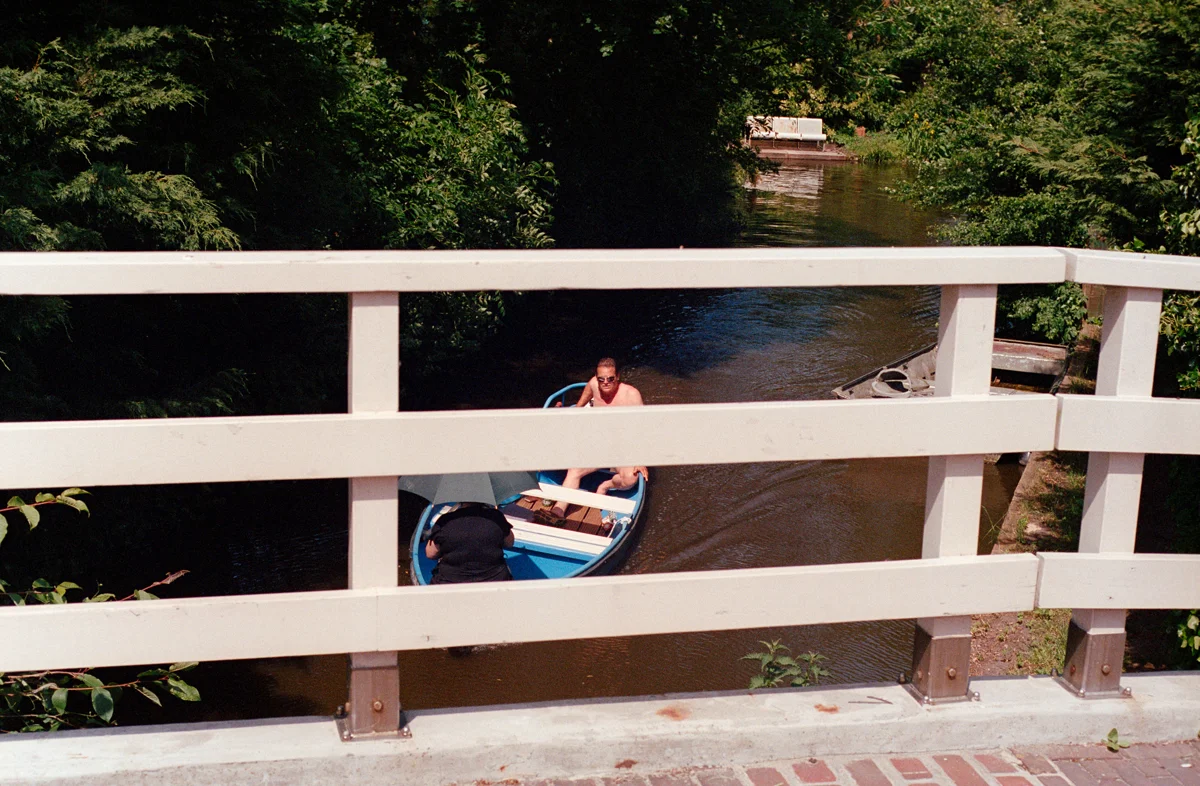
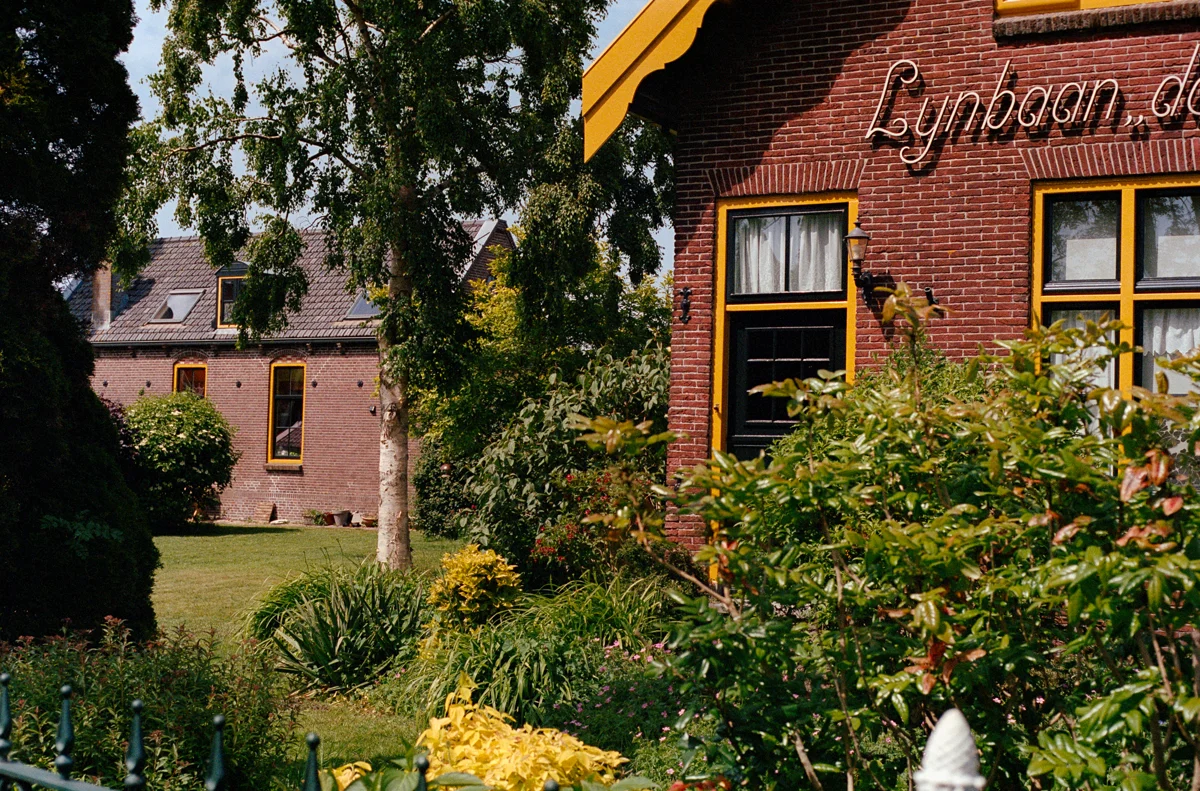
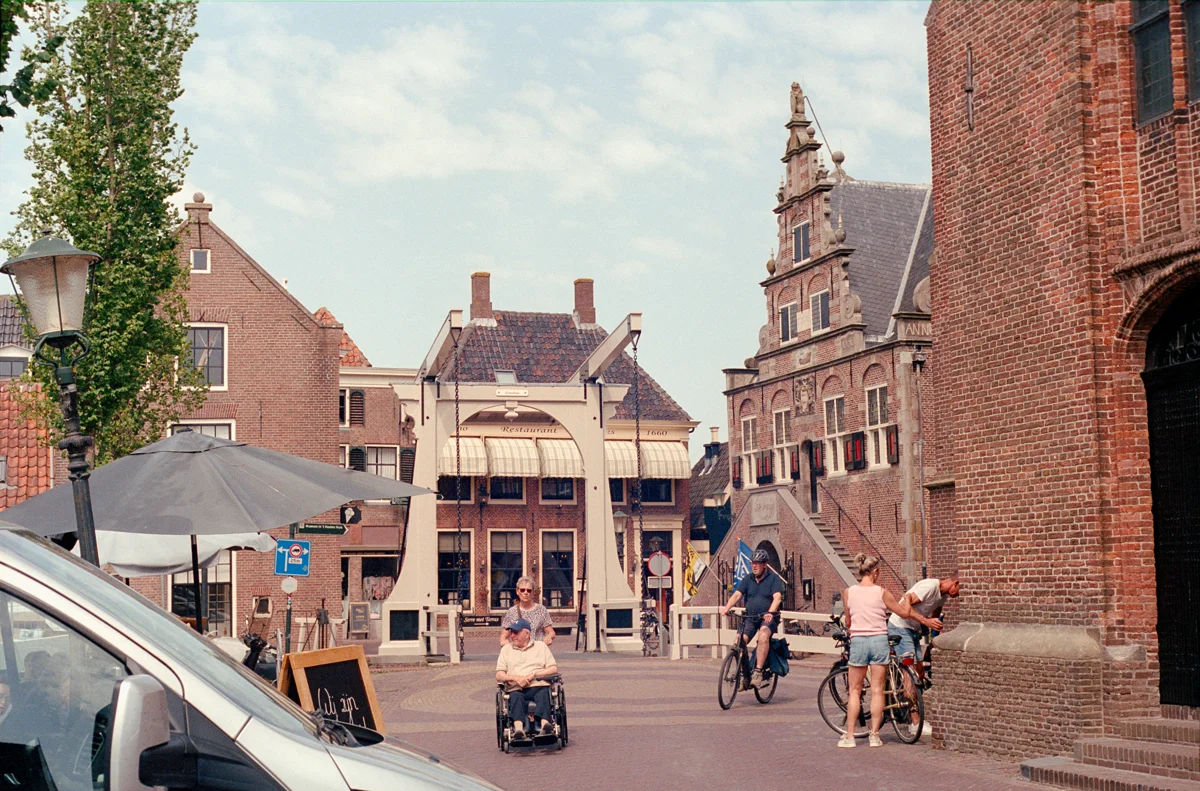
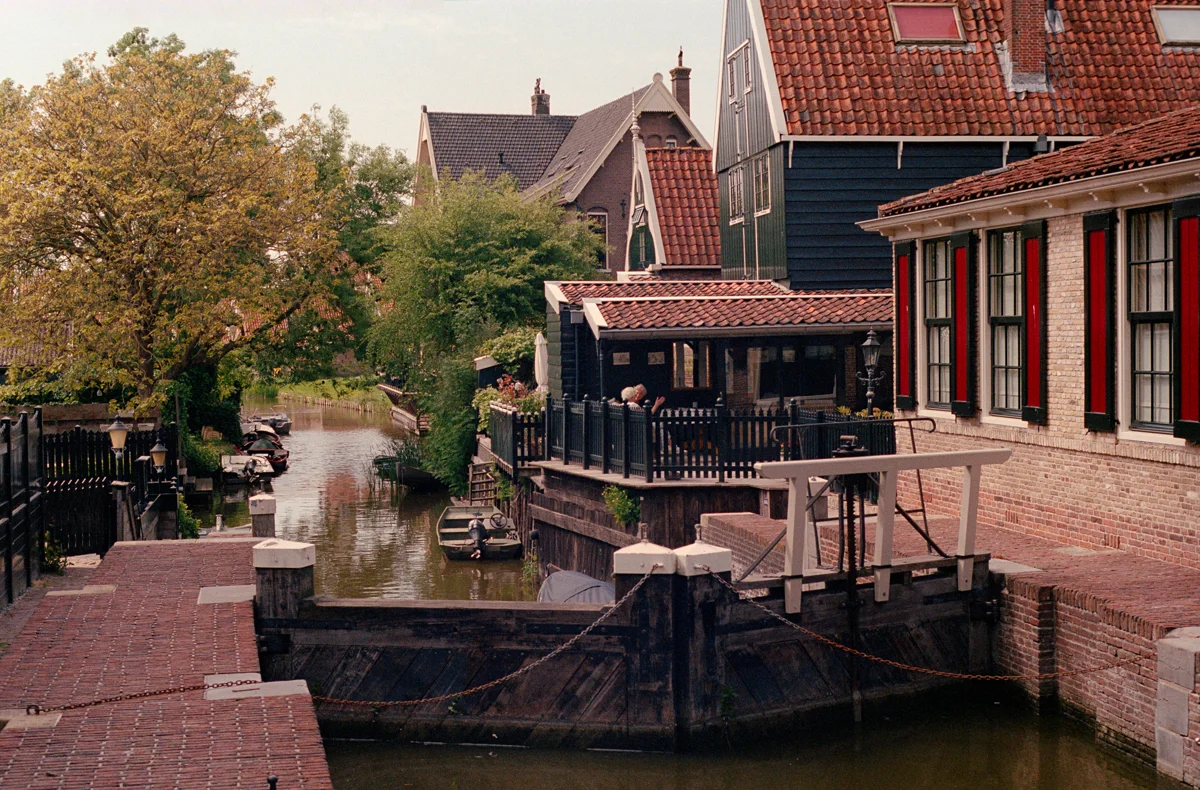
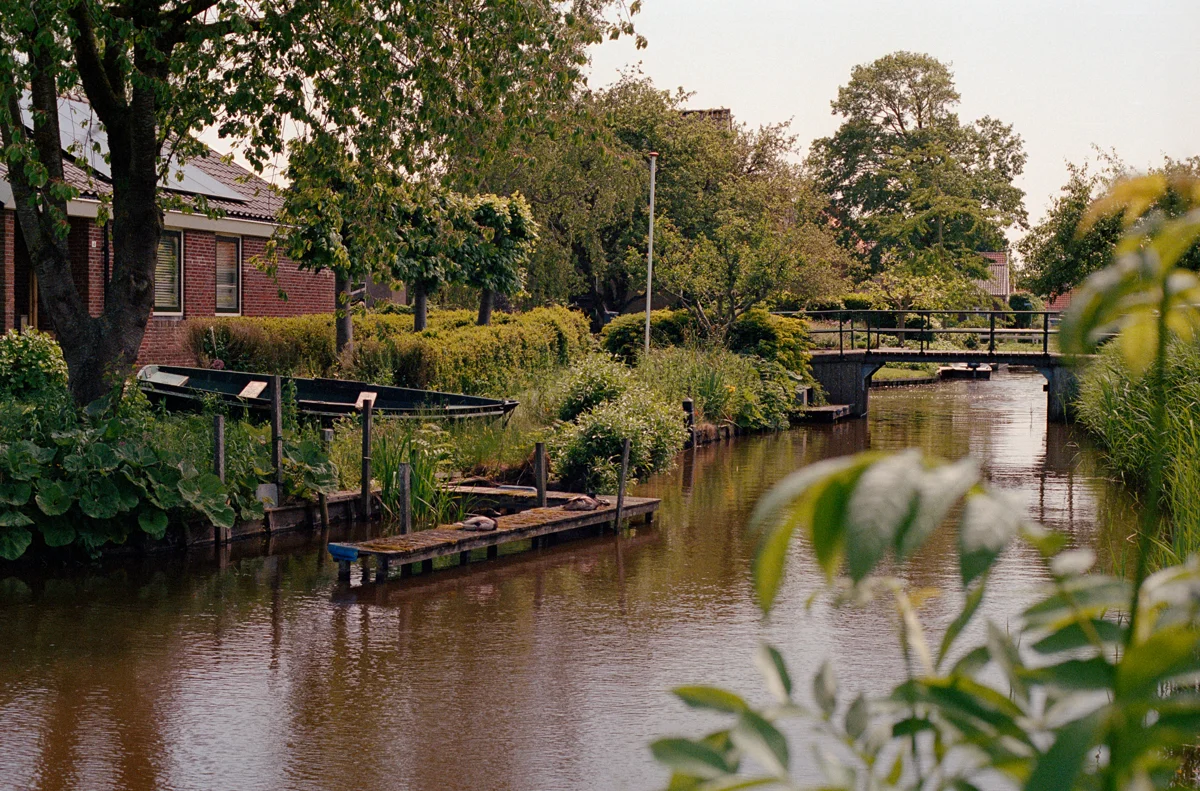
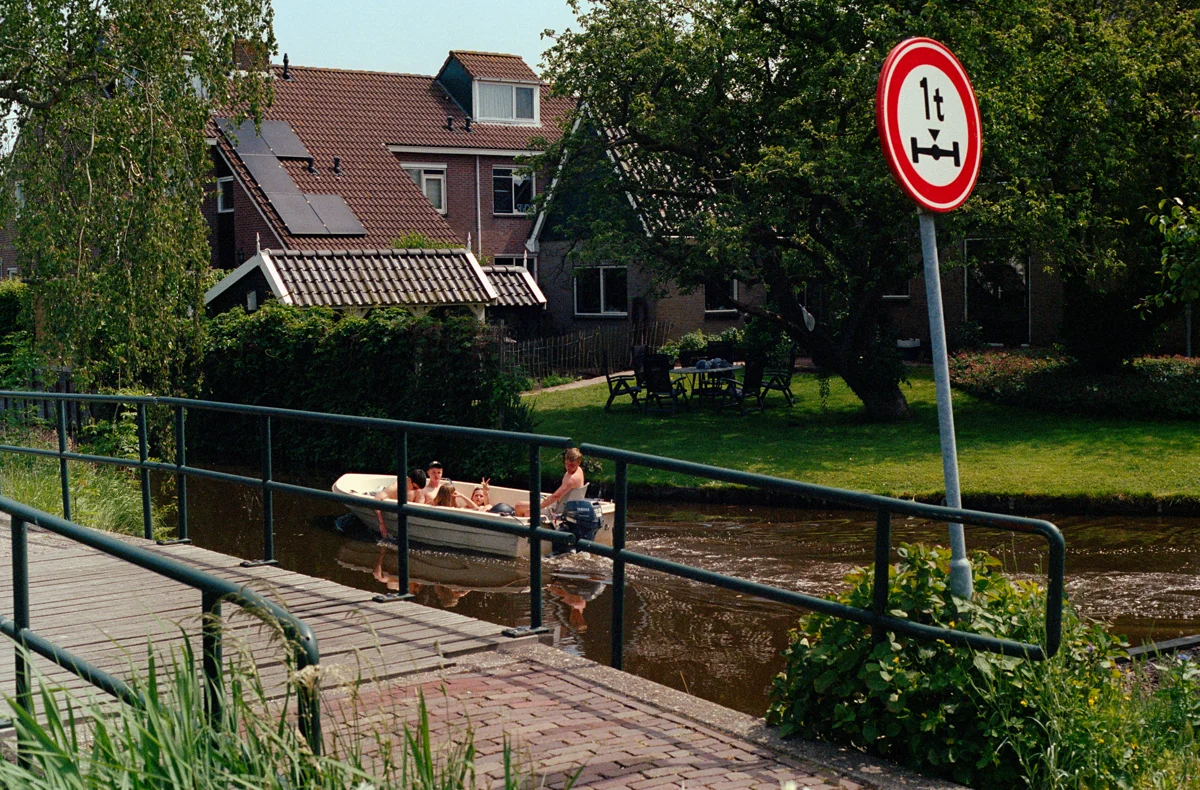
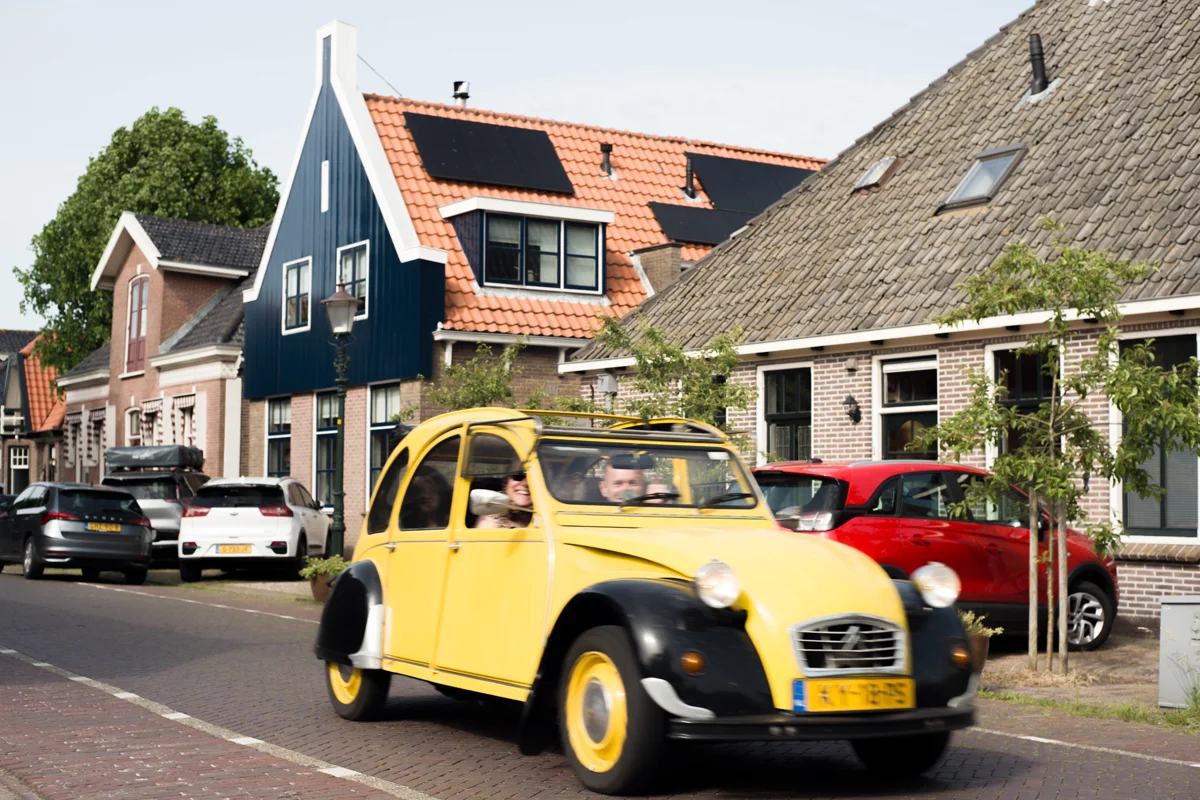
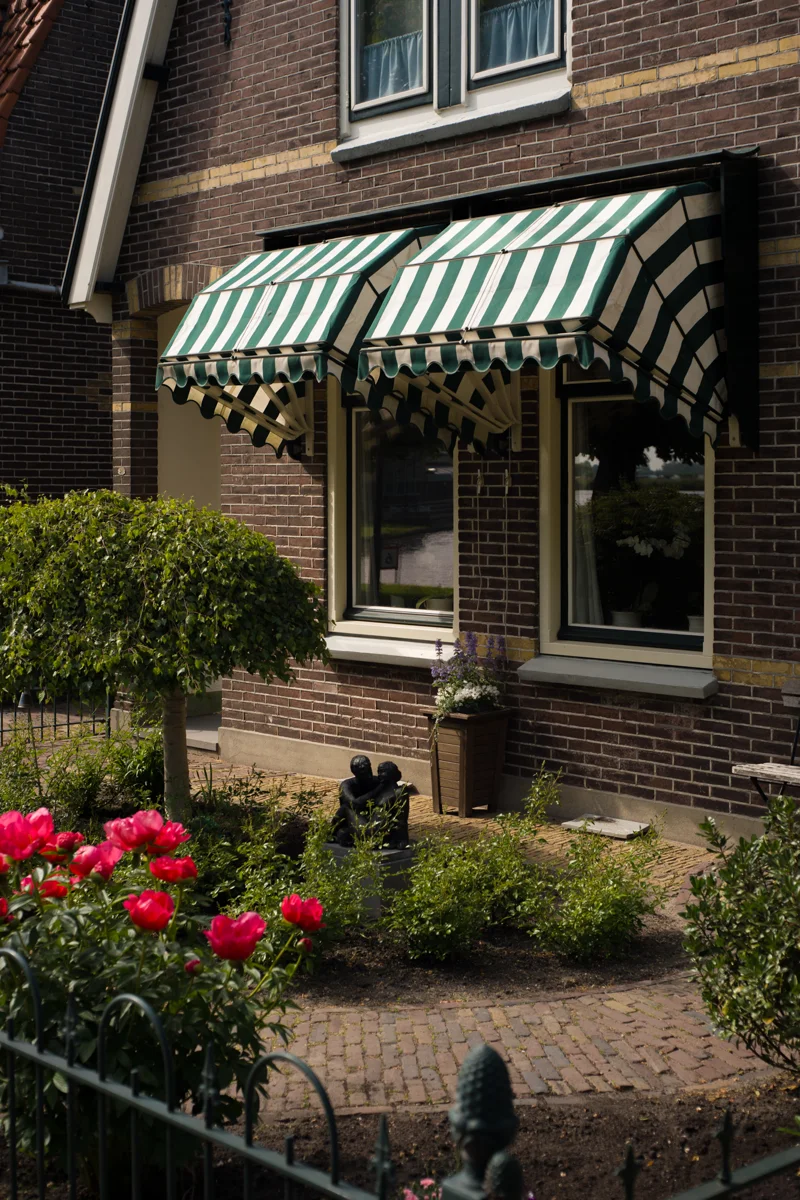
For this review, I went to De Rijp, a town in the north west of the Netherlands. De Rijp began as a small settlement on the former Schermereiland and became independent from neighbouring Graft in 1605. During the 17th century, it flourished through herring fishing, whaling and maritime trade. Its historic prosperity remains visible in the beautifully preserved town centre, wooden houses and famous town hall where often people get married. Especially the whaling part is what made this town prosperous in the Golden Age of The Netherlands. This town is easily reachable by public transport from Amsterdam.
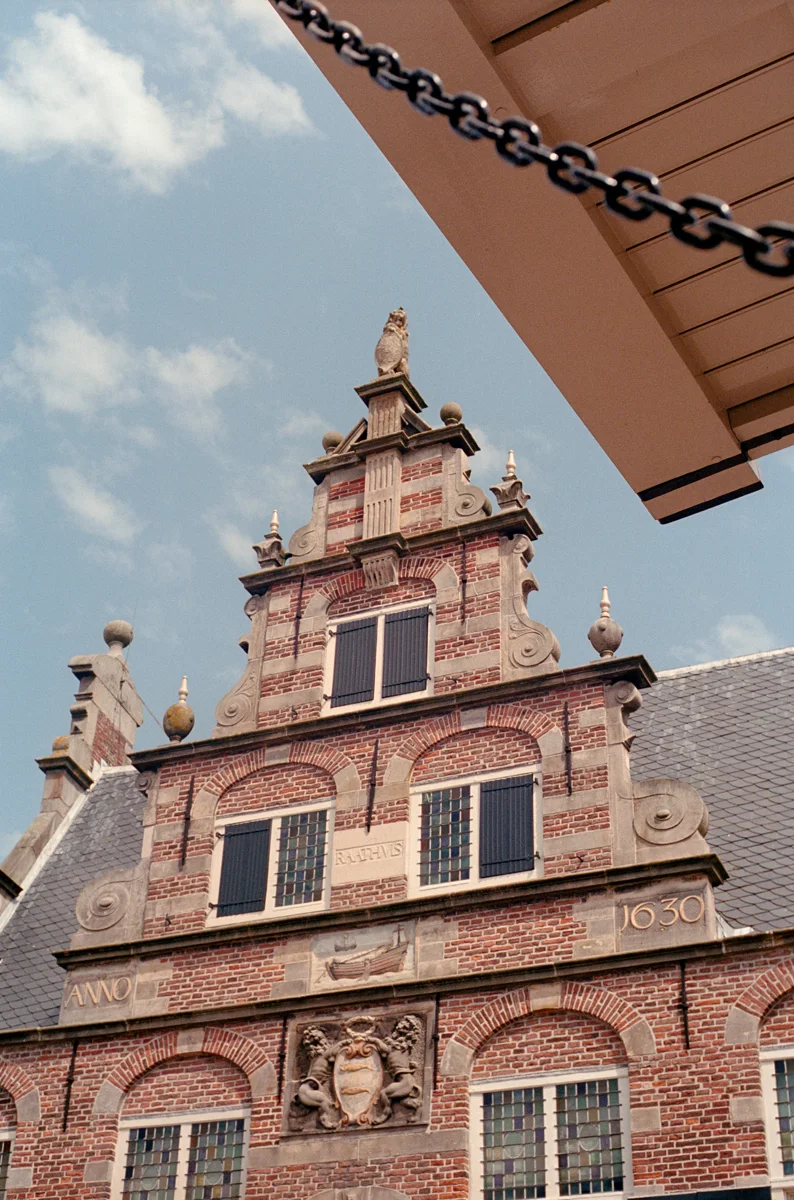
Near de Rijp, there's also a town called Graft. All shot on this lens!
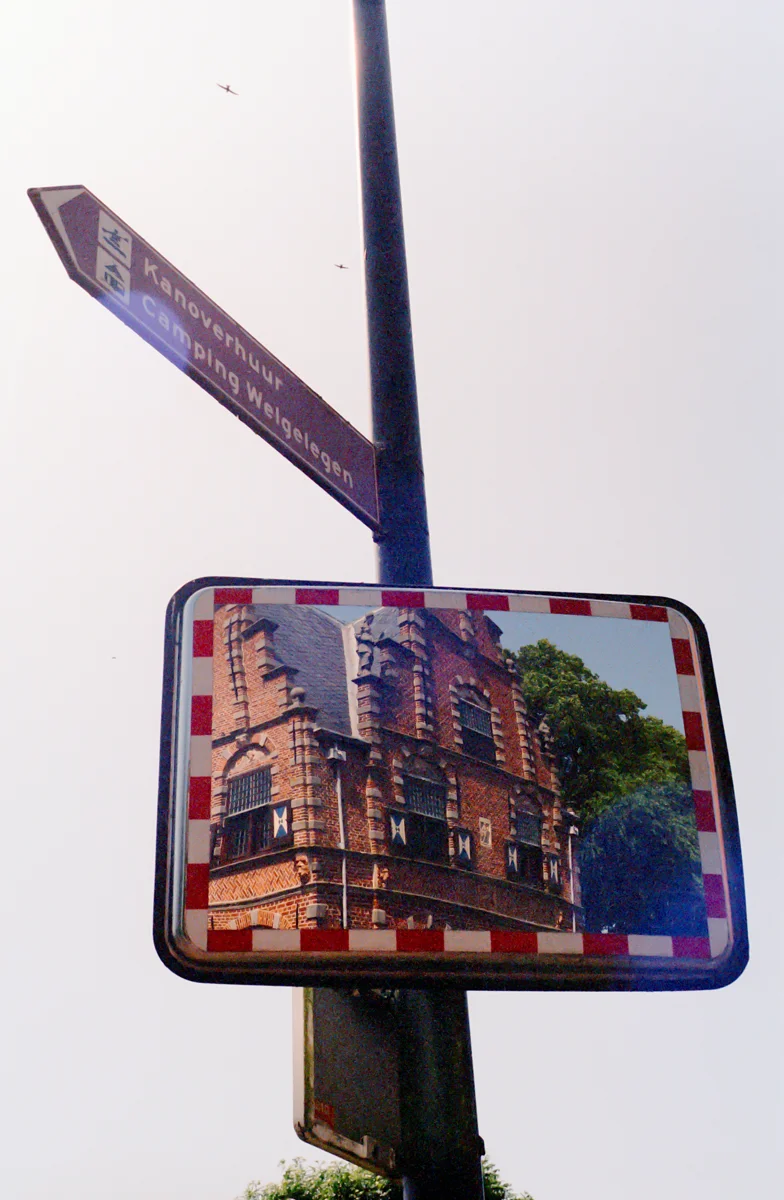
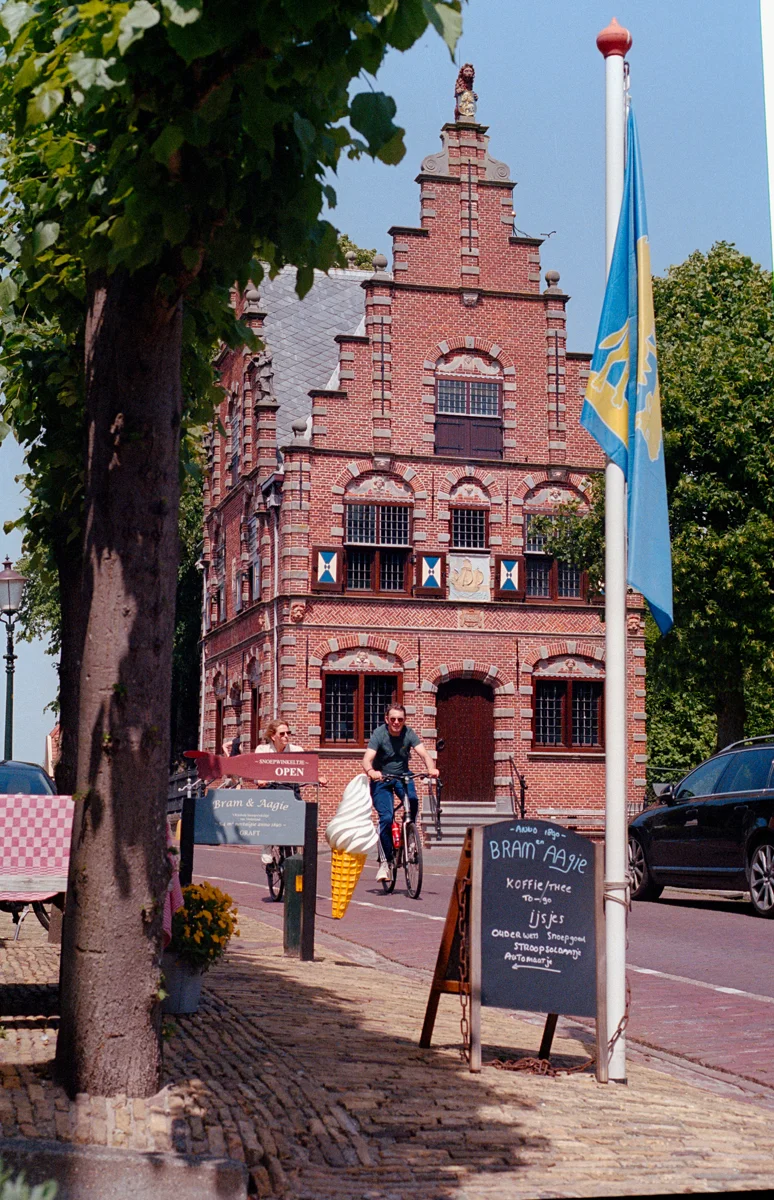
It's incredible to see and most of this will certainly be visibly in my images I will share on this blog post.
- youtube video will come soon, so make sure to subscribe to my channel if you're interested! -
History
About the lens, it's inspired by the "Super-Six" anastigmat (2 inch) optical design, which was made by a british Company (J.H. Dallmeyer) founded in 1860. At first when I did research I could not find a lot about this lens. Let alone about Dallmeyer, that was even more difficult to find information about!
Dallmeyer was born in Prussia [1]. On coming to London, he worked for the optician Andrew Ross and later married Ross' daughter.
The 1953 Ilford Witness interchangeable lens rangefinder camera did come with a unique bayonet lens mount. This also included the Dallmeyer Super Six lens. There were only 350 cameras made, sadly that wasn't a success as according to Mike Eckman, it was a great design.
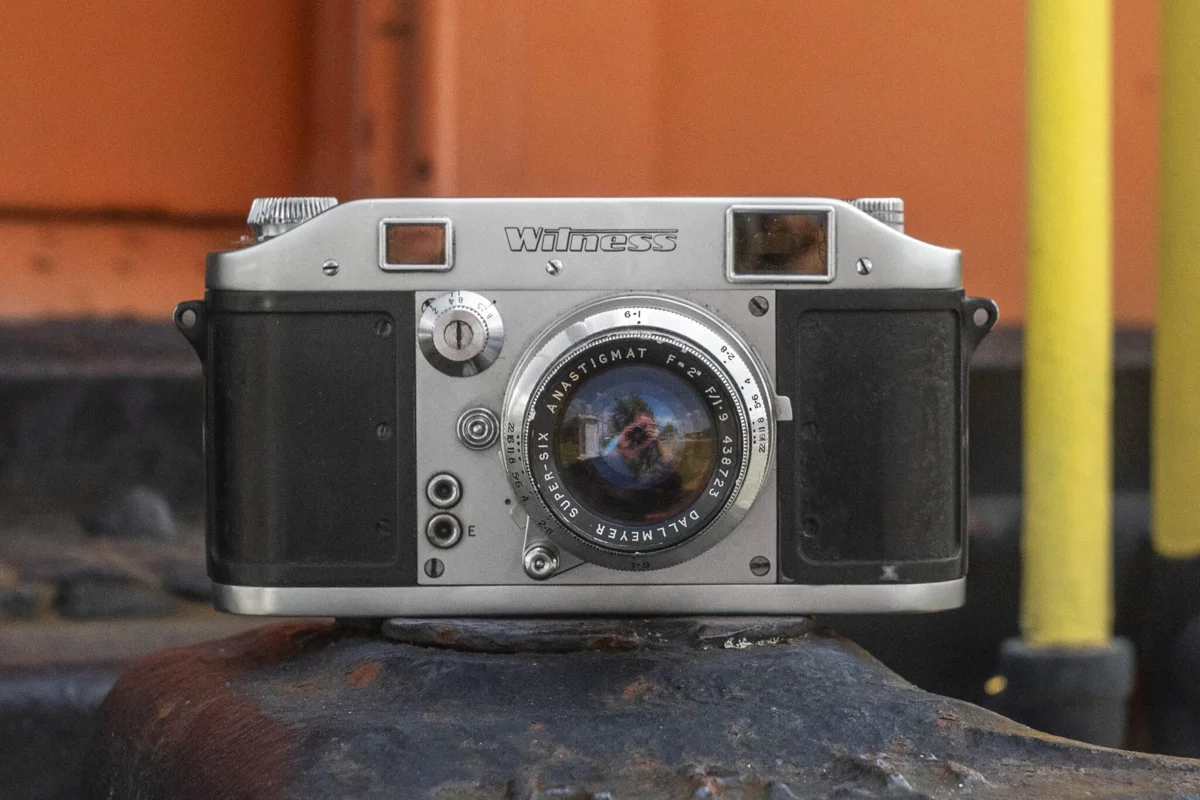
The name "Anastigmat" as like the original design depicted means it's designed to eliminate astigmatism and curvature of field.
In the early days of photography, older lenses (like aplanats) were highly susceptible to astigmatism. This meant that if the center of a photo was in crisp focus, the edges and corners would stretch into blurry, smeared lines.
The early anastigmat lenses often required bright daylight. What makes this lens legendary is that it was one of the very first fast lenses, which achieved a ground-breaking massive maximum aperture of f/1.9. The Super-Six was Dallmeyer’s direct answer to the Taylor-Hobson Opic series. Taylor-Hobson (another iconic British manufacturer) had shocked the world with its fast f/2 Opic lens.
It achieved this speed by utilizing a highly complex design for that time, called Double-Gauss.
Today, original Dallmeyer Super-Six lenses are very rare, highly collectible and and very sought after by cinematography and portrait enthusiasts. They're famous for their unique, swirling, "painterly" bokeh and glowing vintage rendering. The name "Super-Six" is based on the lens design which consists of six elements in four groups, made with extremely expensive rare earth glasses. [2]
Often they can be found rehoused in Leica M mount or in Arri PL-mount for high end cinematography.
Price
The Super-Six 50mm f/1.9 comes at 714 Euros or USD 799. In my opinion this is great value, as you're buying a homage to an older design with optimisation for digital sensors. And not only that, if you're buying vintage lenses with similar rendering, they often have coating damage, mold, fungus and other problems.
Use the discount code "LEICALENSLIST" for 5% off, bringing the price to 680 Euros, or USD 760.
Rendering
This is a soft lens. And that's okay, as you know what you buy. But you got to lean into that softness. You're looking at this lens if you want to capture emotion in an almost cinematic-like way, however cheesy this sounds. There's glow wide open, even until f/4. There's field curvature. Plenty of character. There's chromatic aberration, although for a f/1.9 lens this is well controlled.
If you're expecting modern rendering, this is not the lens for you.
There are two options available by Light Lens Lab. The lower contrast and a high contrast version, respectively noted by the star (\R-Super-Six*) and non-star (R-Super-Six) markings.
It is generally recommended to get the lower-contrast version if you shoot digital. This variant preserves greater highlight and shadow detail, emphasizing the original "Super-Six" character with a more film-like tonal separation. The standard version probably works best with film, especially if you do darkroom printing rather than scanning, but this may vary. Also, the Standard version has more micro-contrast. It's best to decide for yourself, at the bottom of this blog post you can see examples posted by Light Lens Lab.
I did my tests with the standard version and all the images shot throughout this review are done with that lens.
I do recommend getting the the lens hood that fits on this lens This lens is rather prone to flaring when the sun is just out of the frame, even on the high contrast version I've been shooting with. An example below, forgive me for slightly missing focus at f/1.9, not easy on a moving cat on the floor.
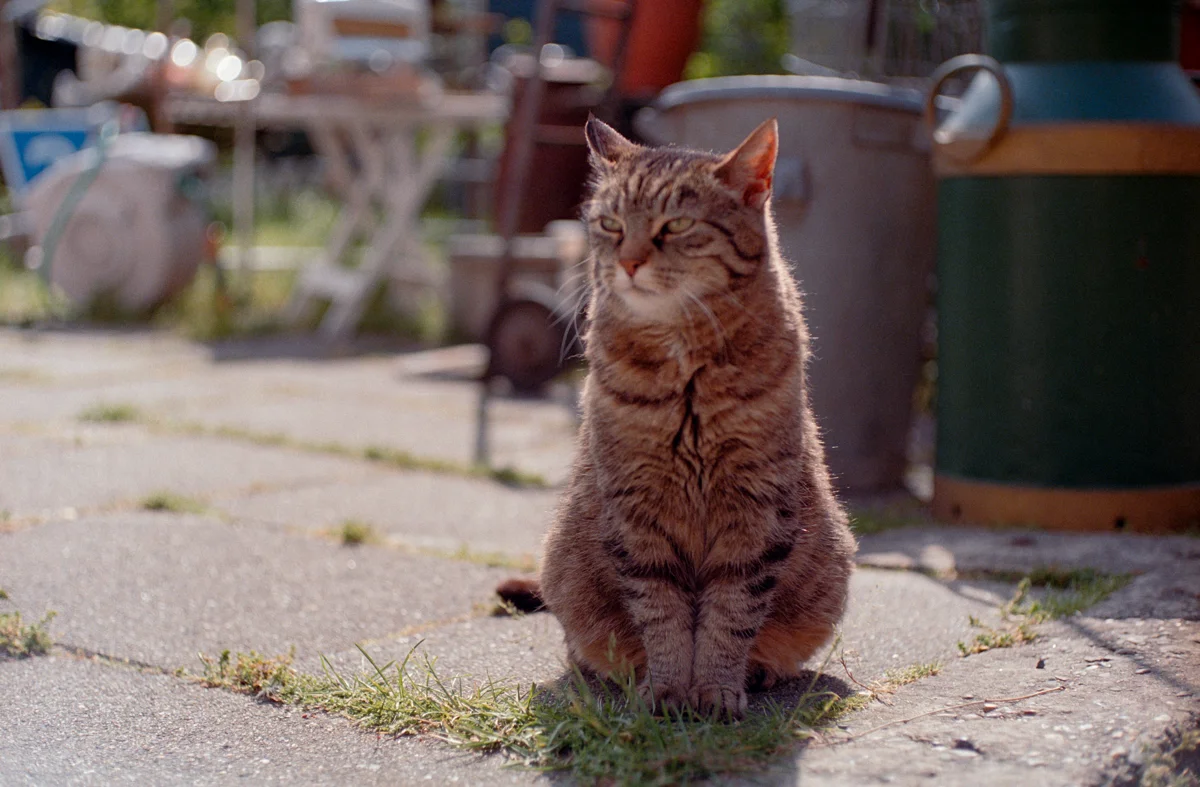
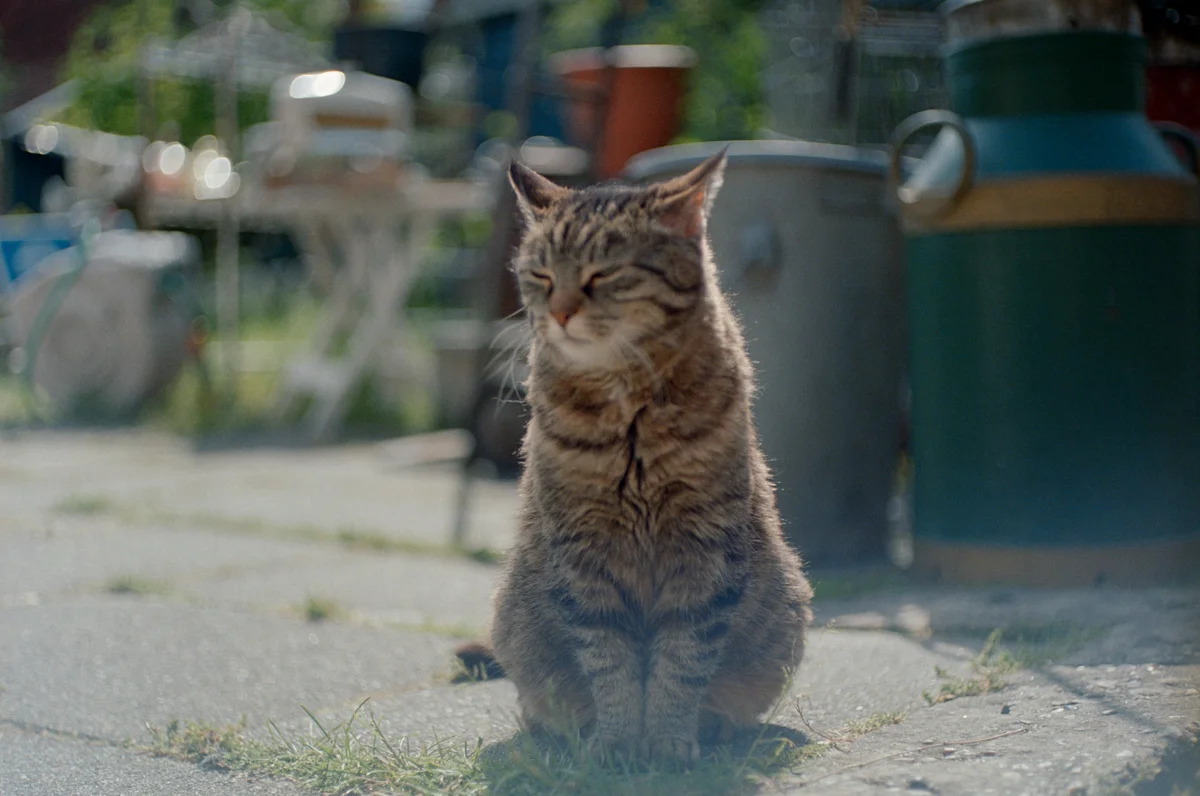
There's a painterly quality in the images produced by this lens that modern lenses do not have, especially at further focus distances. When using this correctly, it can generate Renaissance-like images when you layer your images well! If you're looking for a lens that can evoke emotion, this is actually a really strong contender.
A little bit later that day, I thought: I really want to shoot a portrait. I'm a relatively shy person, so it's not easy to approach someone to ask to take a portrait, let alone ask if I'm allowed to share it on social media. I went across a small store in de Rijp that sells Chinese ceramic tiles. With my interest in Chinese art, I was taking a look, talking to the owner(s). Very nice people! Mustering up all the courage I had, I decided to ask one of the owners if I could take a portrait in her tile shop. "Of course, but let me wear my nice dress!"


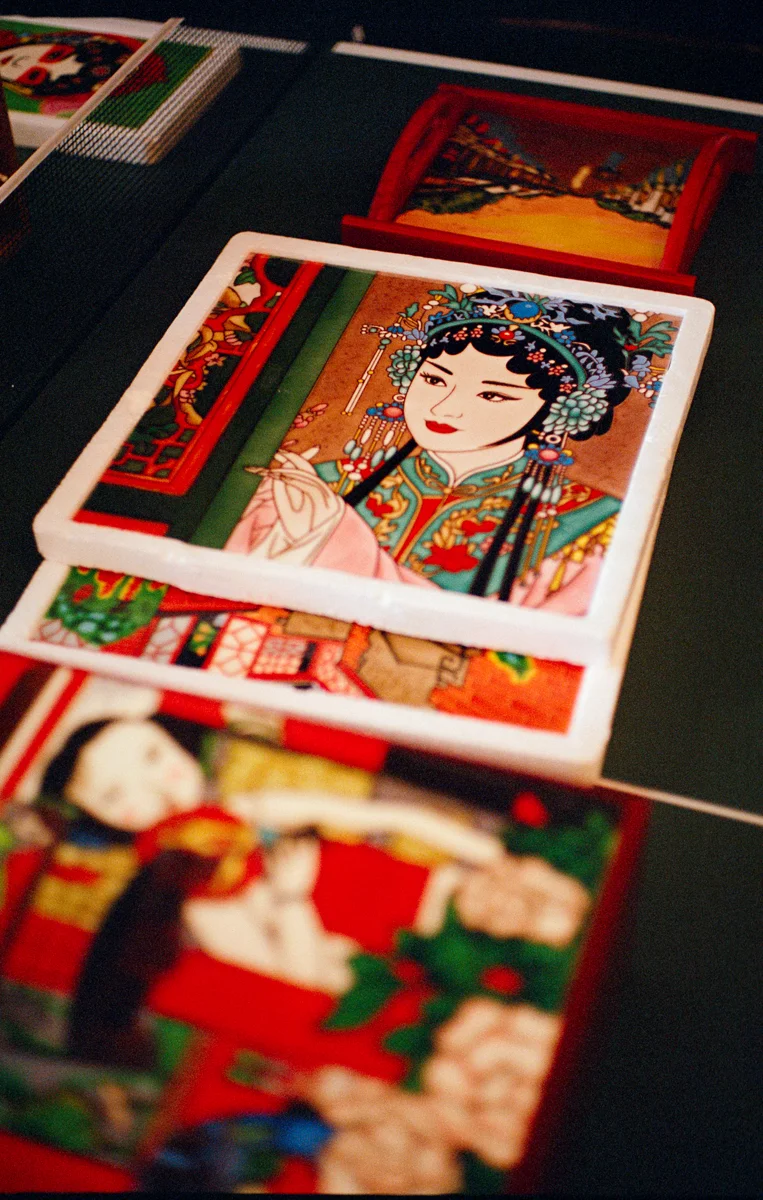
Like the tiles? In de Rijp, this shop is on the Rechtestraat close to restaurant Oudejans.
Bokeh
There's swirly bokeh. It's not that strong as the Helios-44 58mm f/2, but still very nice and mostly noticeable when shooting a subject from close by and at maximum aperture. It's soap-bubble-y (has cat-eye highlights) as you can see in the cat example above. In the center, the highlights are more rounded, and towards the edge it is busier. It can really draw in the viewer!
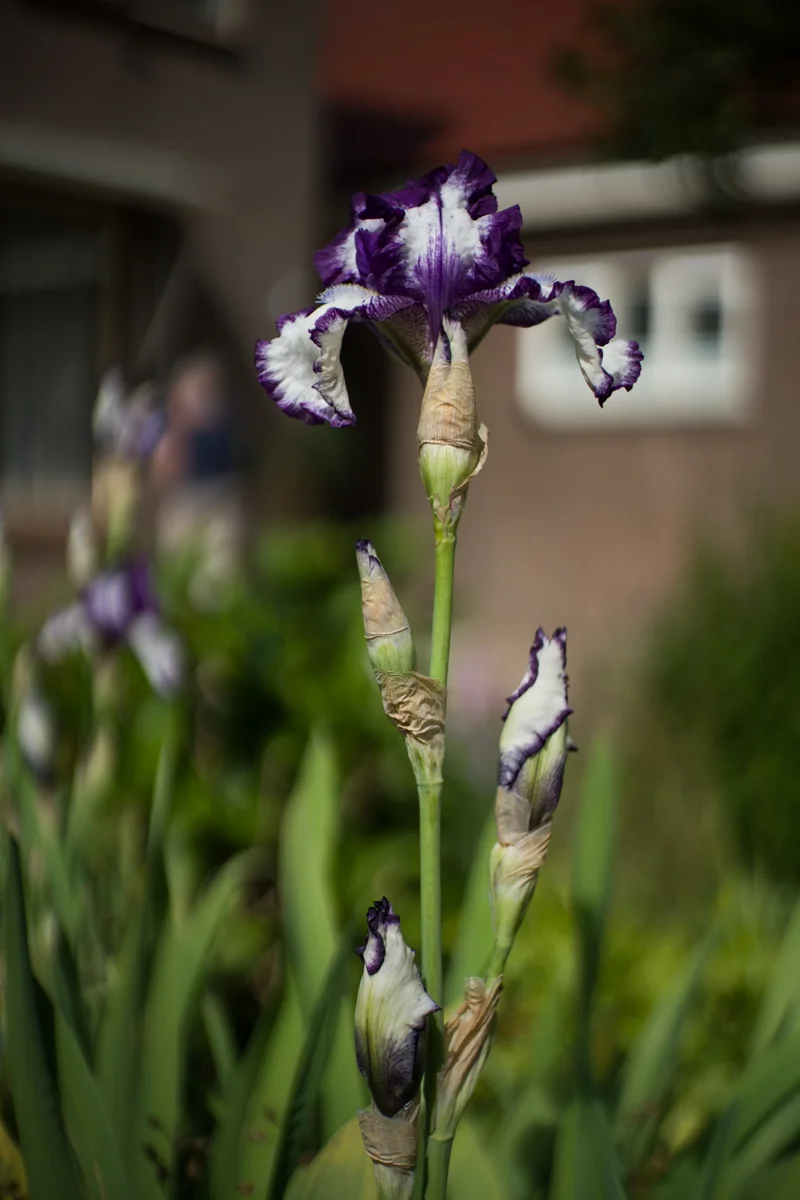
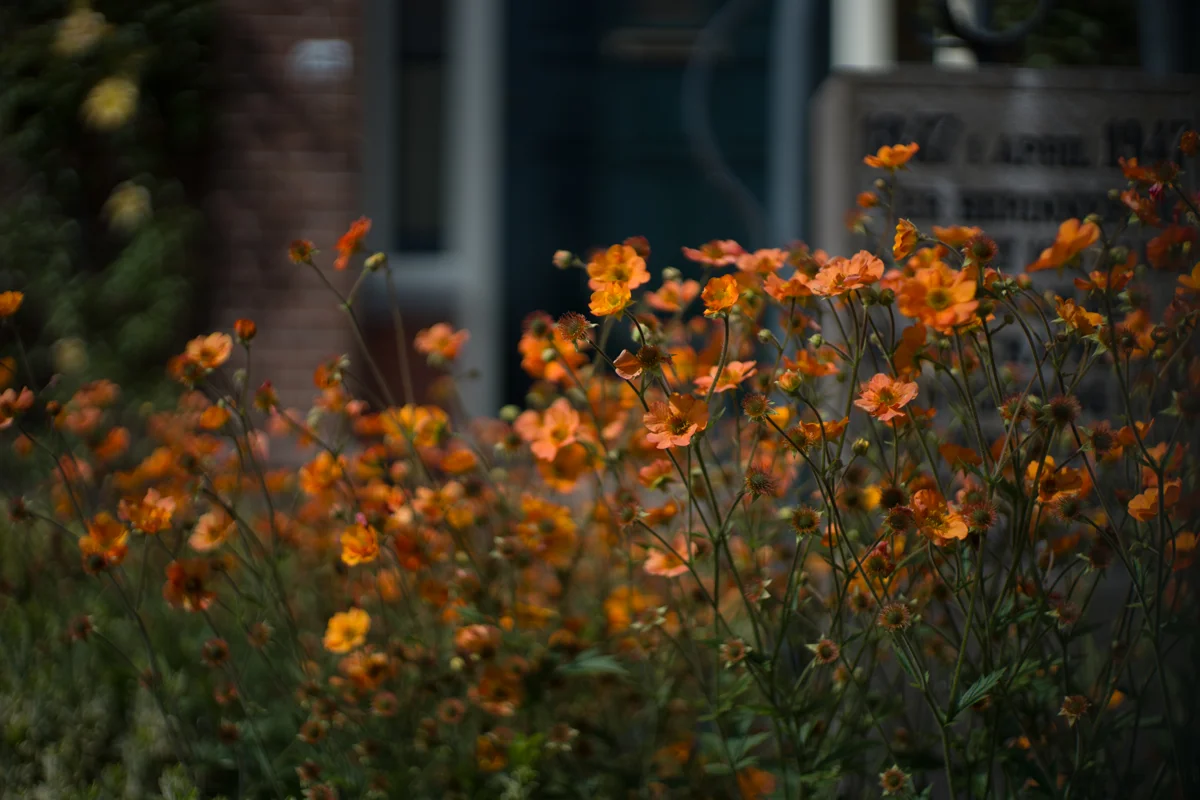
This is called optical vignetting, which is a distinctive rendering characteristic for this lens. This is very clear if you have a busy background, i.e. shooting flowers or nature close-ups. The aperture’s 11 concave blades form a circular iris with a pronounced scalloped profile at smaller f-stops.
[aperture blades image]
The great thing is that this lens does not have any aspherical elements. Aspherical elements often correct for chromatic aberation; but often introduce more busy bokeh, a good example is the well known Voigtlander Nokton 50mm f/1.5 II, or the Voigtlander Ultron 35mm f/2.
Regarding this swirly bokeh effect, it can be recreated only on maximum apertures, and especially if your subject is close by. When focusing further away on f/1.9, there is less swirling, as seen below.

The lens
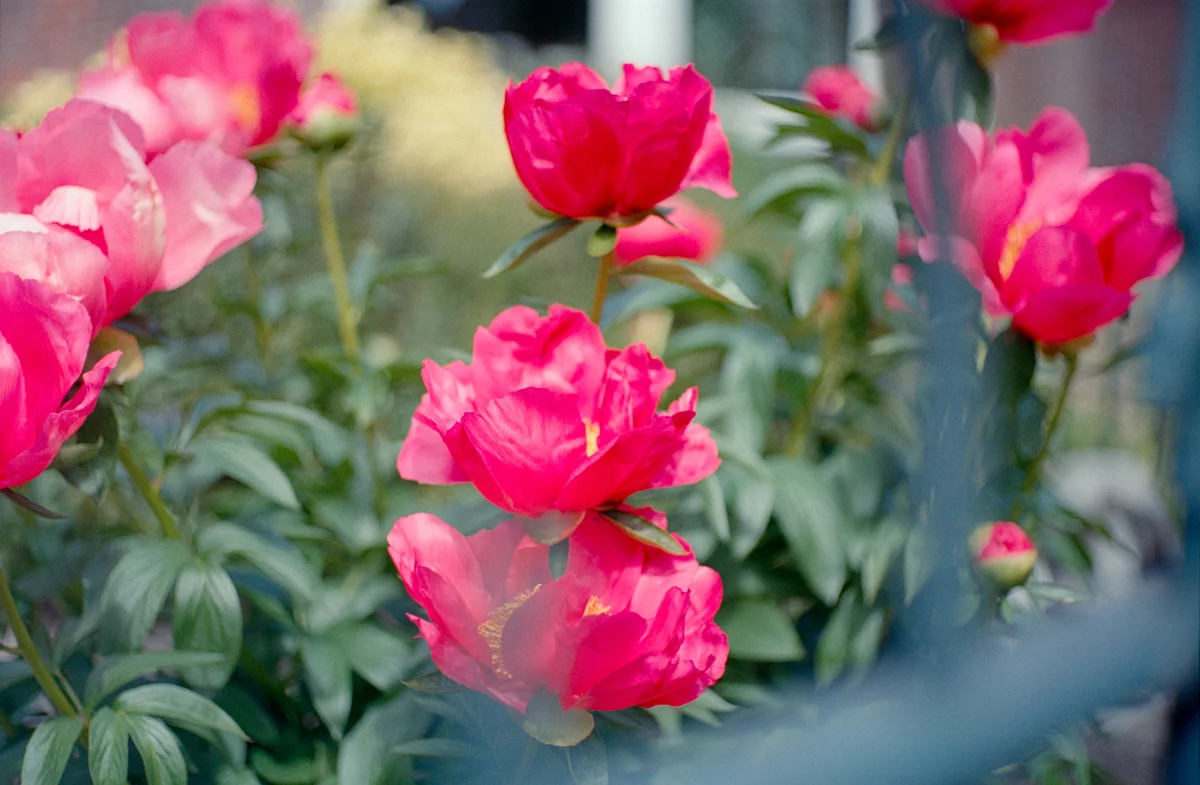
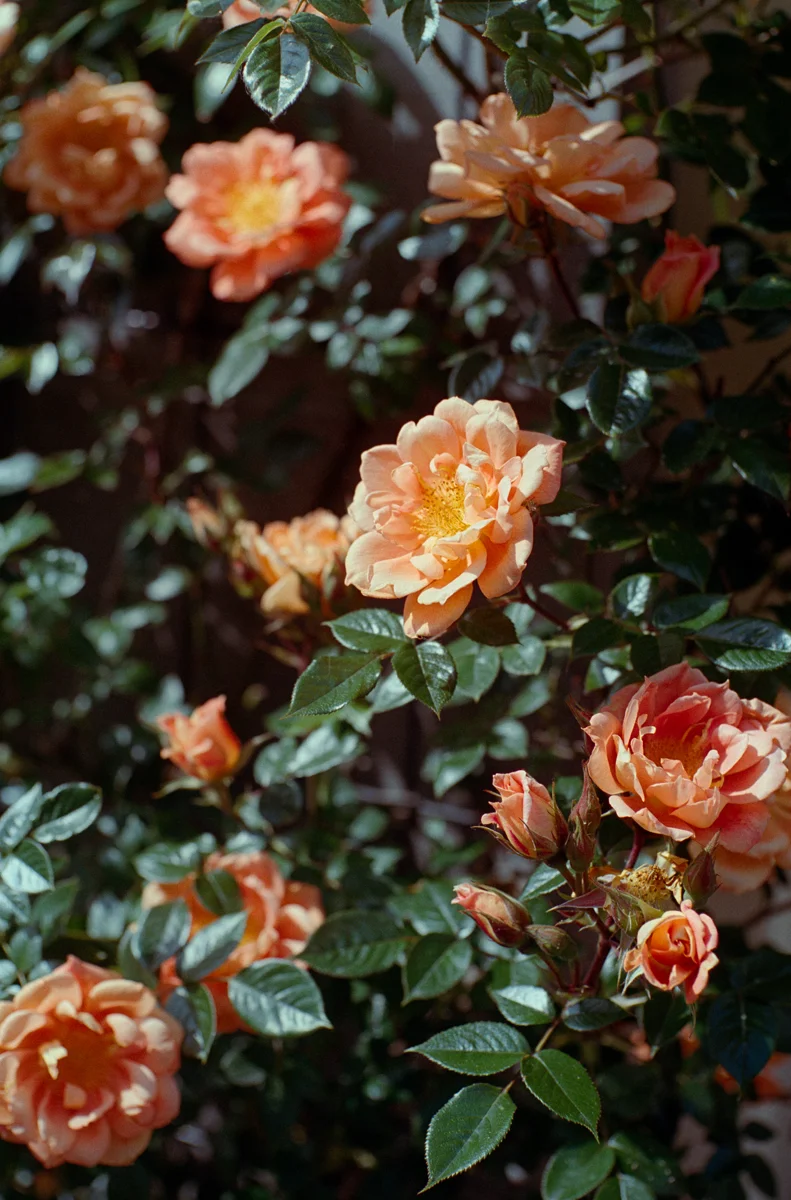
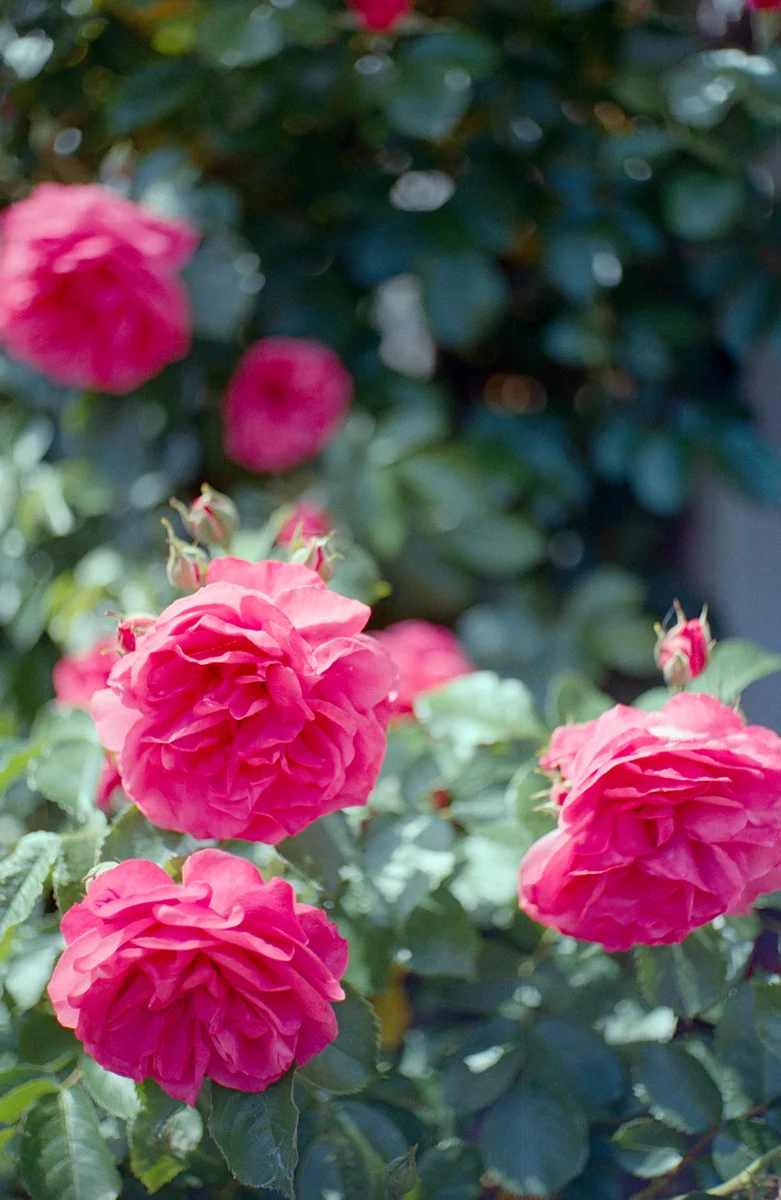
My copy came perfectly calibrated, the roses I shot at minimum focus distance is perfectly sharp.
The body
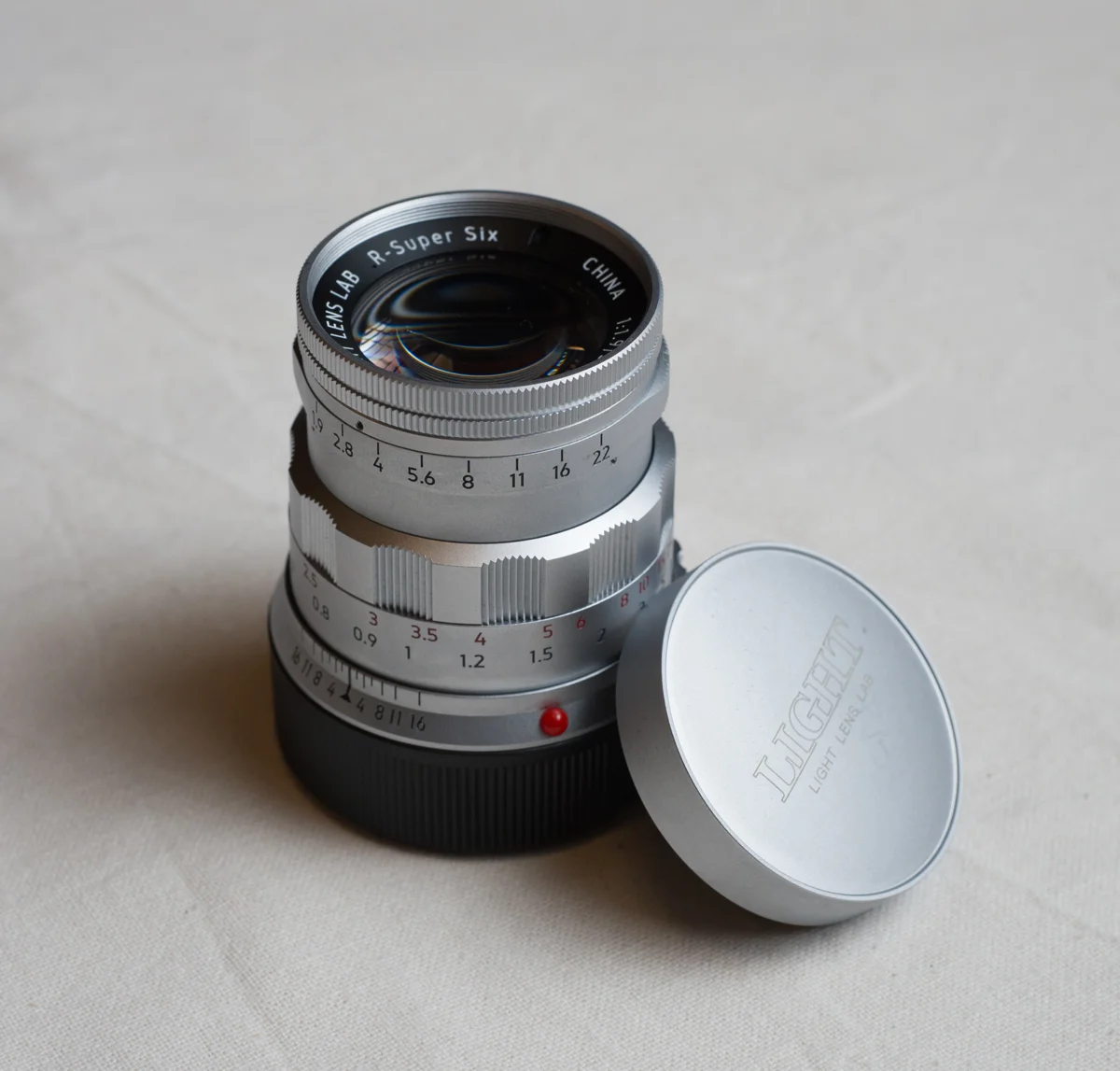
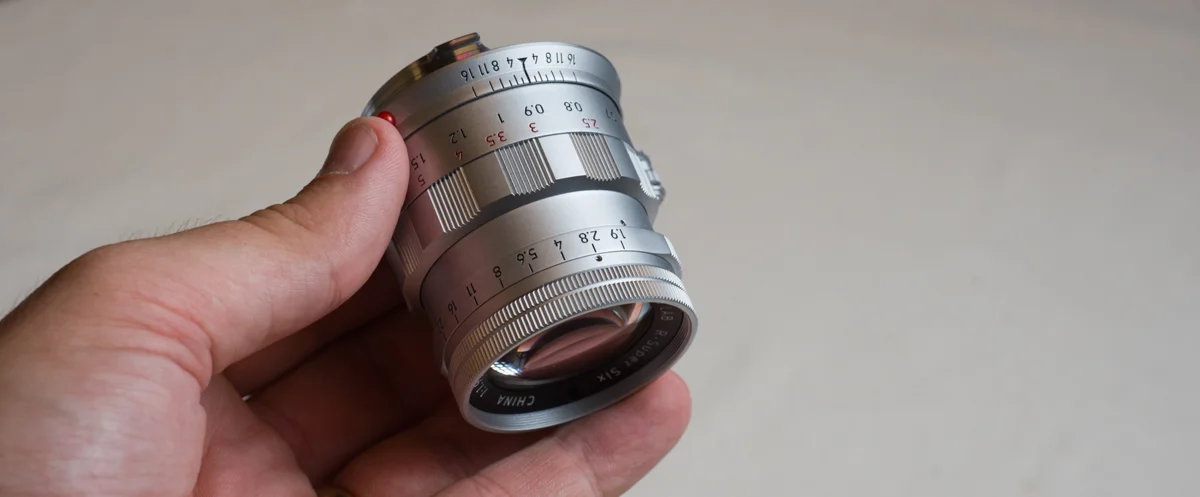
The Summicron 50mm f/2 "Rigid" based design is a re-use of the lens bodies that were used for the Light Lens Lab's 50mm f/2 "Rigid" and the 50mm f/2 "Rigid SP-II". I think this is merely an economies of scale thing and this saves quite some money, as you can see both those lenses as well as the Super-Six are very well priced, between 700 and 800 Euros (750-850 USD). This also means the QC and precision engineering calibration has been done and optimized for this lens body type so I'm all for it!
The one thing that is also faithful to the Summicron 50mm f/2 Rigid is the infinity lock. I understand, although I'm not too much of a fan of it. On rangefinders it might make sense, but when using it on a Sony/mirrorless body, the infinity plane of focus was ever so slightly behind the click of infinity lock. This meant that if I wanted to focus on infinity, I had to push in the infinity lock, otherwise it clicked the lens in ever so slightly past infinity. I still think Light Lens Lab should offer a second "Rigid" (or custom) body version with a manufactured focus tab to improve the experience for their future releases.
Another example of user feedback in general is that Thypoch stopped offering infinity locks on their Simera 28mm and 35mm versions and re-released it with a version two that includes the focus tab.
The lens is made out of brass, with a nice solid 263g weight. Not as light as e.g. a Voigtlander Color Skopar 50mm f/2.2 which is made of aluminum, but the quality of this Light Lens Lab lens feels better. It is more dense, has clearer aperture clicks. The quality and the feel of the lens is similar to the Nokton 35mm f/1.4 II which is a step up above the Color Skopar in build quality.
Packaging
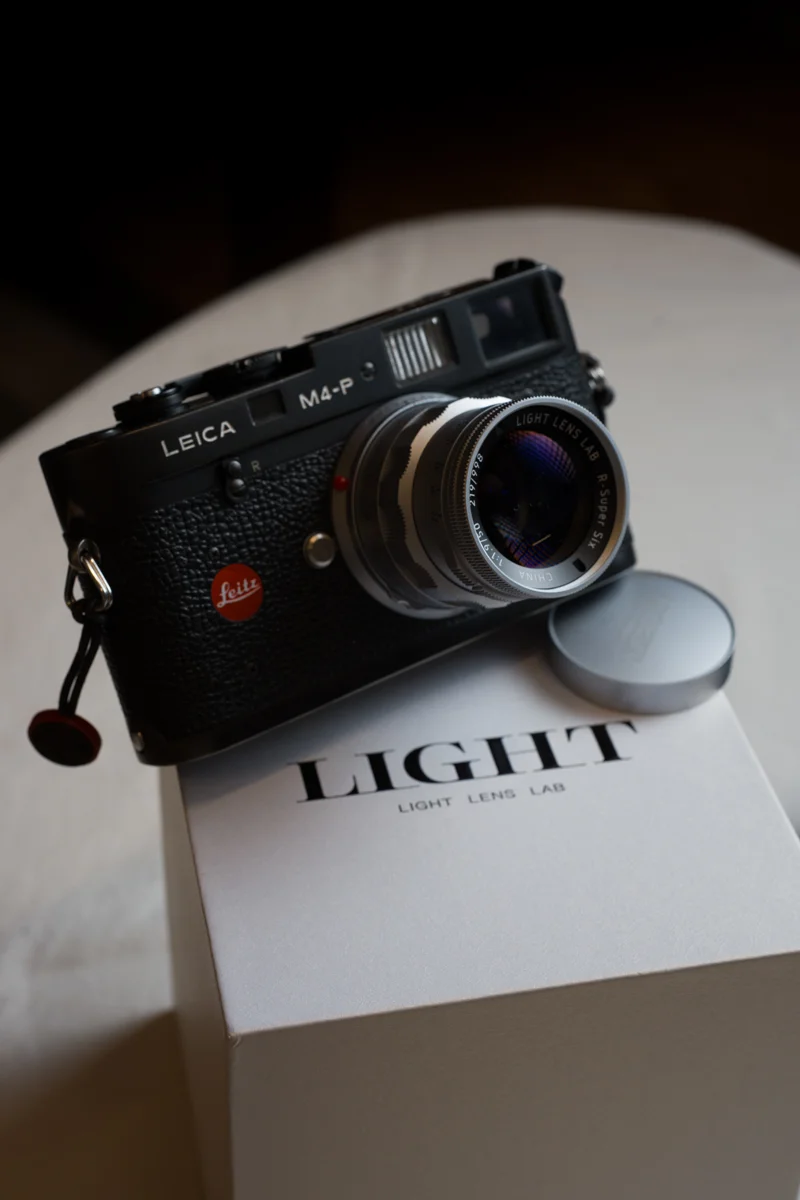
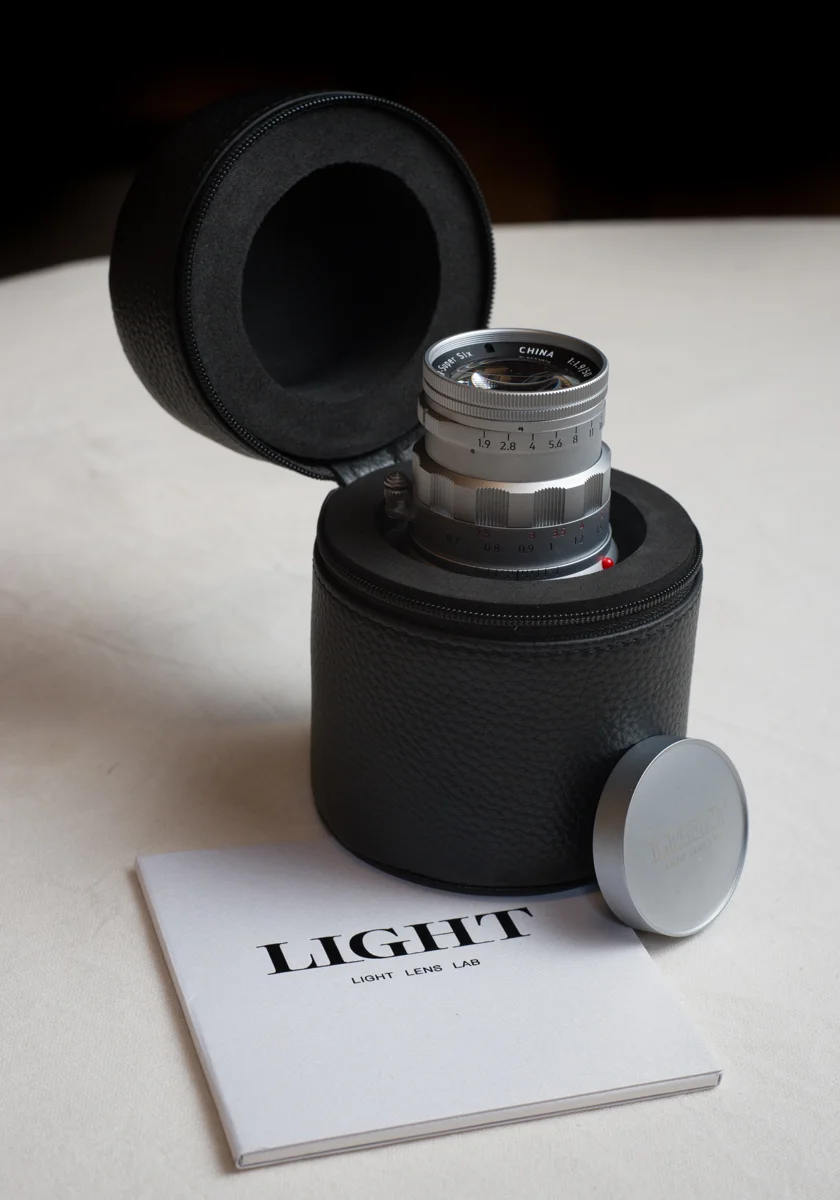
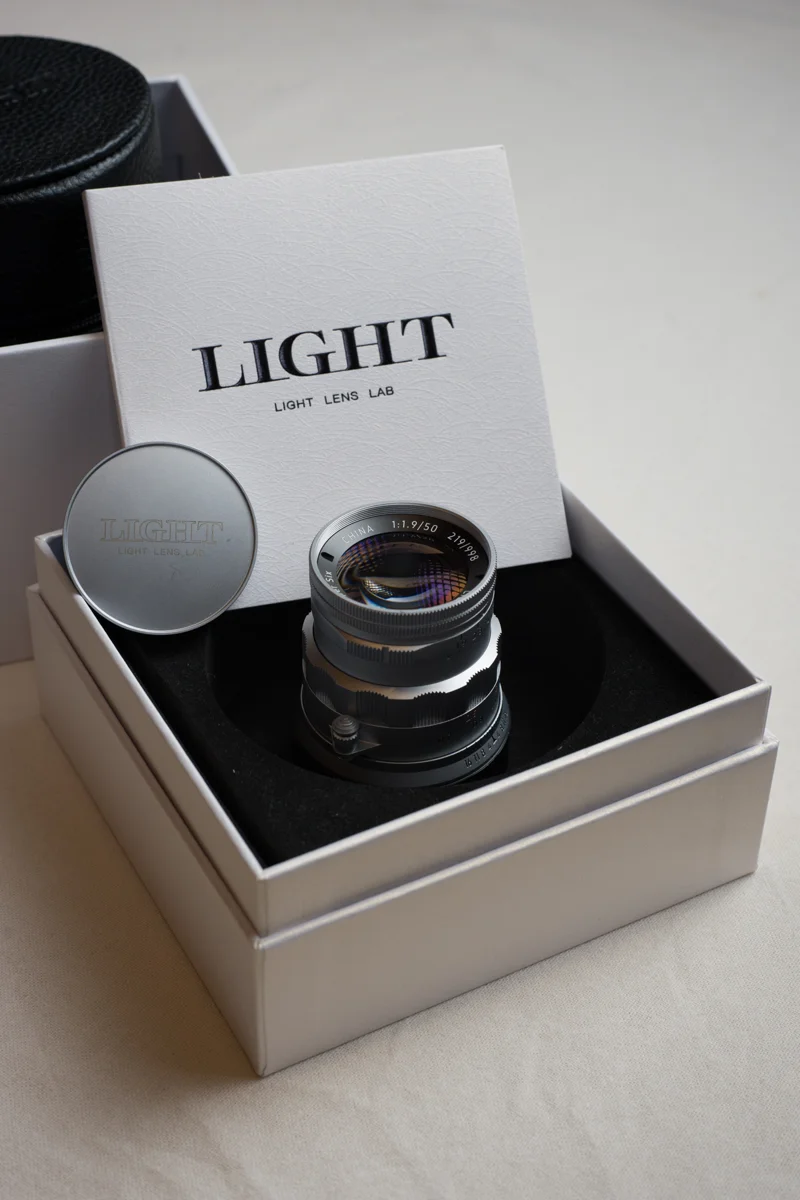
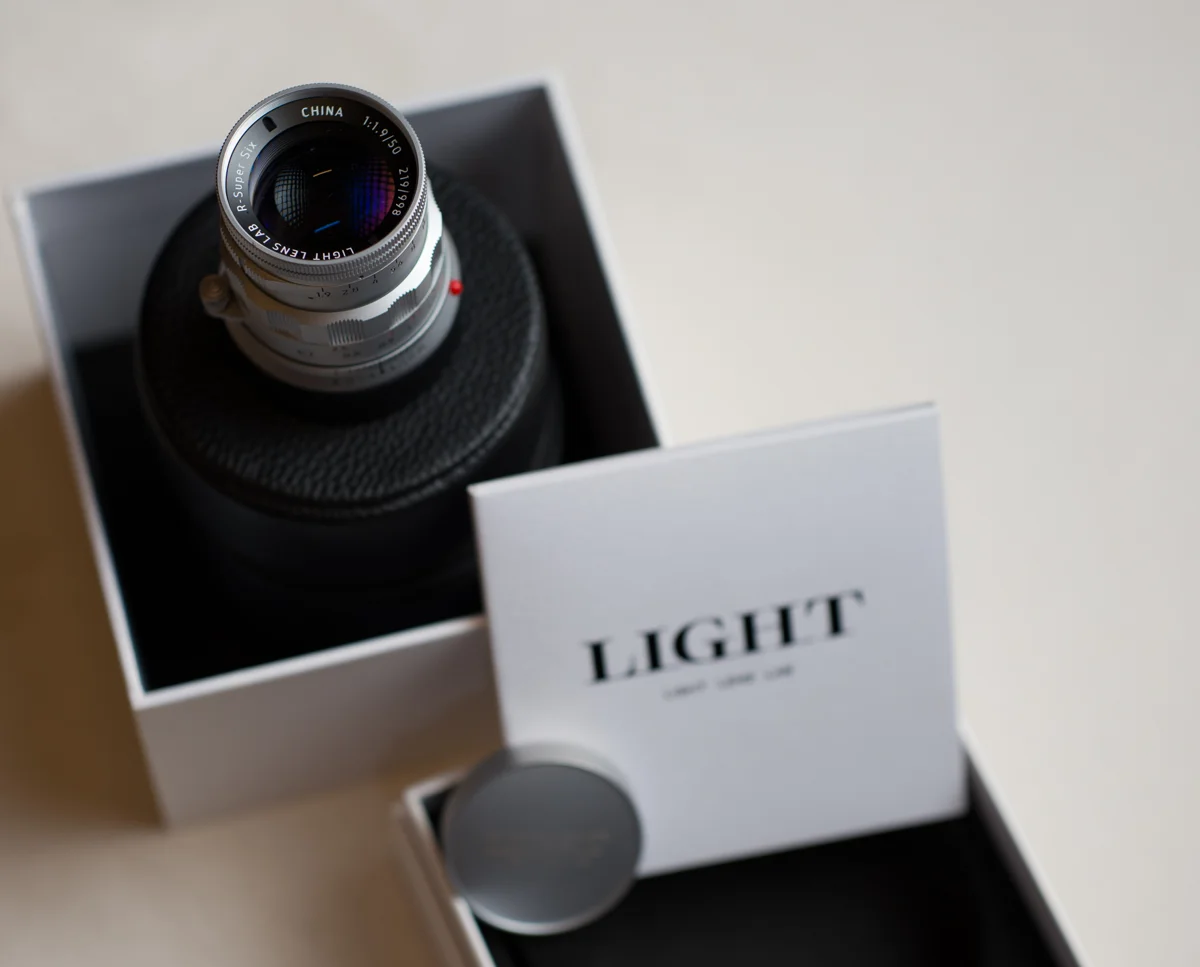
The Super-Six came in a white square box with a black leather lens pouch. The lens pouch is slightly bigger, about 1/3rd from the bottom is filled in with hard foam. It's fantastic quality and the lens sits nicely in it, packaged in a small semi-transparent plastic bag.
Great eye to detail and I can really appreciate it; this is certainly an improved unboxing experience over the other manufacturers offering lenses at this price range.
Compared to other lenses
This is where things get a bit more difficult. You do not necessarily buy this lens so it could be your one and only lens. This is a lens with a unique rendering, and a very good tool in your toolkit, is how I'd describe this. It has swirly out of focus highlights, chromatic aberration, softness at f/1.9 and so on.
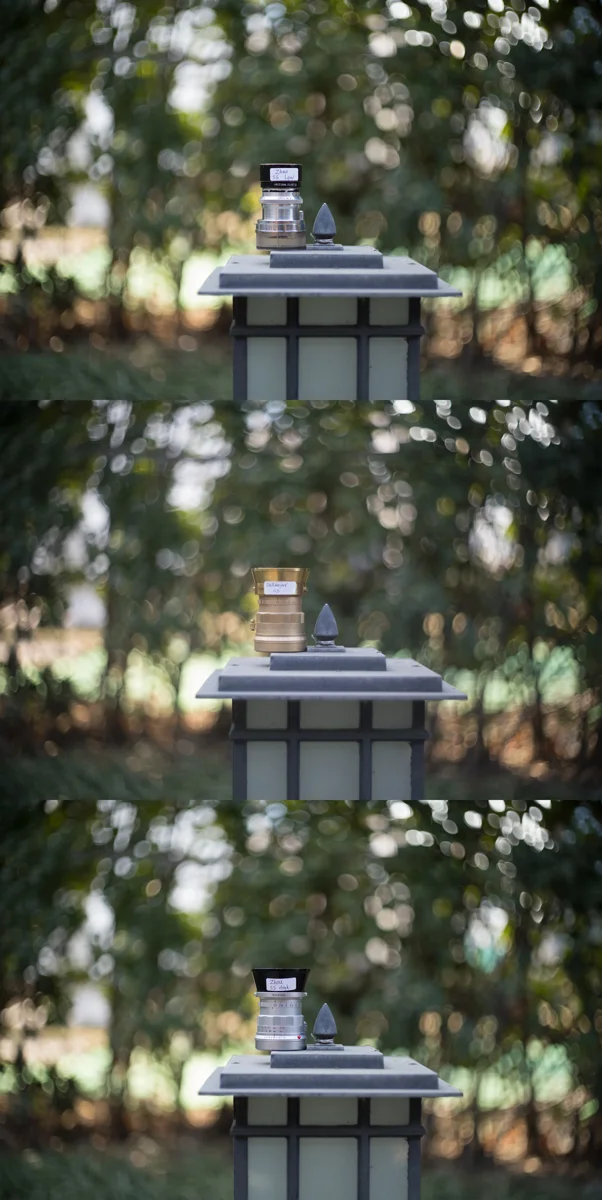
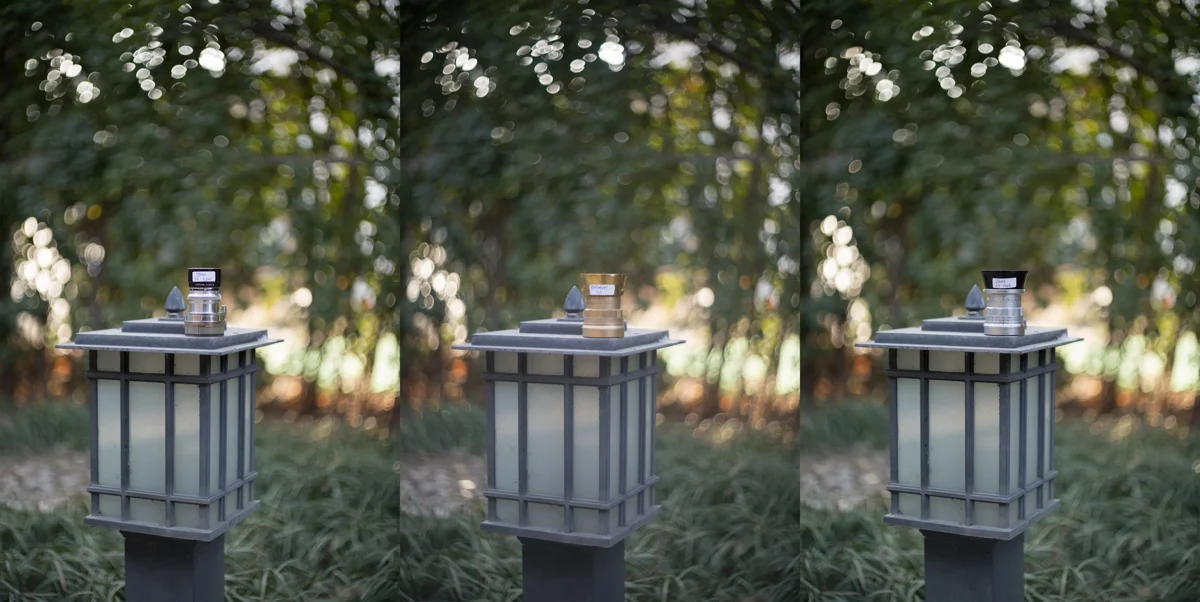
I've shot a test with the Light Lens Lab Rigid ZS6, vs the Simera 50mm f/1.4 and the Color-Skopar 50mm f/2.2, all shot wide open. Exposure brought a bit closer in post, I don't think aperture values are exactly right on all lenses.
What immediately is clear is that the LLL 50mm f/1.9 Rigid has a more soap bubble effect and a less flat field curvature compared to the Thypoch, as you can see on the right side of the image. This emphasizes the background a bit more, almost as if it's a 55mm rather than a 50mm lens. For flowers, I like the Light Lens Lab rendering more compared to Thypoch, it seems to bring flowers out a bit more.
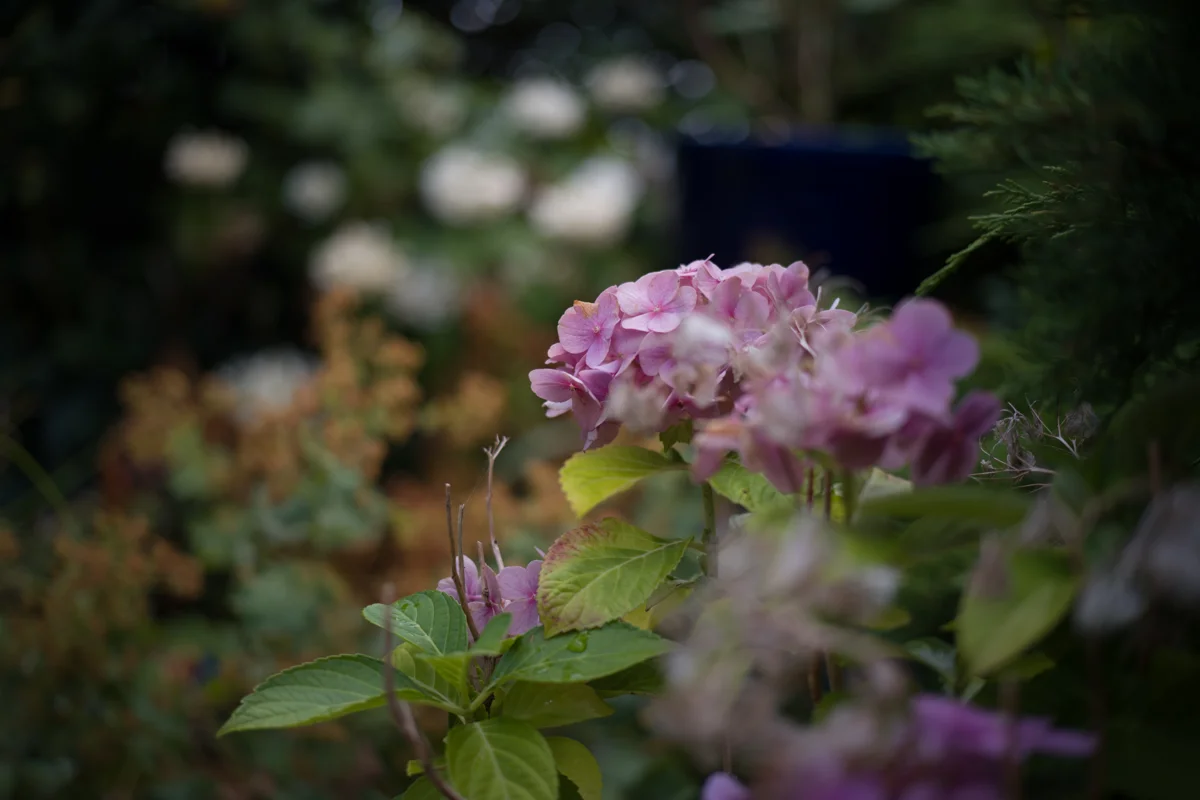
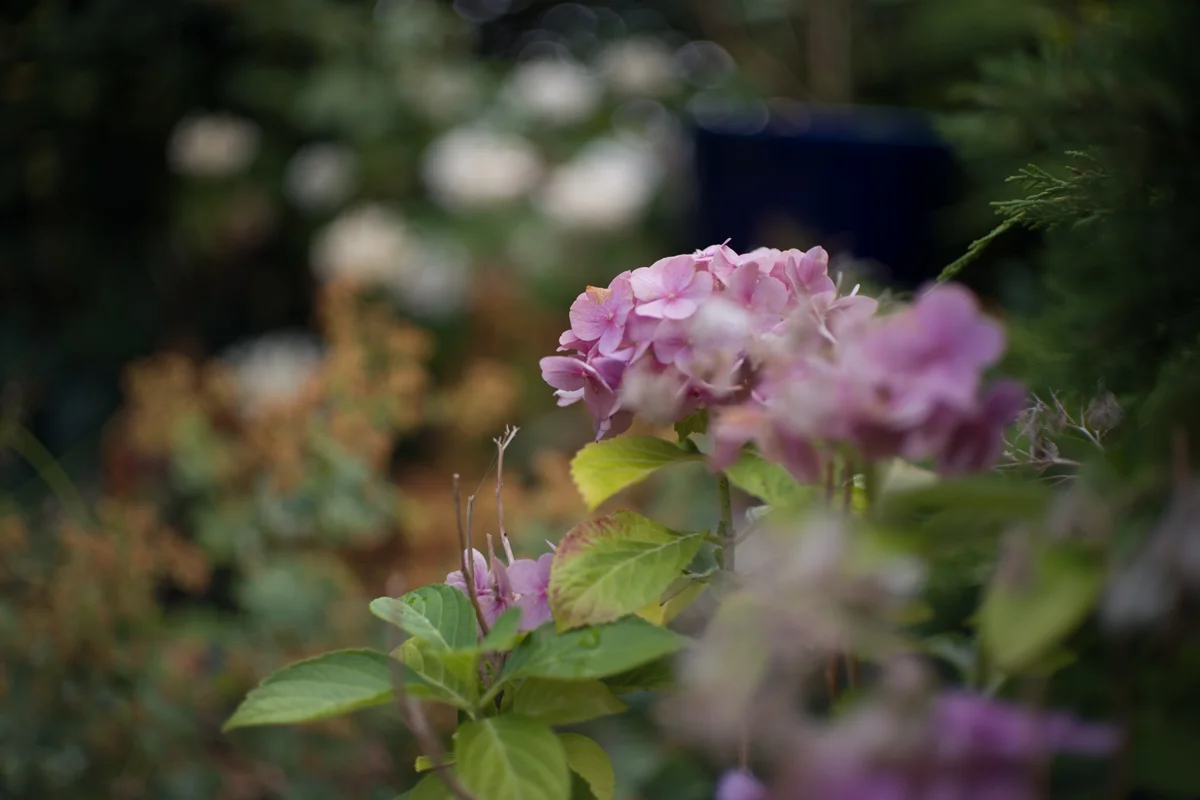
Thypoch Simera 50mm f/1.4
Yet if you're looking for something that's a good middle ground regarding rendering, the Thypoch is a great alternative. Good build quality, f/1.4 aperture and great prices, especially during sale.
Actually, in all aspects this lens is better. This would be the more "sensible" choice as your first lens. But the Light Lens Lab lens is something special and is a really good addition to anyone's toolkit. It has a 3D pop that not many other lenses have.
The Simera seems to be slightly wider than the Light Lens Lab, but this could be due to the better corrected field curvature.
Color Skopar 50mm f/2.2
These are almost opposite interpretations of a 50mm lens. The Color-Skopar is designed to disappear on the camera. At only 135 grams, it is much lighter than the 263-gram Light Lens Lab and is one of the easiest 50mm lenses to carry all day. It also focuses down to 0.5 metres when using live view, compared to 0.7 metres for the Rigid-ZS6.
Rendering-wise, the Color-Skopar is sharper, cleaner and more neutral. There is a slight vintage touch in the out-of-focus transition, but it is still a modern lens. The Light Lens Lab has considerably more glow, field curvature and movement in the background. It makes the subject stand out in a more obvious and sometimes almost three-dimensional way.
I would choose the Color-Skopar as an everyday, travel or street-photography lens. It is the more sensible option if this will be your only 50mm. The Rigid-ZS6 is the lens I would bring when the rendering itself is part of the photograph—for portraits, flowers, older architecture or scenes where I want more atmosphere. These two lenses can easily coexist in the same kit because they serve completely different purposes.
TTArtisan 50mm f/1.4
The TTArtisan is another affordable 50mm, but it takes a much more conventional approach. It gives you an f/1.4 aperture, a 12-blade diaphragm and a relatively complex optical design with 10 elements in 8 groups. The downside is its size and weight: at approximately 399 grams, it is noticeably heavier than the Light Lens Lab and can become uncomfortable when carried around all day.
The main advantage of the TTArtisan is speed. It gives you an extra stop in low light and makes stronger subject separation easier. It is also a very impressive price-to-performance lens, especially on the second-hand market. In my comparison with the Thypoch Simera, however, the TTArtisan showed weaker flare resistance, less attractive colours and less refined handling.
I would not necessarily recommend the TTArtisan 50mm f/1.4, unless you need to get your first lens and you blew the budget on an M body ;-).
Leica Summicron-M 50mm f/2 V
Physically, the Summicron-M 50mm f/2 V is probably one of the closest comparisons. It weighs around 240 grams, focuses down to 0.7 metres and uses a simple six-element, four-group optical construction. It is compact, has an integrated hood and is one of the most established everyday lenses in the Leica M system.
Despite the similar specifications, the lenses have very different intentions. The Summicron produces a more neutral and balanced image. It does not try to exaggerate the out-of-focus areas, and the transition between sharp and blurred parts of the image is smoother and less pronounced. It is the type of lens that works in almost every situation without forcing a particular style onto the photograph.
The Light Lens Lab is much less neutral. Wide open, it has more glow, more obvious field curvature and a busier, more painterly background. The warmer coating also gives it a different colour response. Fred Miranda’s direct tests against the older Summicron Rigid showed the ZS6 producing a warmer image, strong central performance and a different field-curvature profile, although that comparison should not be treated as a direct test against the later Summicron V.
If I could own only one 50mm lens, the Summicron would be the safer and more versatile choice. If I already owned a neutral or modern 50mm, the Rigid-ZS6 would be the more interesting addition because it produces a look the Summicron deliberately avoids.
Voigtländer Nokton 50mm f/1.5 Aspherical II
The Nokton 50mm f/1.5 II is one of the strongest alternatives if you want a compact but fast everyday lens. The standard aluminium versions weigh only 198 grams, despite offering an f/1.5 aperture. It focuses down to 0.7 metres and uses an eight-element, seven-group optical design with 12 aperture blades.
Its rendering sits somewhere between a modern lens and a character lens. It has good contrast and sharpness, but its out-of-focus areas can still show cat-eye highlights and some swirling towards the edges. This gives it more personality than a completely neutral lens, while remaining more controlled and versatile than the Rigid-ZS6.
The Nokton is faster, lighter and more suitable as a single all-purpose 50mm. The Light Lens Lab has considerably more glow and a more obvious vintage signature. I would choose the Nokton for low-light street photography, travel and general use. I would choose the Rigid-ZS6 when I specifically want the background and optical imperfections to contribute to the image.
Zeiss Planar T* 50mm f/2 ZM
The Zeiss Planar 50mm f/2 ZM is another logical comparison for photographers looking at compact, traditionally styled M-mount lenses. At approximately 230 grams, with a 0.7-metre minimum focus distance, it occupies almost the same practical category as the Summicron and the Light Lens Lab.
The Planar is the more straightforward lens. It is known for strong contrast, clarity and a relatively neutral presentation. Compared with the Rigid-ZS6, backgrounds look less distorted and the focal plane is more predictable. It does not create the same glow or swirling movement, but it will produce more consistent results across a wider range of subjects.
Like the Summicron, the Zeiss makes more sense as a first or only 50mm. It is a dependable lens for documentary work, architecture, street photography and landscapes. The Light Lens Lab makes more sense as a second 50mm: not necessarily better, but clearly different.
Which 50mm should you choose?
The easiest way to choose is to decide whether you want versatility or a specific rendering style.
The Color-Skopar is the best option for minimum weight and travel. The TTArtisan gives you an affordable f/1.4 aperture, although it is considerably larger and heavier. The Nokton 50mm f/1.5 II combines speed with a genuinely compact body. The Summicron, Simera and the Zeiss Planar are the safer choices if you want one balanced and dependable 50mm lens.
The Light Lens Lab Rigid-ZS6 is different. It is not trying to be the smallest, sharpest or most technically perfect lens. Its strength is that you can recognise its rendering. The glow, field curvature, warm colours and swirling background give photographs a specific atmosphere that is difficult to recreate afterwards.
For a first 50mm, I would probably choose one of the more neutral alternatives. For someone who already owns a technically good 50mm and wants something that changes the way a scene is rendered, the Rigid-ZS6 is the most interesting choice of the group.
Below a non-scientific test under similar lighting, to get the feel of the rendering.
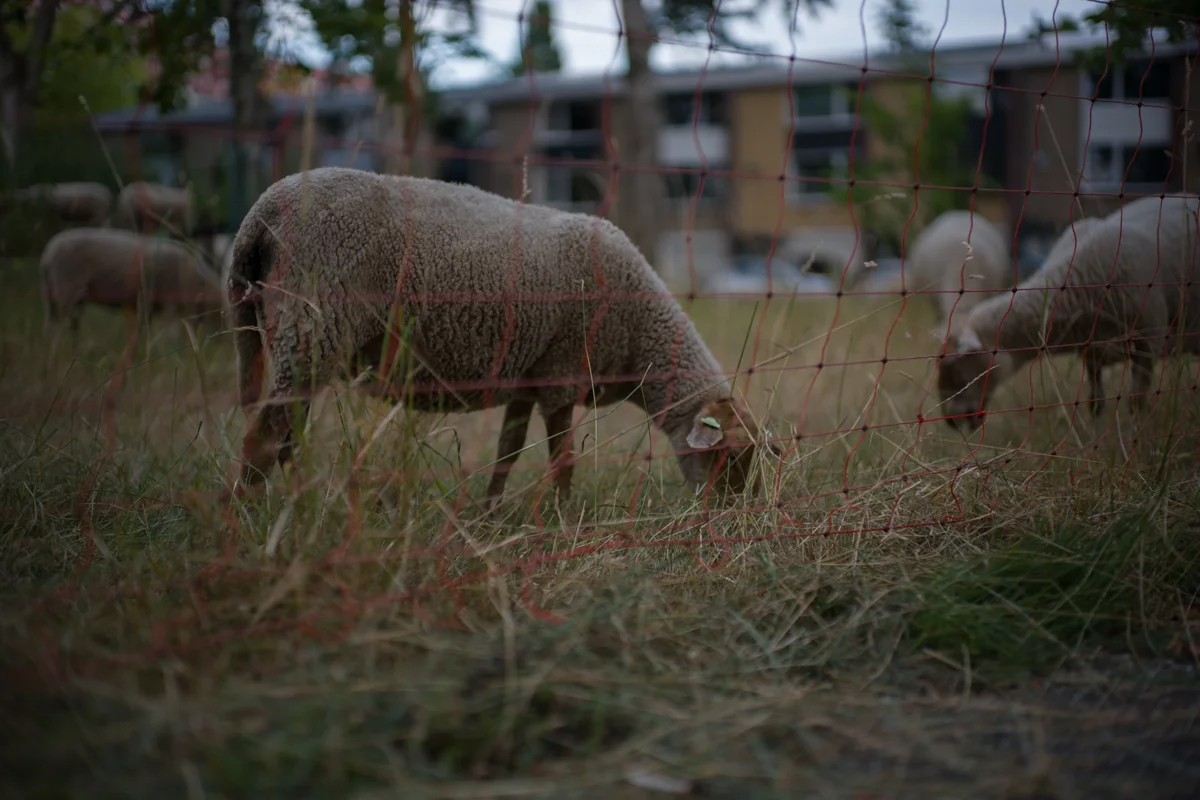
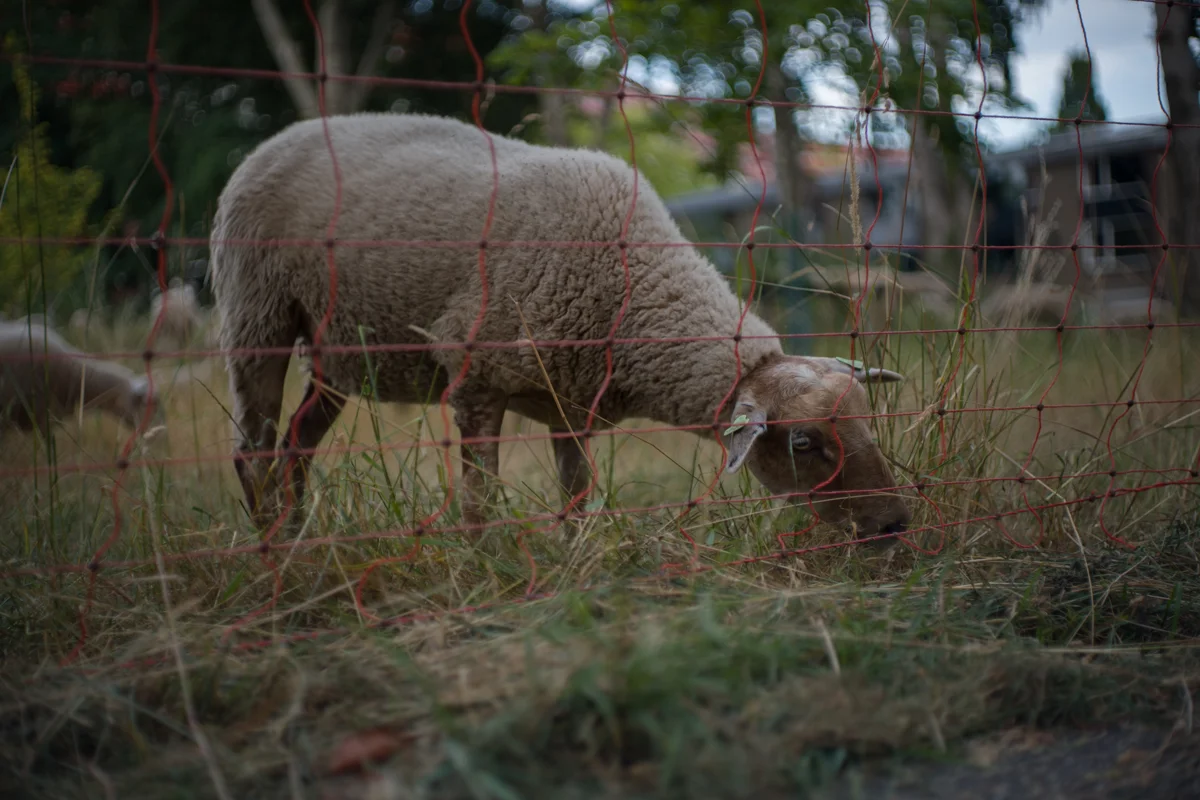
Verdict
The Light Lens Lab 50mm f/1.9 Rigid-ZS6 is not made for people looking for perfect sharpness or a clean modern rendering. The appeal is in its softness, glow, field curvature and sometimes swirly backgrounds. With the right subject, especially portraits, flowers and more layered scenes, it can create images with a lot of depth and atmosphere.
The build quality is very good for the price. The brass body feels solid, the aperture clicks are clean and my copy arrived perfectly calibrated. The packaging is also nicer than I expected. You get booklets and a good leather pouch with proper support for the lens inside. The infinity lock is not always practical, especially when adapting the lens to a mirrorless camera. I would also recommend buying the matching hood, as the lens can flare when strong light is close to the edge of the frame.
There are two versions available. The lower contrast version will probably suit digital photographers better, while the standard version has more microcontrast and may be more interesting for film. It is worth thinking about this before ordering, because it does change the overall look of the lens.
At €714 or $799 before discounts, I think the Rigid-ZS6 offers good value. Not because it is cheap, but because it gives you the experience of using a vintage lens without many of the usual risks. Buying an old lens can mean dealing with fungus, haze, scratches, coating damage, oily aperture blades or badly described repairs. Here you get new glass, clean mechanics and a newly calibrated rangefinder coupling.
I would probably not recommend it as a first or only 50mm. There are sharper, smaller and more versatile options available. But if you already own a technically good 50mm and want something with a very different look, the Rigid-ZS6 is easy to recommend. It is well made, nicely presented and produces images that do not look like they came from just another modern lens. Fantastic for shooting portraits and flowers as well as "painting-like" photos!
Use the code LEICALENSLIST for 5% off.
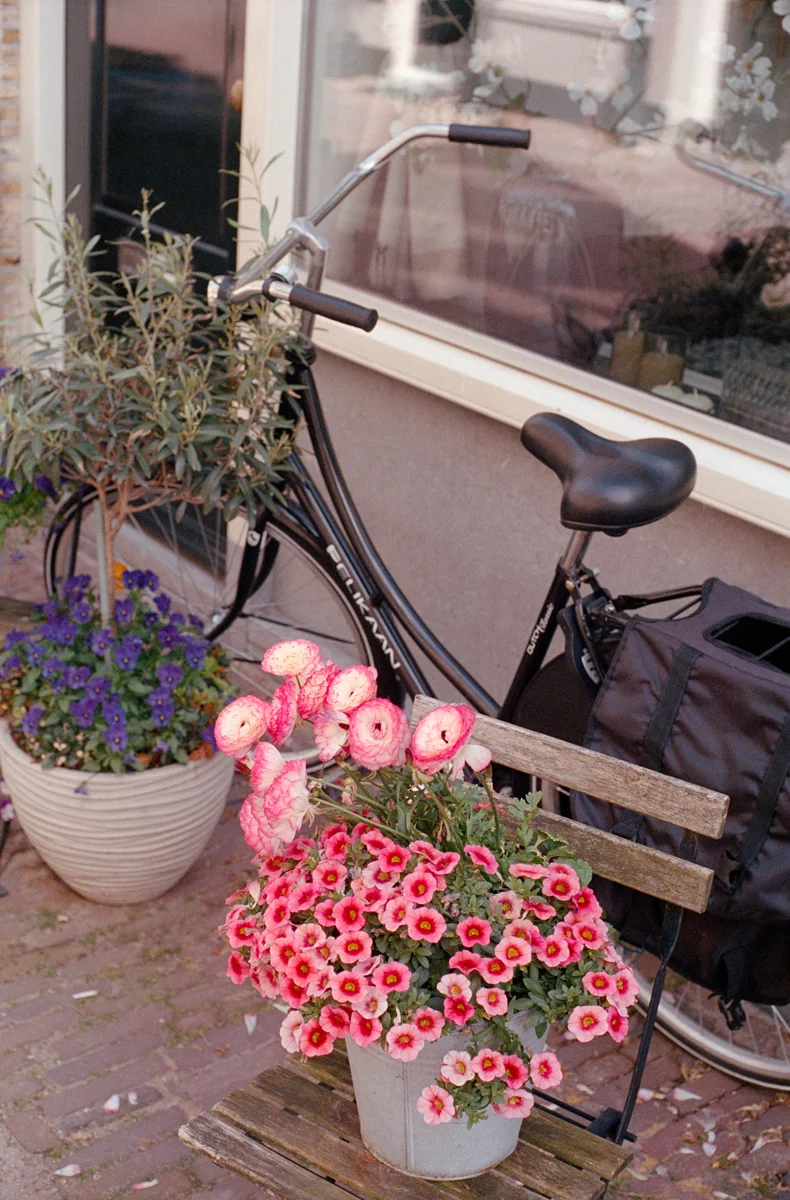
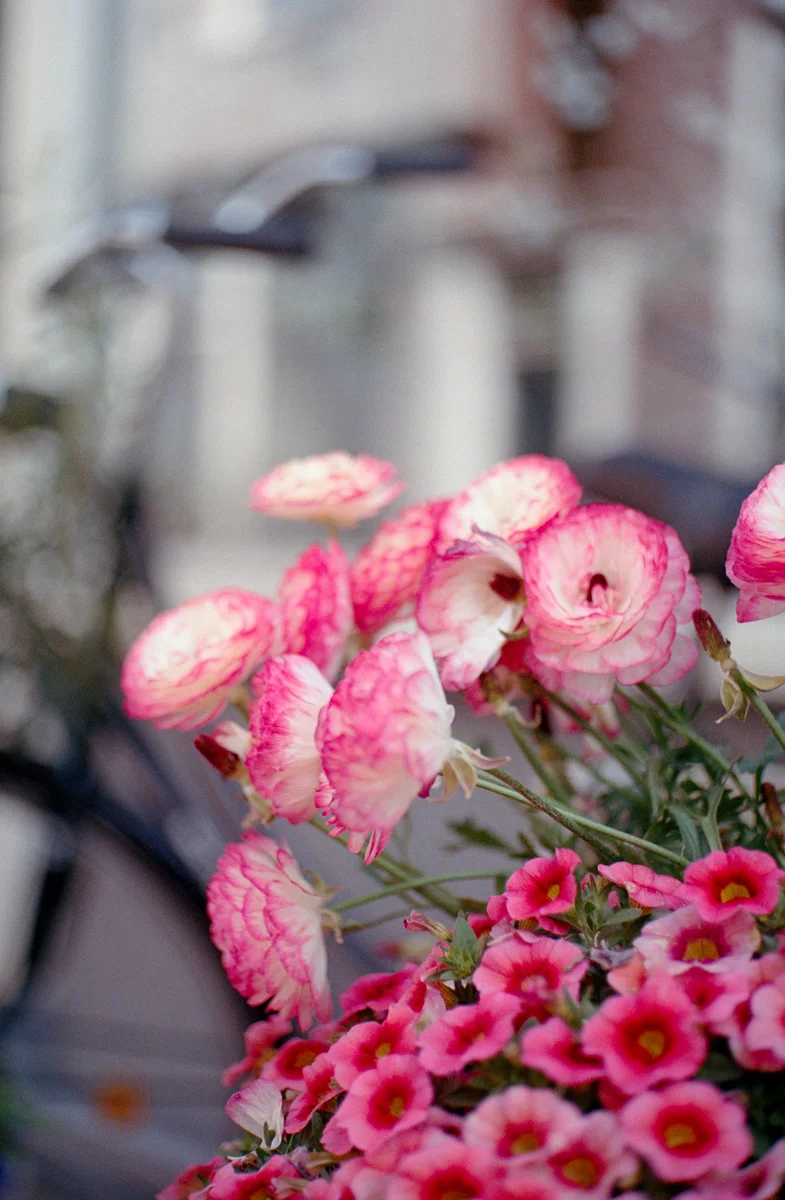
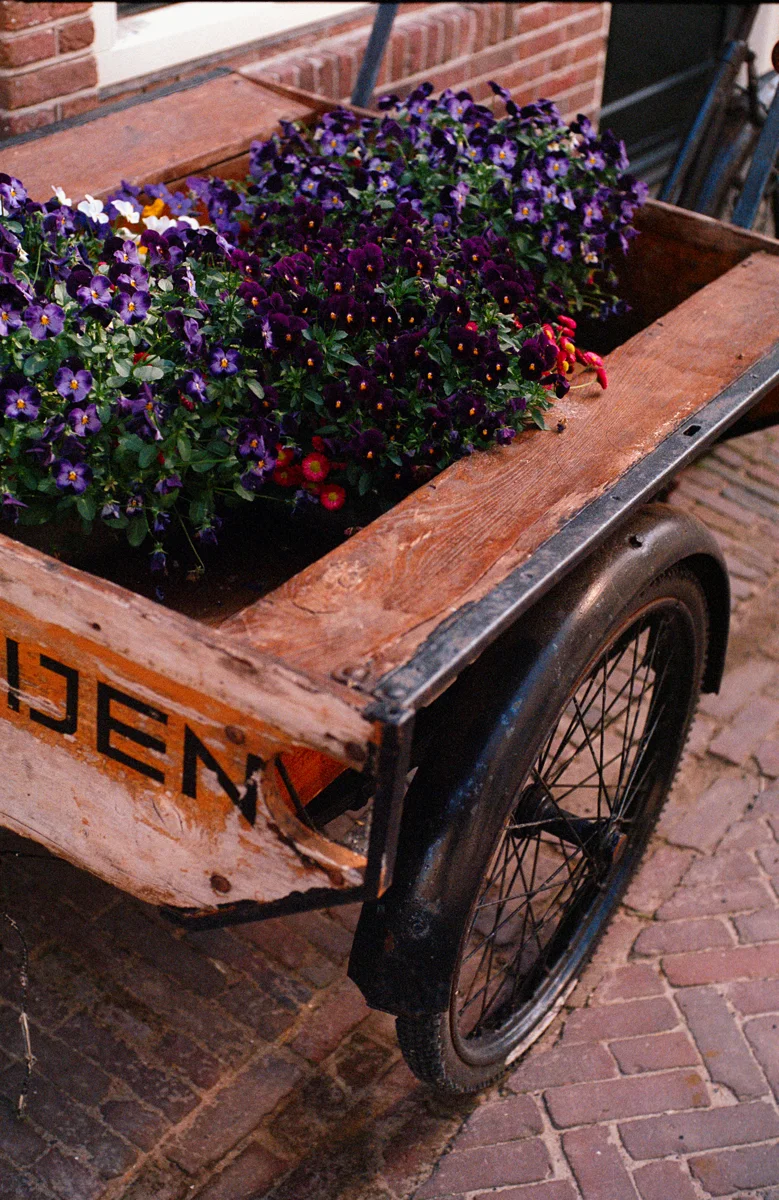
Other film images
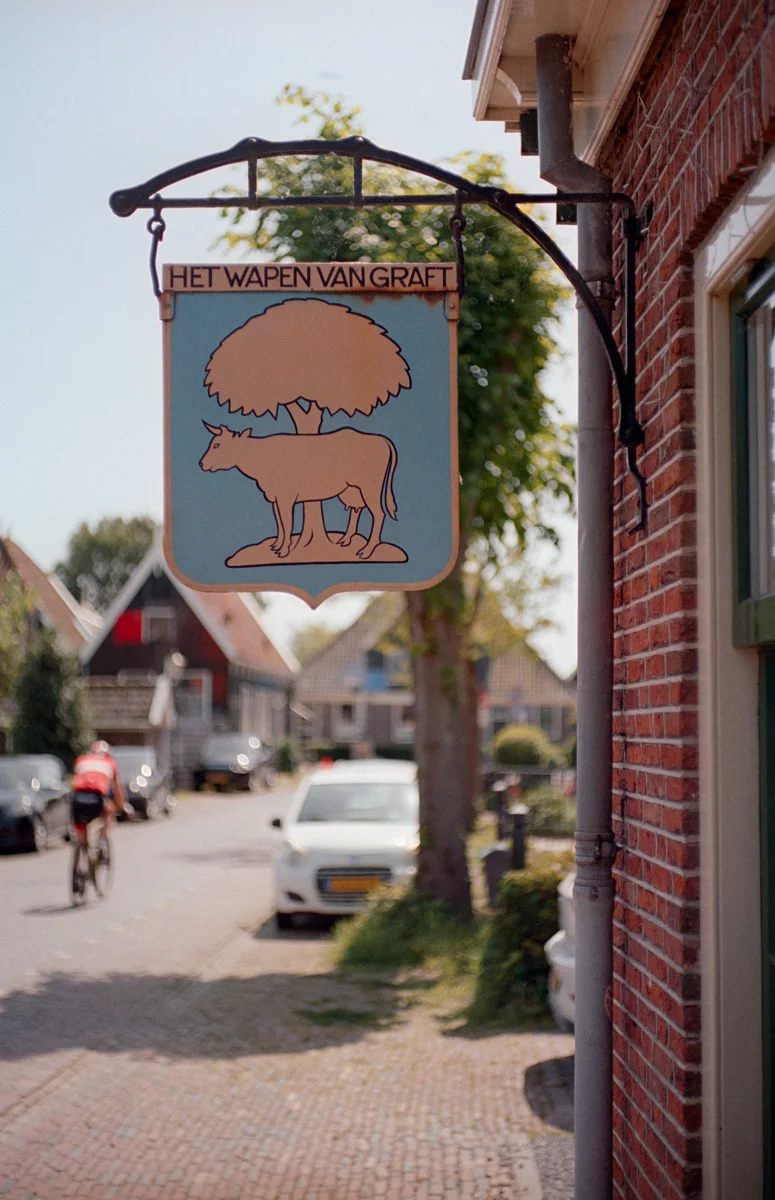
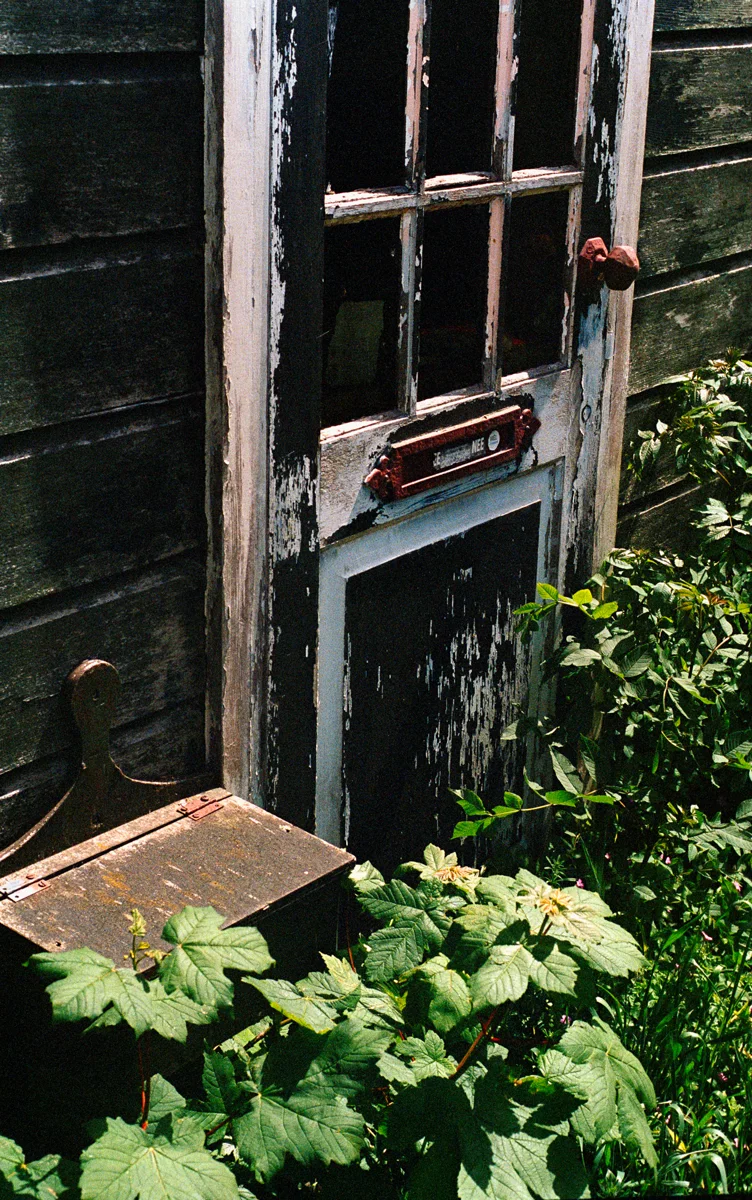
Other digital images
Sources
Examples of high / low contrast variant(s) by Light Lens Lab
Comments