The Meyer-Optik Gorlitz Biotar 58mm f/1.5 II is a modern Leica M-mount revival of the swirly-bokeh classic, prized by collectors for its character rendering.
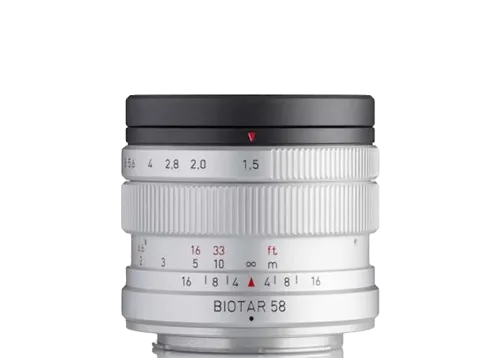
Meyer-Optik Gorlitz Biotar 58mm f/1.5 II
M mount
No listings tracked for this lens right now.
The Meyer-Optik Gorlitz Biotar 58mm f/1.5 II is a M-mount lens for Leica rangefinder cameras. Leica price index →
Specification
About this lens
Meyer-Optik Gorlitz Biotar 58mm f/1.5 II
This lens is a contemporary reinterpretation of one of the most recognizable rendering signatures in photography, the swirling background blur associated with the original Biotar of the 1930s. The Biotar 58 f1.5 II was introduced by the reformed Meyer Optik Görlitz in 2022, and the company markets it as the fastest Biotar 58 it has produced, raising the speed of the classic f/2 formula to f/1.5 while retaining the look that made the design famous [1][2]. It is offered in a wide range of mounts, and the Leica M version recorded here is one of several rangefinder and mirrorless options.
Optically the lens uses a compact six-element, four-group design with a 14-blade aperture diaphragm that helps keep out-of-focus highlights rounded as the lens is stopped down. The barrel is built from aluminum with a clear anodized finish, focuses manually to a minimum distance of 0.7 m, and accepts 52 mm filters. Overall length and weight vary with the mount fitted, and the M-mount example sits at the longer and heavier end of that range. Importantly for rangefinder owners, the Leica M version is not coupled to the camera's rangefinder; Meyer Optik states that live view focusing is required, so the lens is intended for mirrorless M-system bodies or for adaptation rather than for traditional optical rangefinder focusing.
Meyer Optik Görlitz itself has a complicated recent history that bears on collecting the modern Biotars. The brand traces its roots to a German optical firm founded in the 19th century, but its recent decades have been turbulent, including a much-publicized incident in which a product was revealed to be a rebadged Chinese lens, a failed Kickstarter campaign, and a series of ownership changes before the company reorganized as an independent maker around 2021. The current Biotar 58 f1.5 II is a product of that reformed company and is built and sold new in Germany, which distinguishes it clearly from the vintage Carl Zeiss Biotar lenses that inspired it.
Optical qualities
Rendering The defining trait of this lens is the Biotar rendering: a swirling, circular pattern in out-of-focus highlights that becomes more pronounced toward the frame edges, where point sources stretch into cat's-eye shapes. The manufacturer describes a creamy, three-dimensional look at wide apertures with smooth focus transitions, and notes that stopping down reduces the swirl while increasing sharpness. Independent and manufacturer commentary both emphasize that this is a character lens rather than a clinically corrected one, chosen for mood and subject separation more than for technical neutrality.
Sharpness Meyer Optik states that optical reworking gives the II higher central sharpness than earlier Biotar 58 designs, with strong resolution in close-up and portrait work and improving evenness across the frame when stopped down slightly.
Contrast and color The maker describes pleasing color reproduction and good contrast, and claims the lens shows little color fringing even wide open in strong backlight. These are manufacturer claims and should be weighed accordingly.
History
Development and Launch The Biotar name derives from the classic double-Gauss design popularized by Carl Zeiss in the early 20th century, and the original Biotar 2/58 became, by Meyer Optik's account, the longest-lived and best-selling lens in the Biotar series, offered for roughly 25 years after its introduction in the 1930s. The modern Biotar 58 f1.5 II revives that lineage. Meyer Optik credits Görlitz-based designer Dr.-Ing. Wolf-Dieter Prenzel with the reworked optics, which were aimed at preserving the original's signature look while improving speed, sharpness, and contrast for use on current cameras.
Special editions No major factory special editions of the Biotar 58 f1.5 II are widely documented at the time of writing; the principal variation is the choice of lens mount, which also affects the lens's length and weight.
Collector Notes Buyers should be careful not to confuse this new lens with the vintage Carl Zeiss Jena Biotar 58mm f/2 or its many derivatives, such as the Soviet Helios 44 series, which share the rendering reputation but are entirely different products from a different era and maker. The Leica M version's lack of rangefinder coupling is the single most important practical point to verify before purchase, since it cannot be focused through an optical rangefinder and is designed around live view. Given Meyer Optik's documented past controversies, collectors and used buyers may also wish to confirm provenance and that examples are genuine current-production German-built units.
Sources
Where to buy
Related lenses
Similar lenses you might be interested in
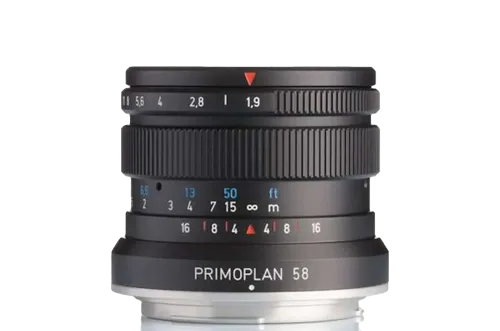
Primoplan 58mm f/1.9 II
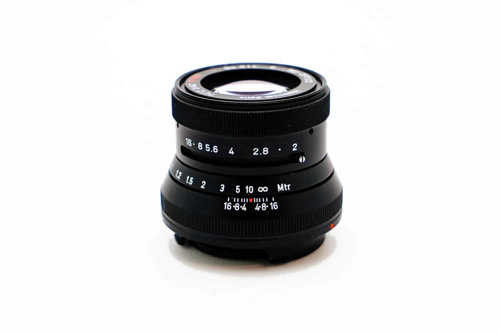
Petz 57mm f/2
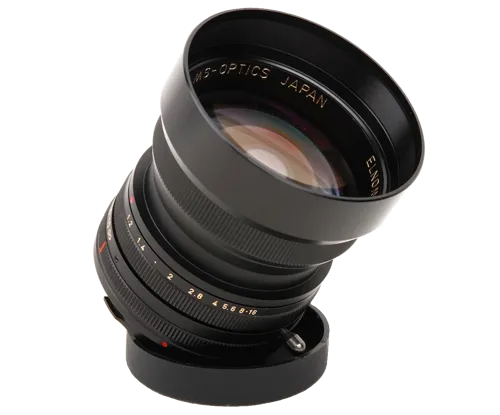
Elnomaxim 55mm f/1.2
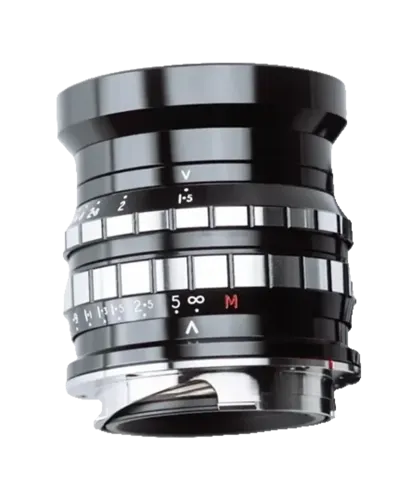
Impastolite 2-inch 51mm f/1.5
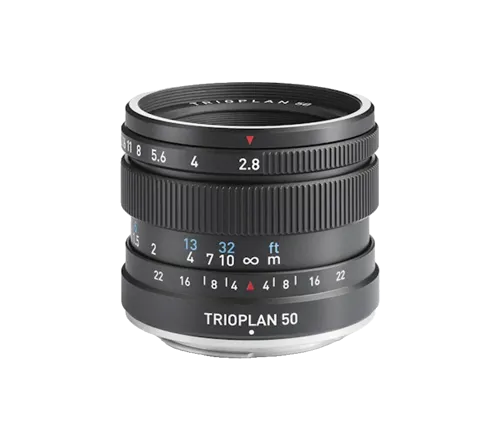
Trioplan 50mm f/2.8 II
Comments