Thypoch Simera 75mm f/1.4 Review - Simply Excellent
Is the Thypoch Simera 75mm f/1.4 worth it? This review explores optics, bokeh, portability and images from the Zaanse Schans, shot on film and digital.
As you could probably imagine, buying and selling lenses in order to write reviews about them is not easy on your wallet. Hence, I decided to ask Thypoch if I could loan a couple of review units. They answered "Of course you can come and test our lenses" and I could pick up the 75mm f/1.4 and the 50mm f/1.4 Simera lenses - test them for two months!
Prefer a YouTube video instead, where I'll be visiting the Zaanse schans? View it here.
TL;DR
After testing this lens for a month I could tell that it's a very versatile 75mm lens due to it's f/1.4 aperture. It's a great balance between performance and portability and the build quality is sublime. For me it's important that a lens is comfortable to use, which then results in it being picked up more often. In the Netherlands during the cold and dark winter months I could shoot 100 ISO film and still get a good outcome! Want to buy this lens? Use the code LEICALENSLIST in the Thypoch Store for 5% off.
Pros
- Fast f/1.4 aperture – Excellent for low-light shooting and shallow depth of field, even on low ISO film.
- Smooth and pleasing bokeh thanks to 16 aperture blades.
- High build quality with an aluminum construction and very smooth focus and aperture rings.
- Relatively lightweight for a fast 75mm lens (372g), lighter than some competitors like the Leica Summilux-M 75mm.
- Versatile focal length – A good balance between 50mm and 90mm with flattering compression for portraits.
- Good optical correction with low field curvature and strong center sharpness.
- Floating optical group helps maintain performance across the focus range and prevents focus shift.
- Short minimum focus distance (0.6m) compared to many competing 75mm lenses.
- Precise focusing with a well-designed focus throw that allows fine control.
- Premium packaging and accessories, including metal caps and a lens hood.
- Pleasant rendering with slightly warm tones and smooth subject separation.
- Strong value for money compared to Leica alternatives.
- Clear depth of field markers - I really like the ALPA Kern inspired design of the depth of field markers.
- For this price it comes RF-aligned out of the box.
Cons
- Focusing at f/1.4 on a rangefinder is difficult, especially for portraits with very shallow depth of field.
- Some Leica bodies lack 75mm framelines (e.g., M2, M3, CL, M4-2), which makes framing less intuitive.
- No focus tab, which some photographers may prefer for quicker focusing.
- Depth of field marking design may allow water ingress, making it slightly less resistant to rain.
- Requires steady hands due to the longer focal length and typical handheld shutter speed limits.
Neutral considerations
- 75mm encourages more vertical compositions and tighter framing.
- 75mm focal length can take time to get used to, especially if you normally shoot 28mm, 35mm, or 50mm.
- The lens design prioritizes a balance of character and correction, rather than being purely clinical or purely vintage in rendering.
- Glow wide open at f/1.4, though it mostly disappears by f/2.
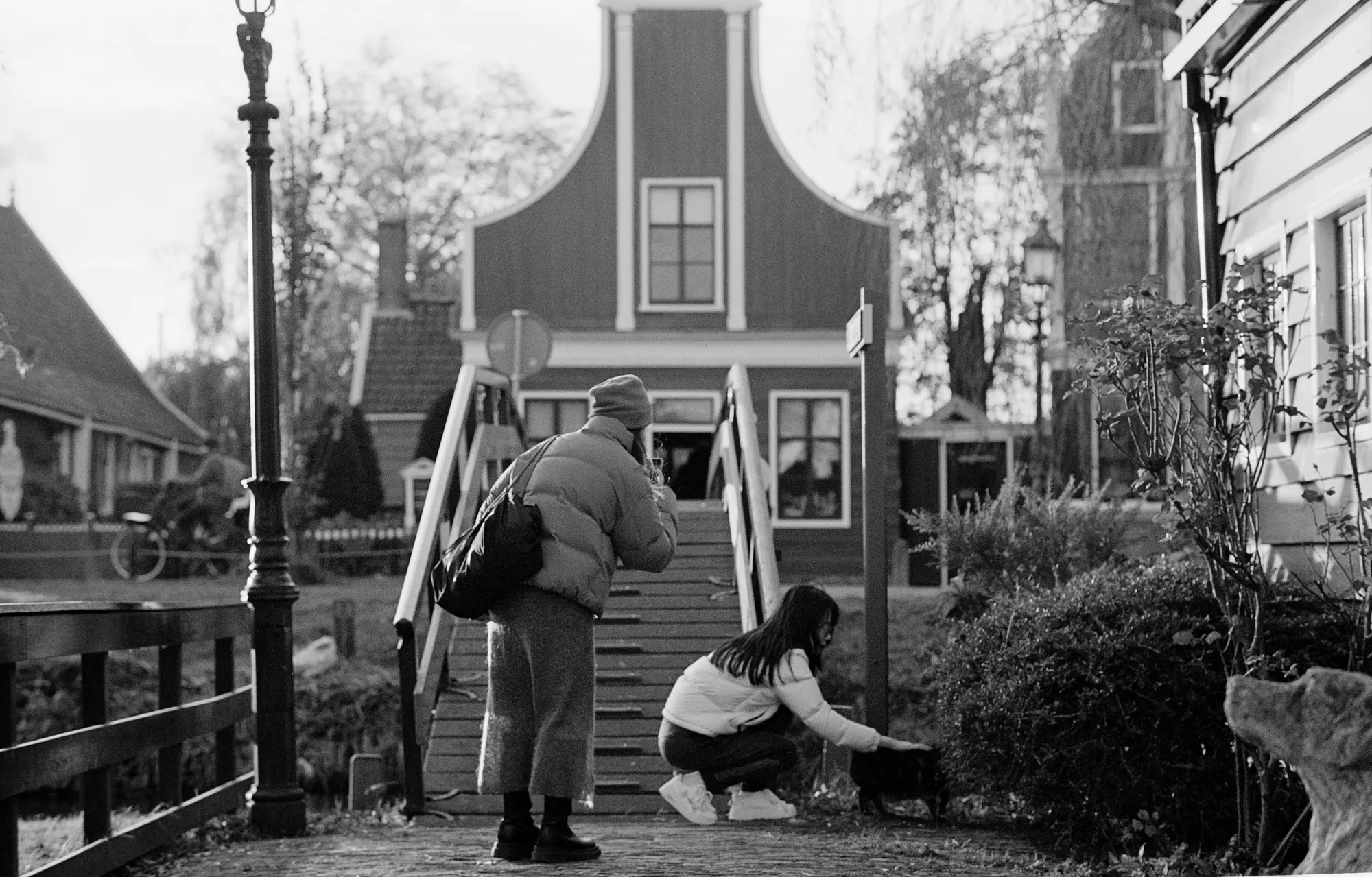
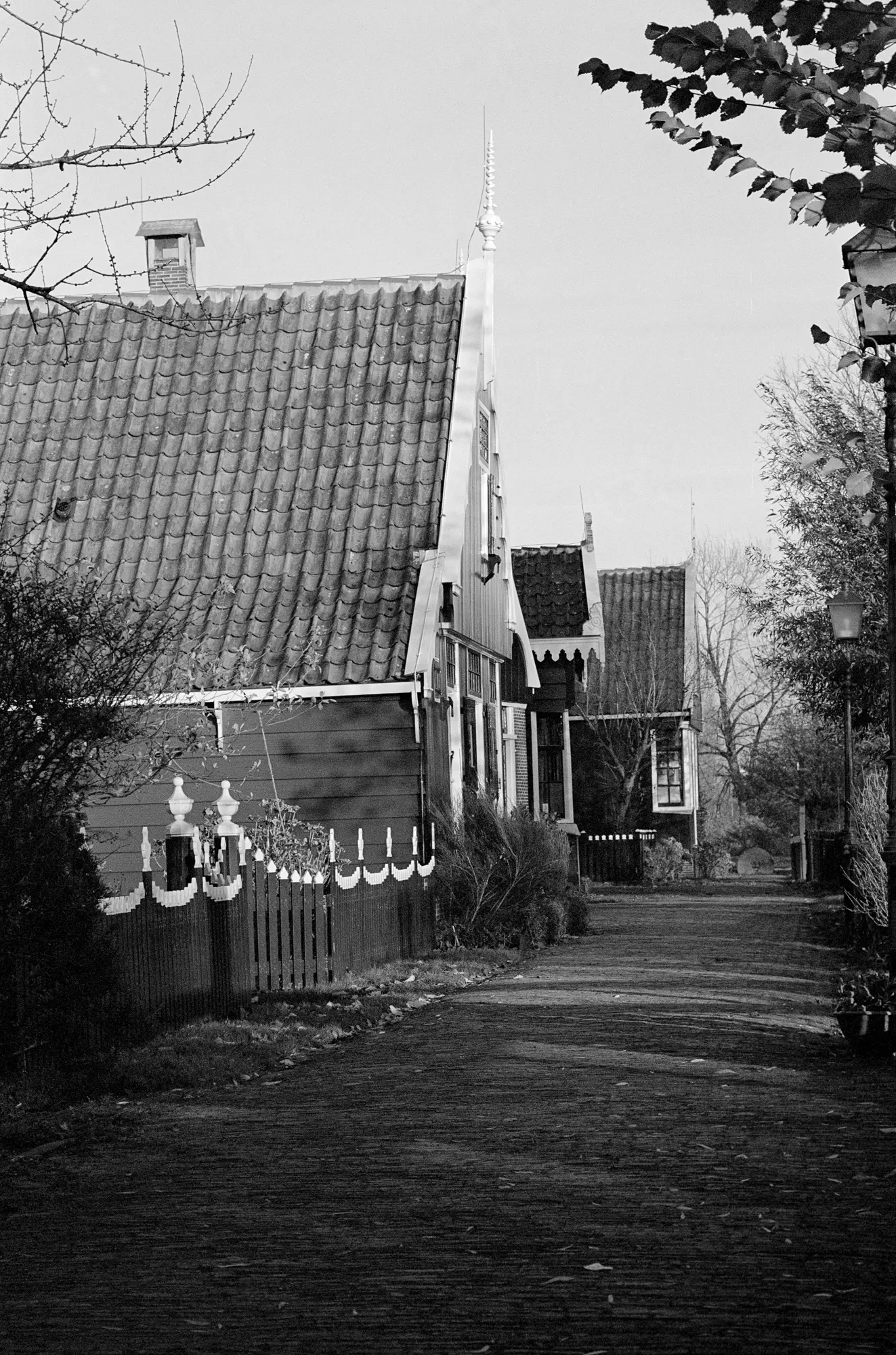
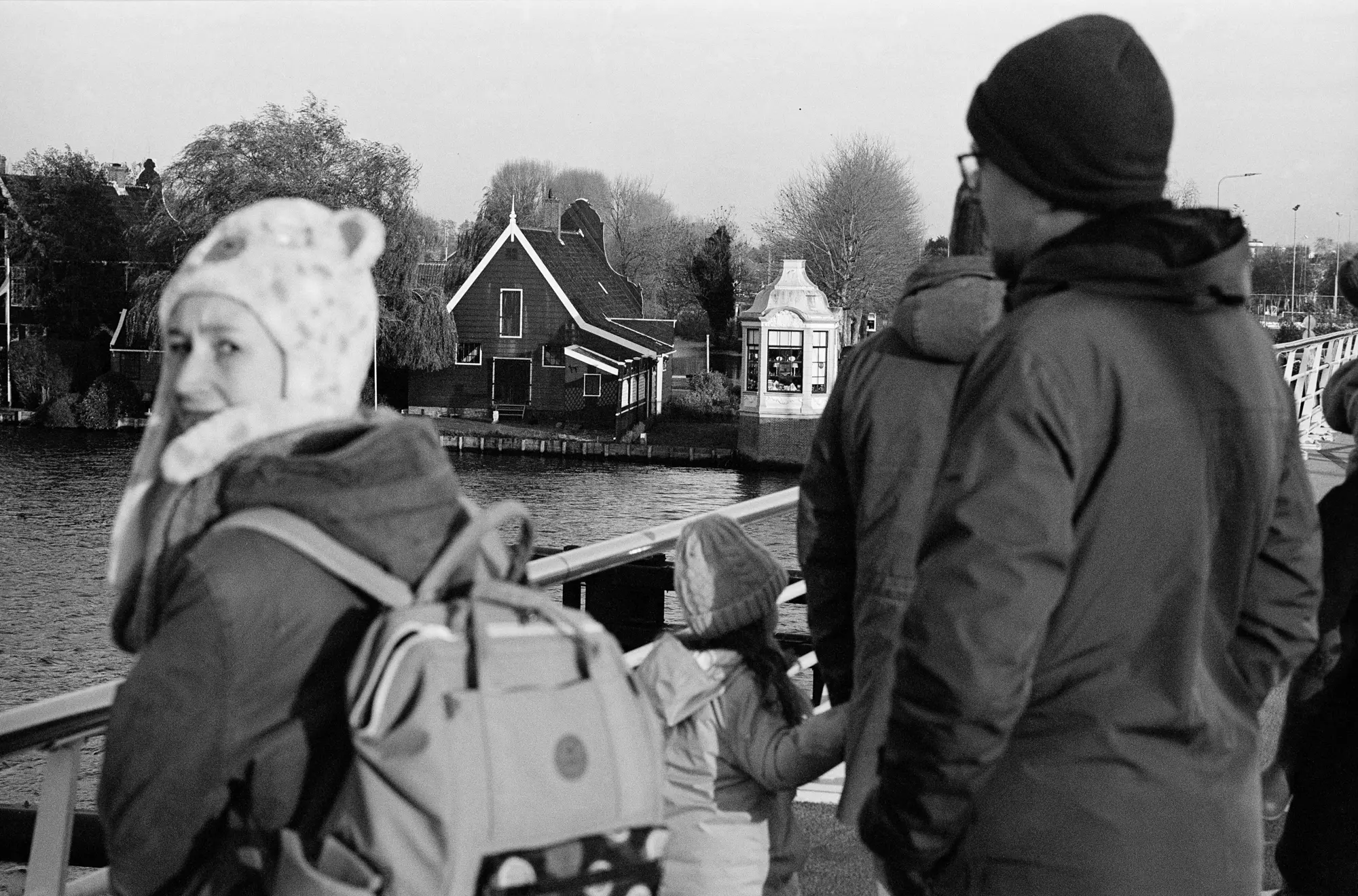
For this lens I decided that I wanted to take portraits and go to the Zaanse Schans, which is an open-air museum in the north west of the Netherlands, 20 kilometers from Amsterdam. My younger brother volunteered for the portraits. With this plan in place, I went at it straight away.
I currently have one Leica M rangefinder, the Leica M2. Immediately I noticed that when I mounted the lens, it showed the 50mm framelines. Take this into account when buying the lens: your camera might not have the correct framelines. This is the case for the M2, M3, CL, M4-2 and some Voigtländer Bessa models. Leica has offered a few lenses in this focal length since the Leica M4-P release in 1981.
Did it bother me when using it? Honestly, not that much, but when scanning those developed images I noticed that I forgot to take into account the 25mm difference for some frames.

I also had to get used to the 75mm focal length. I always shoot 28, 35 or 50 on my M2. It's hard to explain the 75mm as a focal length. It is a lot tighter than a 50, but not as tight as a 90. As a good middle ground, you get the more intimate perspective while having some of that good compression you get on a 90. For me, this resulted in more vertical compositions as I was leaning towards placing those elements in a vertical orientation rather than a horizontal orientation. I guess that's how my eyes worked, or that's due to my perspective in relation of the world in front of me. I live in a flat country after all...!
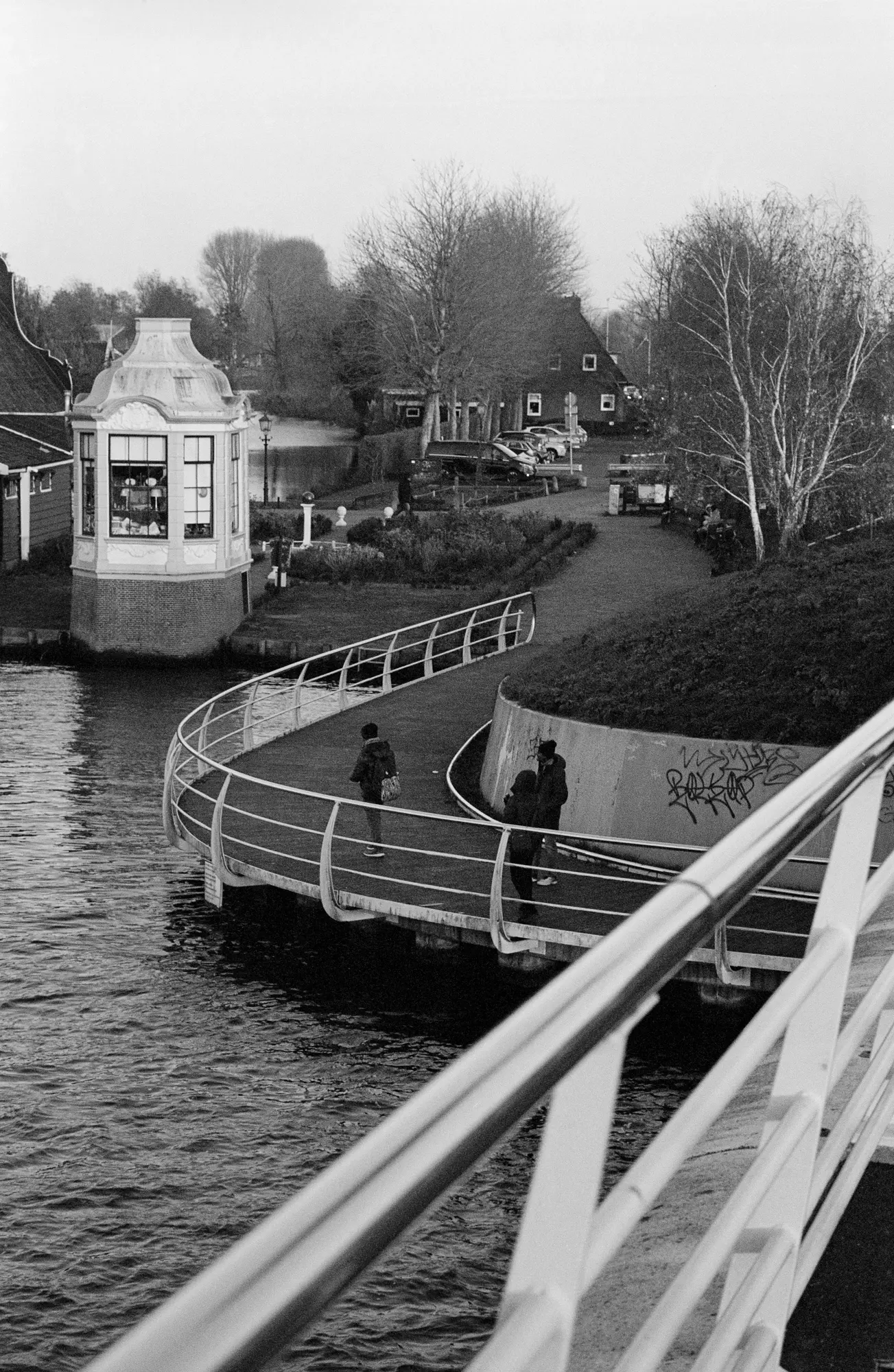
KJ Vogelius, one of my favorite lens review bloggers, mentioned: "Take into account, when considering a lens for use in low light, people only look at the maximum aperture spec, not the focal length. You can for instance handhold a 28 comfortably at f/4 in roughly the same light as a 90 at f/2."
This is very important, as you are more limited with shutter speeds on a longer focal length. What makes the lens compelling is the fact that you can shoot at f/1.4 at 1/60 (if you have very secure hands) or more comfortably at 1/125 on your M. In practice, that keeps it genuinely usable in low light on both film and digital, in line with the Leica M philosophy of confident hand-held shooting, and far less reliant on a tripod than a 90mm f/4 in more dimly-lit situations.
The lens series and the company
The Simera series, meaning "today" in Greek, quoting Thypoch. All lenses in this series are f/1.4 focal length, between 14 and 16 aperture blades, which creates smooth and dreamy bokeh. Those lenses do establish the optical formula and character that Thypoch would later build on in cine form, namely the Simera-C series.
Thypoch is a child company of DZOPTICS (Shenzen Dongzheng Optical Group), a company in China. Located in Shenzhen, the company entered the machine vision market in 2013, through the development of industrial lenses. Nowadays it has four branches:
- DZOPTICS industrial lenses
- DZOPTICS optical systems
- DZOFILM cine lenses
- Thypoch photographic lenses
With the photographic lens division, they're releasing Nikon Z, X and M mount lenses. All the M mount lenses so far are coupled and calibrated out of the box, which I can confirm. They also have the Eureka series which is focused on smaller lenses, like the 50mm Eureka and the 28mm Eureka.
The Lens
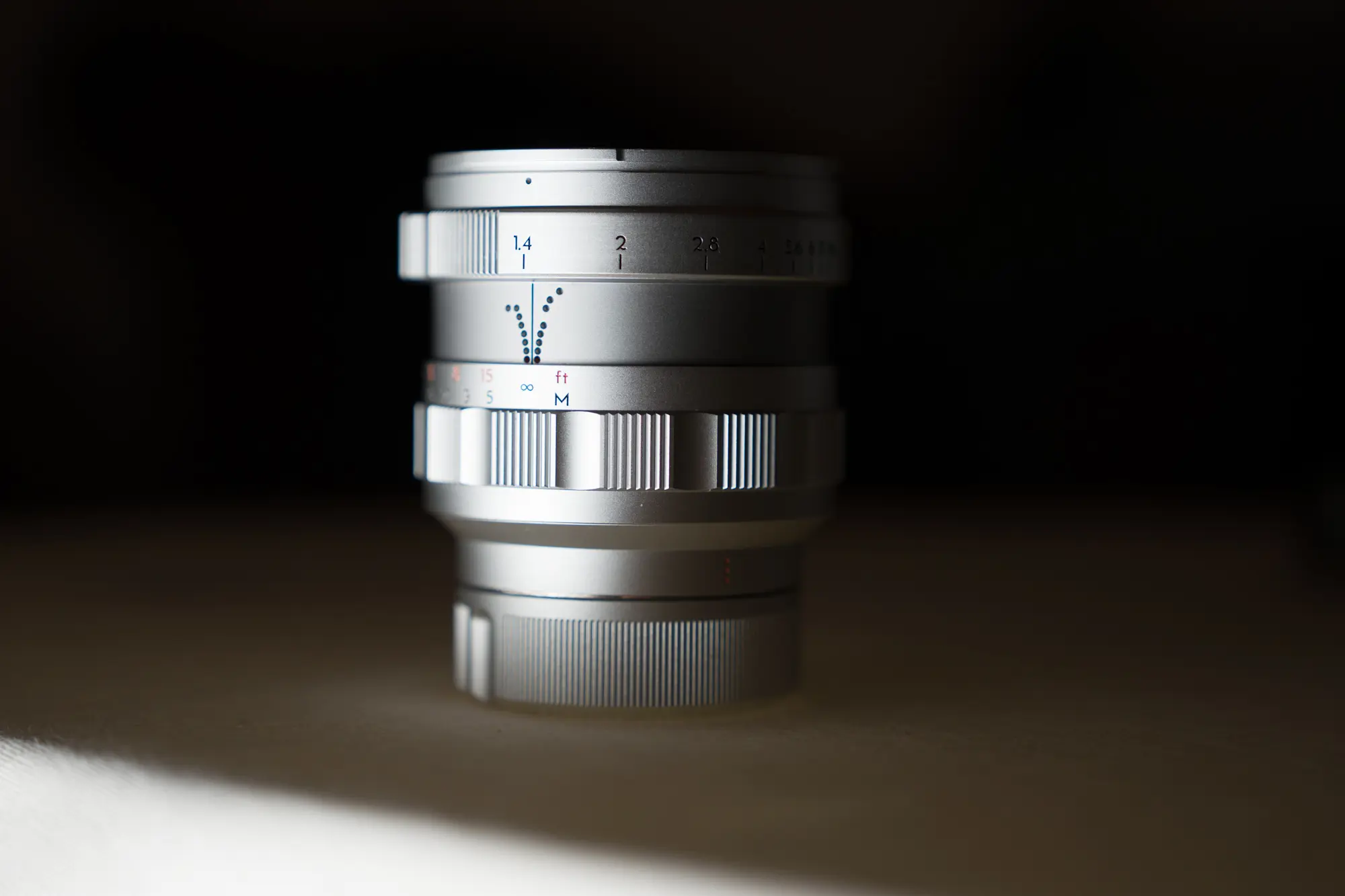
A 75mm f/1.4. My first thought was "that's going to be a big lens". But when I received it, I was surprised that it was lighter than I expected, at 372 grams, compared to my 50mm f/1.4 TTArtisan, which is 400 grams. It has a really nice aluminum build with a declickable aperture. The aperture clicks very nicely and the lens feels incredibly smooth to use.
Aperture
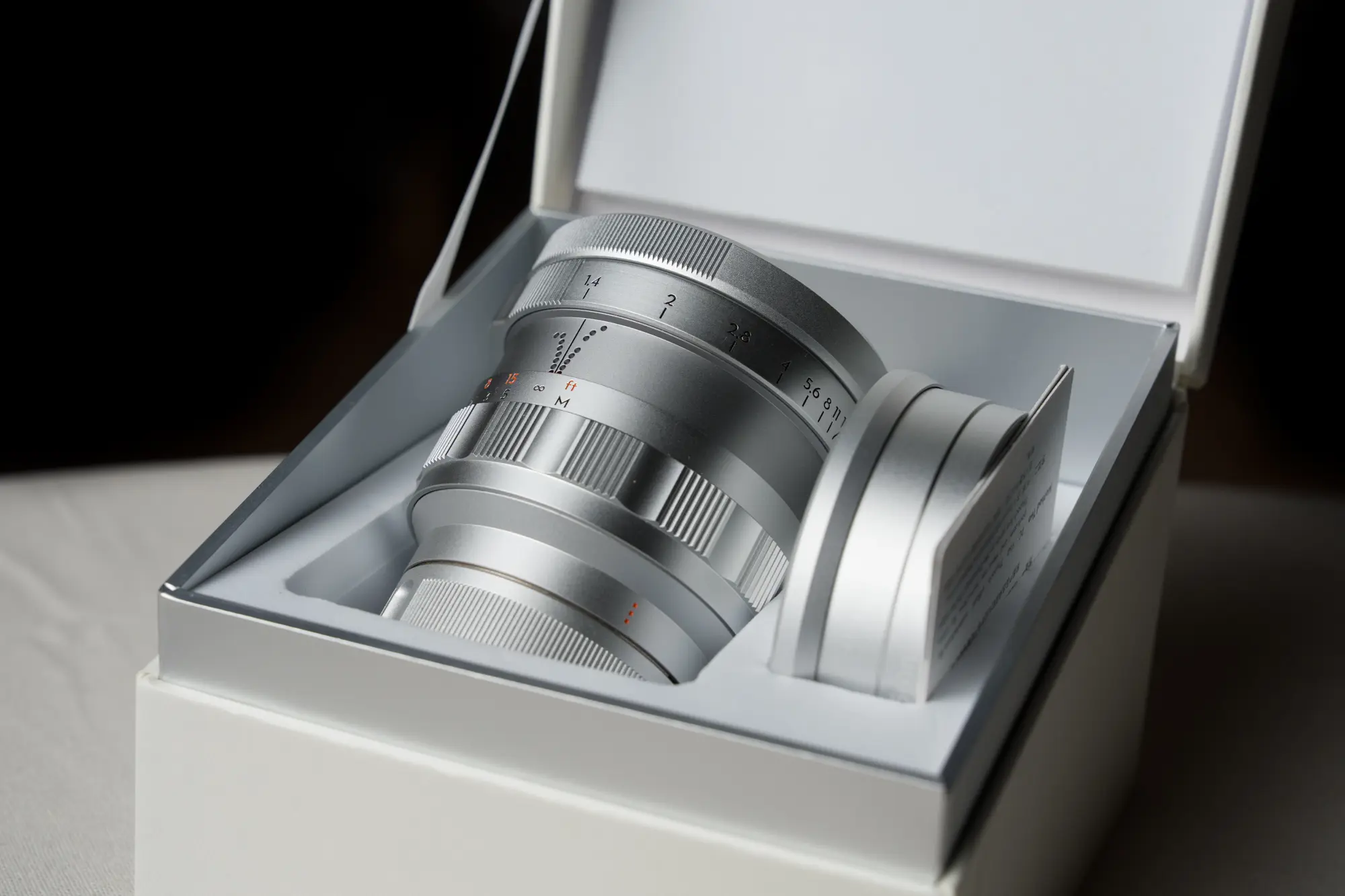
When turning the aperture from f/1.4 to f/16, you see the red distance markings change. It's a nice feature inspired from the Alpa Kern Macro-Switar 50mm f/1.9 lens. It does give the lens a premium look without adding too much clutter to the design. With sixteen aperture blades you can certainly expect a very smooth focus falloff. The big front element against the small text is aesthestically very nicely done.
The only con I can think of is that it makes this lens even less rain resistant than other lenses already are for the M mount, as water can go in through the holes of the aperture markings
Focusing
As I mentioned in the YouTube video, the focusing experience is silky smooth. The lens extends another ~2cm / 0.7 inch as you go from close focus distance to infinity. With a minimum focus distance of 0.6m
When turning the focus ring, the focus throw is around 120 degrees, where the first 20 degrees is from 0.6m to 0.7m, which gives you great precision. There is no focus tab but I feel like this lens does not need it. With a wide aperture you get a very thin depth of field, so it's important that you have fine grained control over the focus, and this lens delivrs on that.
It is really hard to focus this lens at f/1.4 on a rangefinder. I've had a few attempts photographing my brother and I get around a 50% hit rate on the eyes. To improve this you can get a diopter like 1.25x or 1.4x. I'm certain the lens is very well aligned from the factory. You do also not get any tools to adjust the lens.
To make it easier for yourself either improve the distance between you and your subject (to increase depth of field) or close down the aperture if the light allows it.
Packaging
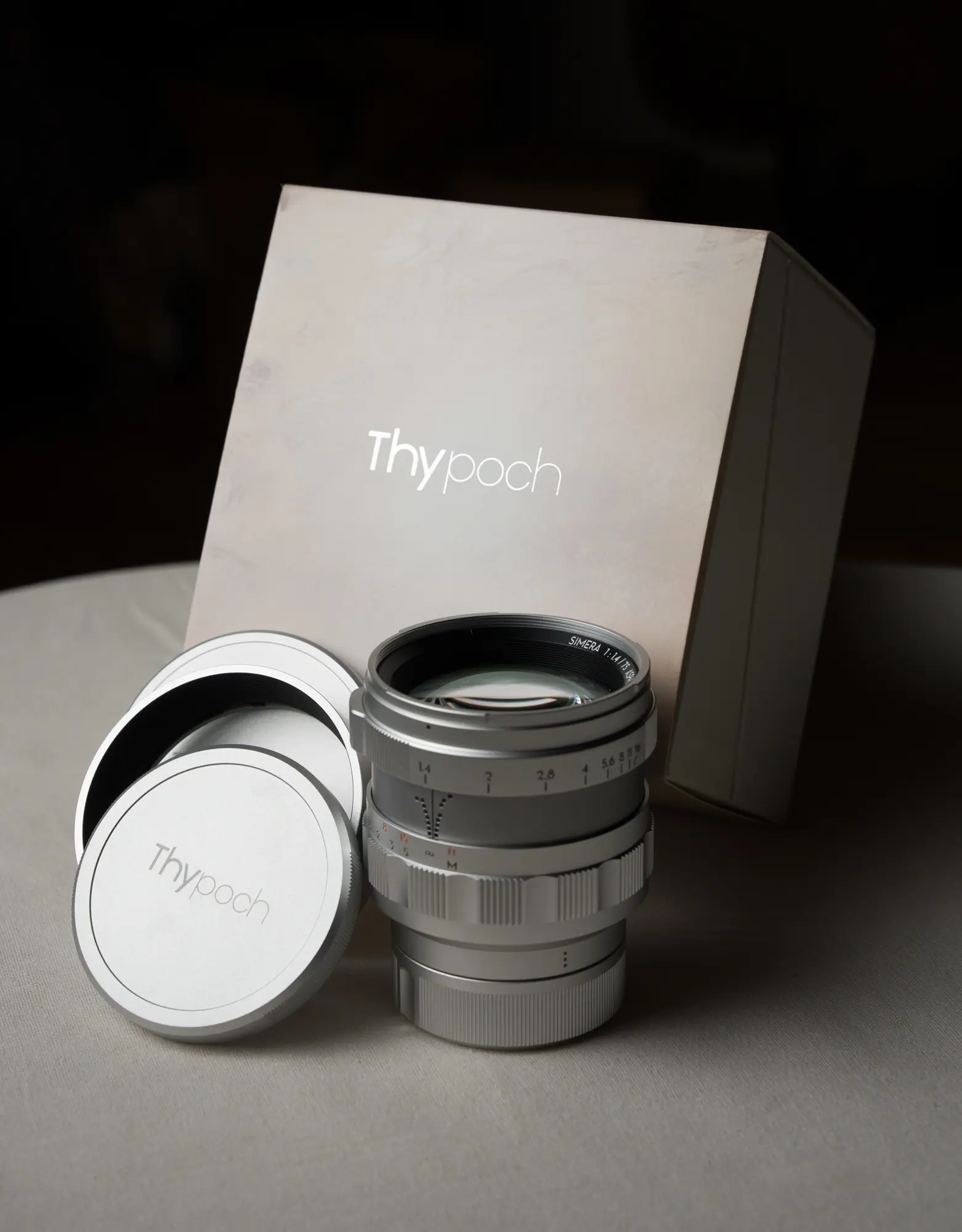
The lens comes in marble-colored packaging, with an aluminum bottom cap, a lens hood and two aluminum lens caps (where one fits on the hood). This packaging feels very luxury and I was satisfied with the unboxing experience. Even if it's just for once, it's not unimportant ;-). The hood snaps on the front of the lens (click twist) and both the lens and hood cap are felted on the inside, which improves the experience on using the lens.
The optics
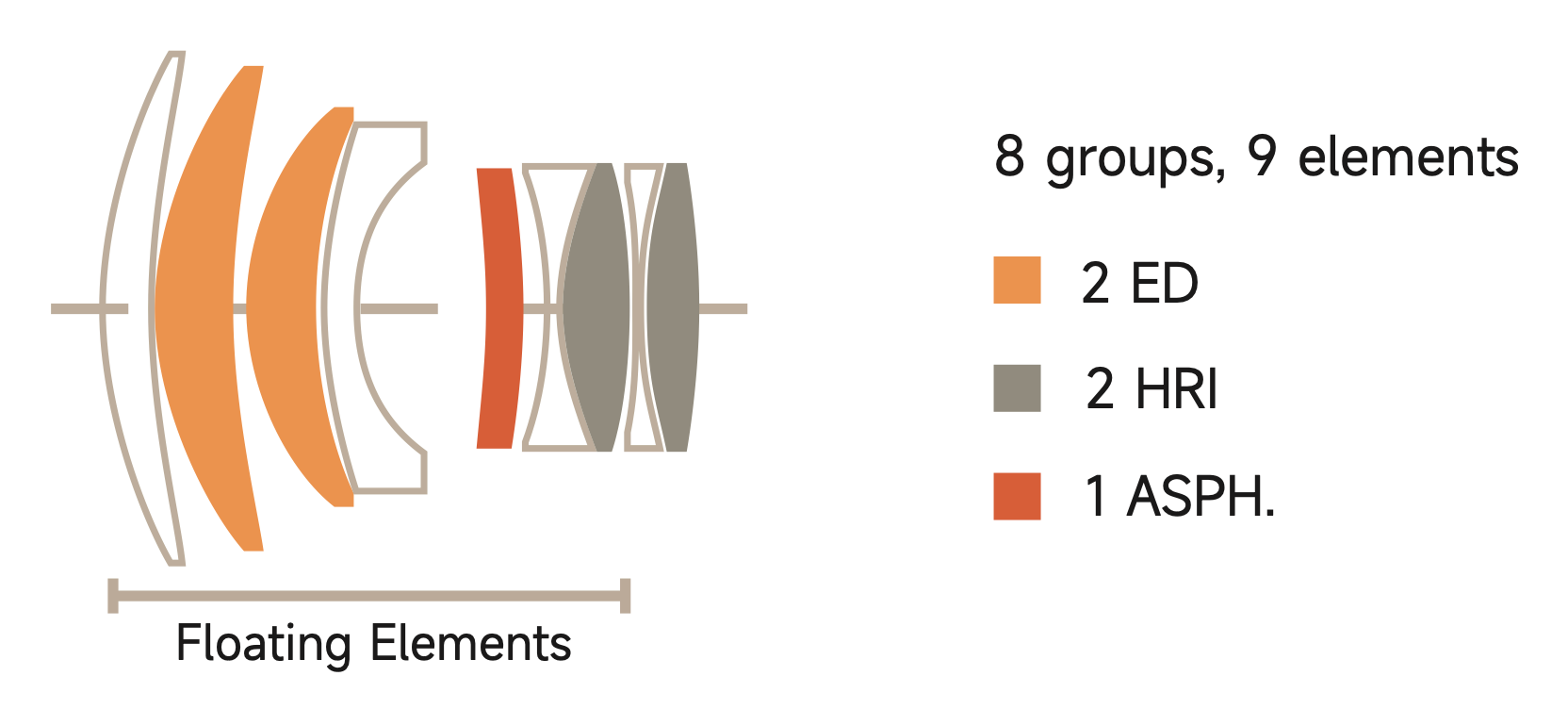
We're talking about a relatively well corrected lens compared to other 75mm lenses. The lens has 9 elements in 8 groups - compared to the 75mm Summilux-M f/1.4 III which has 7 elements in 5 groups. This implies that the Simera has a more complex design that is better corrected. The Summilux is also an older design from 1980 by Walter Mandler, which has an legendary status.
What this lens has is floating group of elements. The six front groups with seven elements can move as a single unit. According to Phillip Reeve's review this lens shows good corner sharpness and does not exhibit focus shift thanks to the floating lens element block.
Compared to the Nokton 75mm f/1.5 which seem to be better in the extreme corners, but comparable in the center (according to the review by Fred Miranda), the Simera has a slightly wider field of view as well as warmer tones. The Nokton has slightly higher contrast wide open.
This lens is also known to have a very smooth falloff due to the 16 aperture blades
Coating wise this lens has a white-ish color with a blue hue to it.
Image Quality
To preface, I have no direct comparisons when it comes to 75mm lenses. But there are several things that I immediately notice straight away. The first one is that this lens exhibits a low field curvature. No weird distortion when photographing people's faces. Portraits look straight and clean, as well as subjects close up.
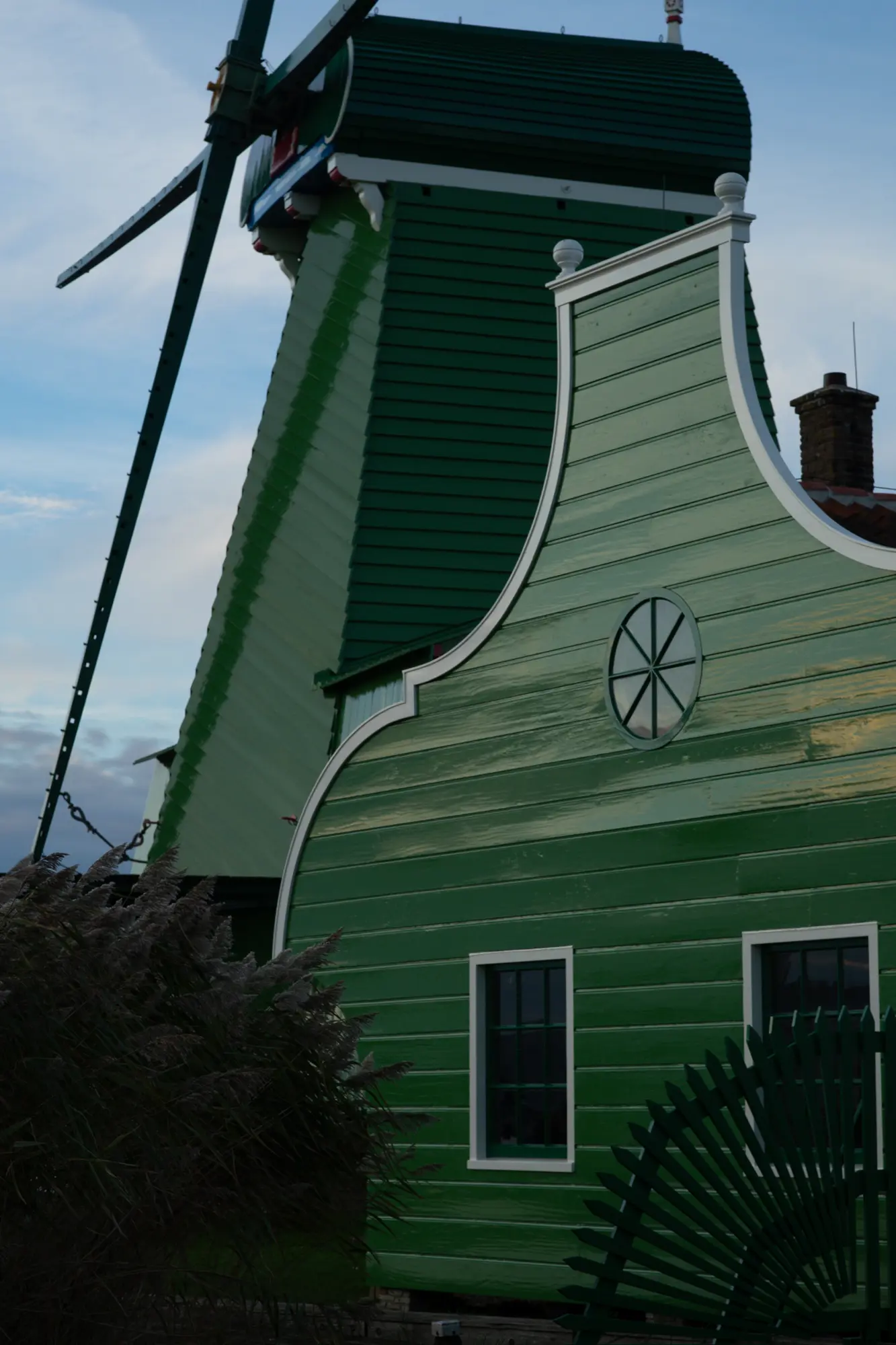
There's glow at f/1.4, which you can see in the following image. At f/2 this glow pretty much disappears. Compared to the 50mm f/1.4 Simera, which doesn't have this glow, and has a bit of a different rendering at f/1.4. You might want to take that into account when building out your entire Simera kit. At f/2 and f/2.8 all Simera lenses are very similar in rendering due to the high amount of aperture blades (14 for all the Simeras except for the 75mm f/1.4, which has 16).

The 75mm focal length
This was my first time using a 75mm lens. I used a Leica M2 and it's important to note that this camera model does not have 75mm framelines. To guesstimate the 75mm frame I had to move the lever from the 50mm framelines to the 90mm and take the frame in between. What I noticed was that I sometimes had forgotten to do this and then I took images, accounting the 50mm field of view, so some images came out cropped unintentionally. Take that into account if you buy this lens, make sure you either use a mirrorless camera or a Leica M rangefinder that has the 75mm framelines.
This focal length made me lean more into vertical compositions. Due to the compression it was sometimes relatively hard to frame, so I also liked to focus on smaller details and getting closer to the subjects, which was easily possible with this lens. Although, with bigger landscapes it's easier to shoot images horizontally.
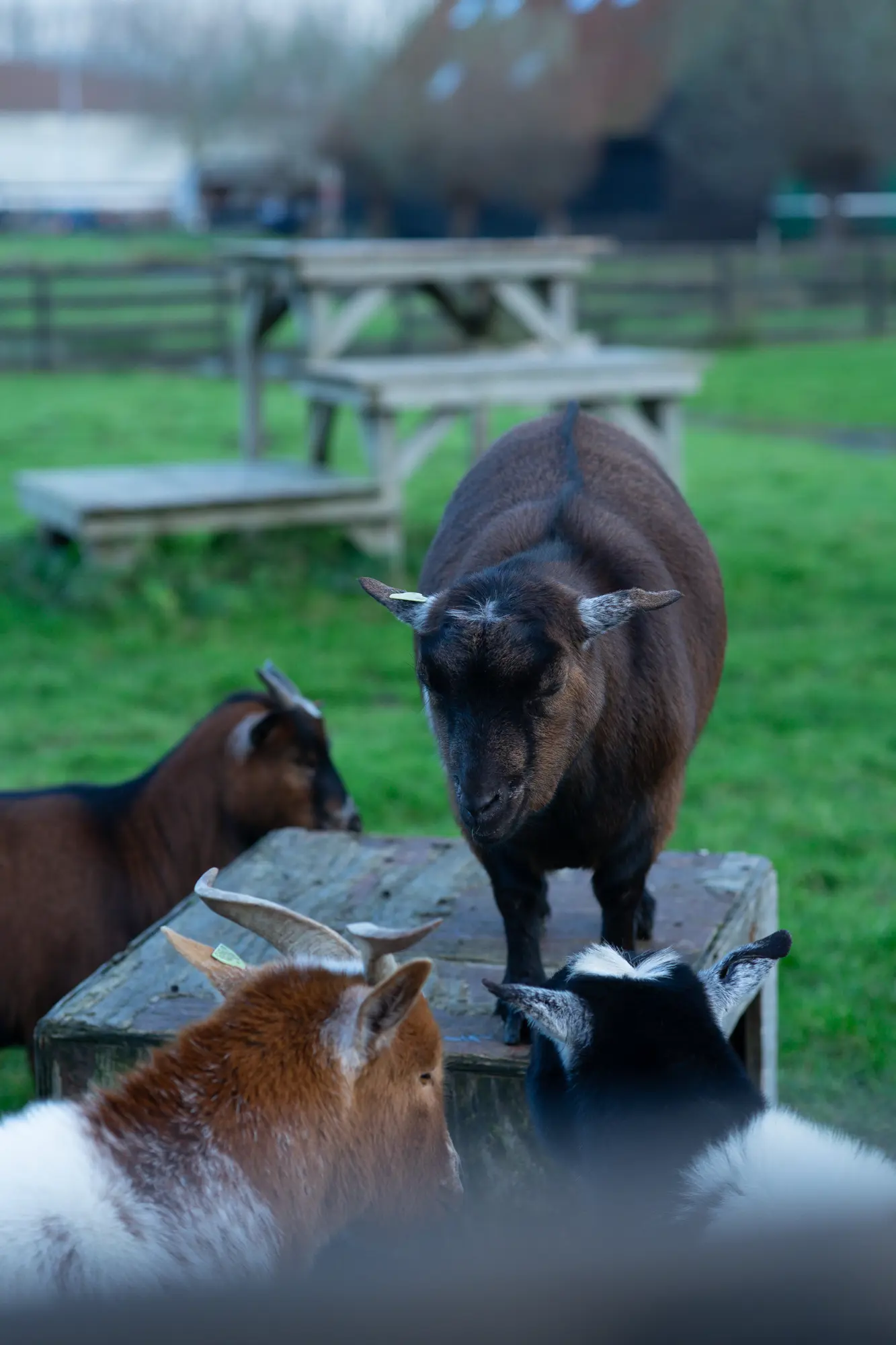
Regarding portraiture, I think this focal length is really good if you want to shoot upper body portraits or getting really close and take headshots. It also makes animals look good, which might be useful to some of you ;-).

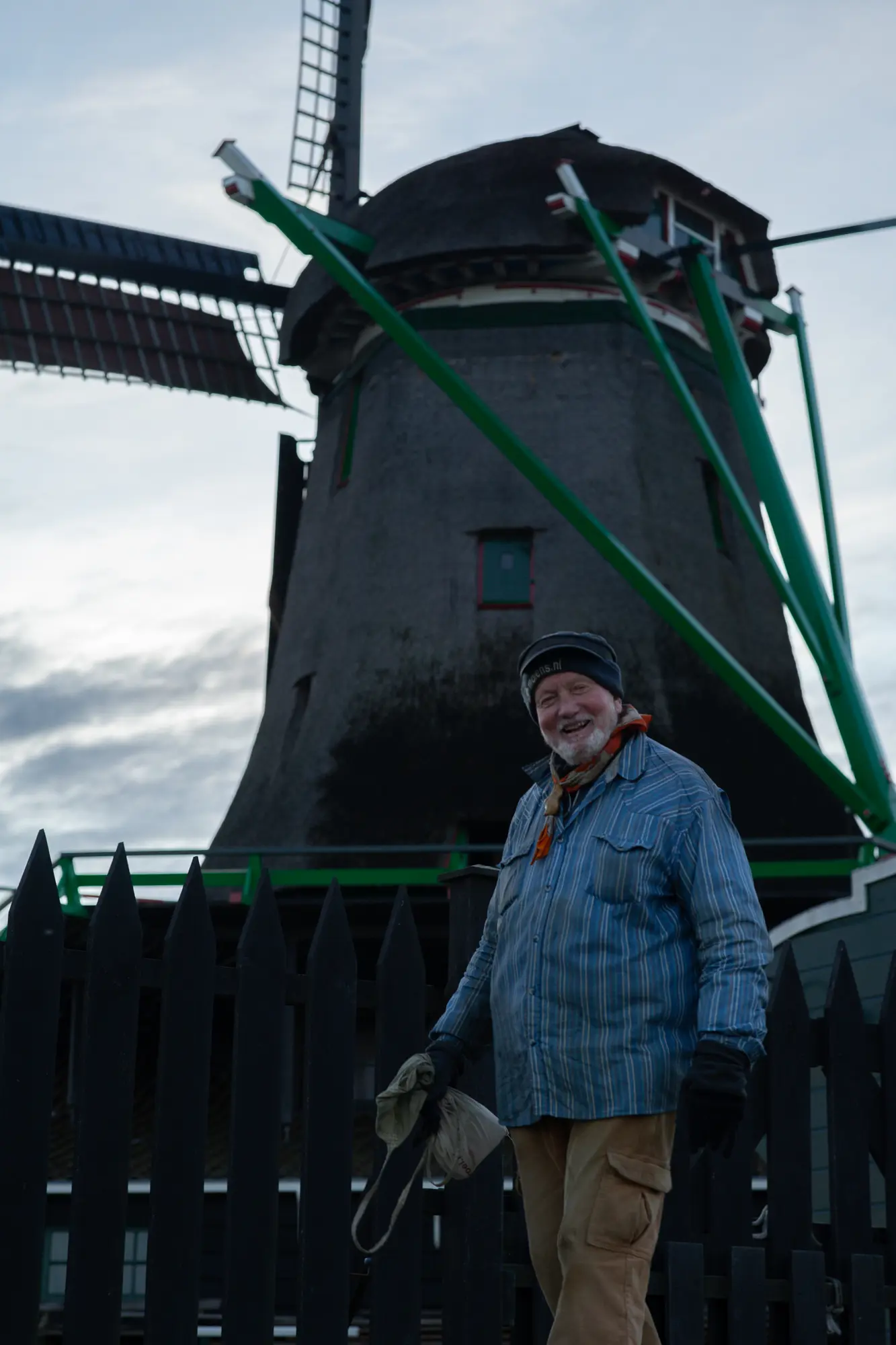
I was very lucky during a photo session in the Zaanse schans and managed to capture a millman coming out of the windmill, as it was nearing the end of the day. I was fumbling a bit with my camera but still managed to get a pretty sharp image!
Background blur
With a minimum focus distance of 0.6 meters you can get a very smooth background blur, especially at f/1.4, but even at f/2.8 you can have a lot of bokeh ;-).

This lens has smooth focus transitions due to the 16 aperture blades and it is almost a cheat code on creating images that are easy on the eyes.

Compared to other 75mm f/1.4 lenses
Again, I have not tried any of the other lenses yet. This information is carefully selected using sources on the internet.
Leica Summilux-M 75mm f/1.4 III
To preface, this lens is 190g heavier at 560 grams. For me that would be a deal breaker if I bring out my M body all day on a trip. Although I'd be lying if I'd say I wouldn't want to try it. This lens, as I've heard, is a legendary optical design made by Walter Mandler, who also made the v4 35mm f/2 Summicron as well as the 1970s v4 (and v5) 50mm Summicron. That 50mm Summicron optical design is still sold as of today, that says enough!
The Summilux seems to have a slightly busier out of focus rendering and a slightly more vintage glow as well.
Voigtlander Nokton 75mm f/1.5
The most direct competitor to the Simera, with a similar price point and rendering. The Simera has a bit better performance across the entire focus range (due to floating lens block) and better minimum focusing distance. The Nokton is just ~20 grams lighter so that's negligible. In my opinion the Simera also looks far better on the M bodies, design wise.
7Artisans 75mm f/1.25 II
They also recently released a new f/1.25 lens for Leica M shooters. If you really like super thin depth of field or really need the extra light gathering capability, this lens might be interesting for you. Take into account this is not an easy lens to focus, according to multiple YouTube reviews. The rendering seems to be quite similar, but it's a more simple optical design compared to the Simera, which could possibly result in focus shift.
Voigtlander 75mm f/1.8 Heliar Classic
The Heliar is known as a character lens. In this sense, it's not really a comparison, but two entirely different optical designs. Weight wise, the Heliar is 50g heavier. It's an older VM design, slower on paper and in my opinion a bit less good looking aesthestically. It has 1m MFD compared to Simera's 0.6m which limits its general purpose usability. This lens might be interesting if you can get it really cheaply, or have a look at the 75mm f/2.5 Color-Heliar instead, which has the weight benefit as a trade off for a smaller maximum aperture.
Verdict
This is a really easy recommendation. With a lens that's fast, well priced, great aesthestics combined with a good balance of speed, sharpness and weight, I can not do anything else but give this lens an Excellent rating.
For portraits, this lens is simply a cheat code. Very smooth focus falloff due to the sixteen aperture blades. It's easy to manage depth of field, with f/1.4 you have a lot of choice whether you want to show the background or not.
Due to the compression effect it is easy to isolate a subject. Capturing tiny details is a lot more fun if you have a tighter lens. On low iso (50, 100, 200) film it is helpful to have a large aperture available, especially if it gets dim in the afternoon.
A little bonus
There's a discount in the Thypoch store (code: LEICALENSLIST) that can be applied on buying this lens, giving you 5% off. During sales (Easter, Christmas and other Thypoch sales) it is also possible to add this discount to the already discounted price, giving you really good value for money.
Thank you for reading this blog post, I really appreciate it! :) Kind regards, Thomas
More film images

More digital images



Comments