Thypoch Ksana 35mm f/2 Review - The Golden Boy
A solid lens for a really good price. Flat field curvature, good sharpness until extreme corners, golden coating. Brass build, 199 grams.
I got the privilege to review a demo unit of this lens before the embargo gets lifted. My opinions are my own, and Thypoch won't see the article and video before it gets published. I'm also not getting compensated in any way, and the lens will be sent back after testing.
TL;DR
At the price of USD 599 or EUR 529 from the Thypoch Store (use code LEICALENSLIST for 5% off!), the Ksana 35mm f/2 is a very serious contender to the Leica Summicron 35mm f/2 ASPH as well as the Nokton and Ultron lenses by Voigtländer. The only difference is the amber coating, giving the photos a slight summery look, reminiscent of the 80s Olympus Zuiko coating. This is only the case when shooting against the sun and it does not leak into the shadows of the image.
This is a contrasty, modern optic compared to the 80s Zuiko glass. It just inherited a slight bit of its character in flare control, but otherwise it's just a well corrected optic with flat field curvature and no distortion. What I like the most about the lens is the punchy colors it produces, especially with the sky.
The all-brass build feels really smooth to use, although I'd wish for a bit more crisp aperture control.
According to MTF graphs, this lens is sharper and better corrected than a Summicron 35mm f/2 ASPH.
Hot take, I think this lens could really work well with love shoots, weddings, summer events and such, if you're going for a specific look.
Prefer a YouTube video instead? Click here!
The Ksana Series
Firstly, Thypoch started with the Simera and the Eureka series. The Thypoch Ksana series is relatively new, with the 21mm Ksana being the first one that is released. At first sight, the Ksana series seems to be focused on relatively small optics made for the M mount, having a low weight.
Where the Ksana differs from the Simera and Eureka series is their Epoch coating, which is reminiscent of the 1973 Canon FD lenses with the yellow coating. The 21mm Ksana's design is reminiscent of the Kobalux (or Avenon) 21mm f/2.8, with a classic machined metal ribbed (scalloped) focus ring. With the 21mm Ksana's coating being a '73 coating, the 35mm f/2 Ksana has a '84 Epoch coating.
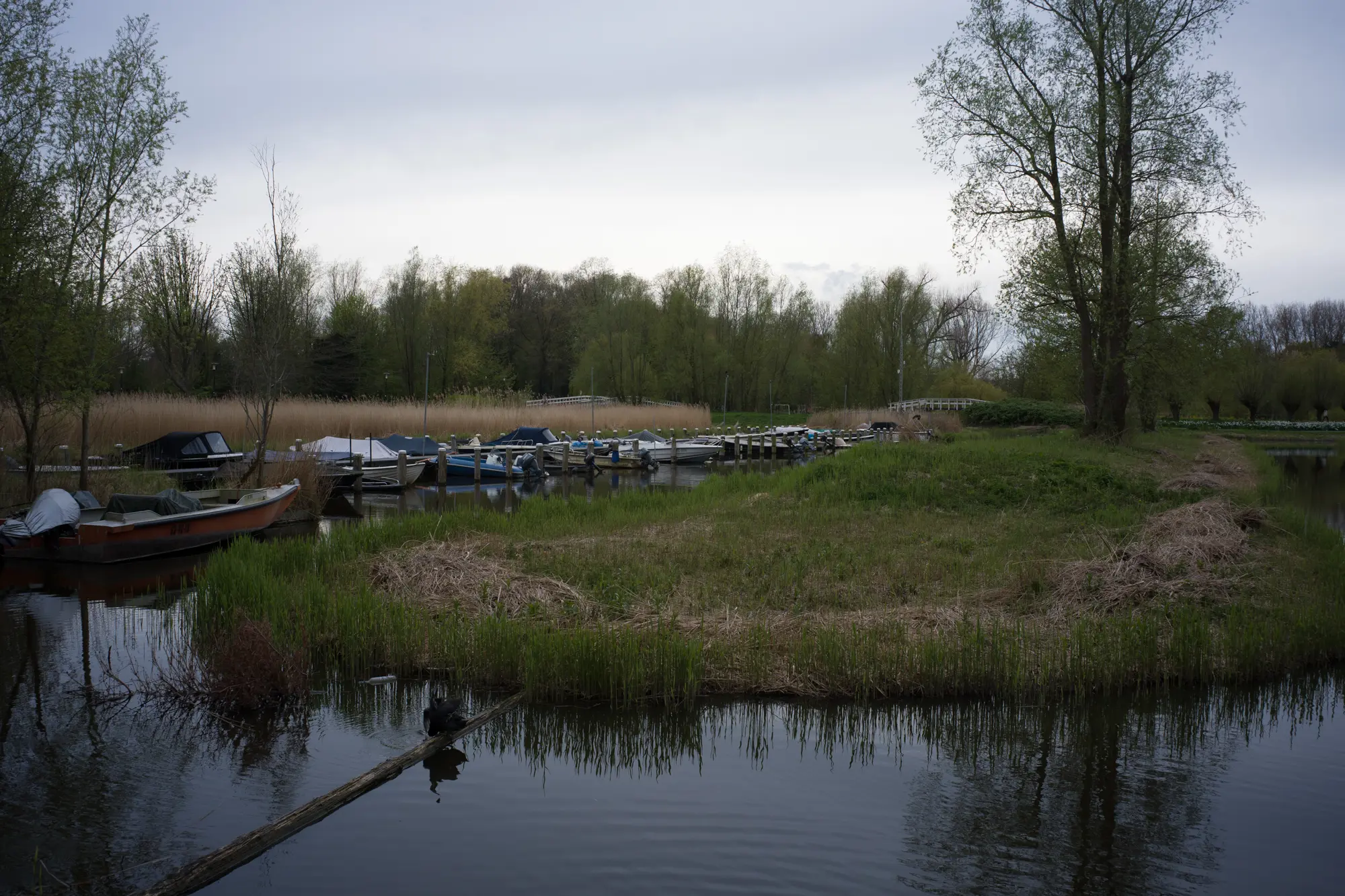
To test out this lens, as I only have a week for the first initial test - film images will come later - I will be bringing this lens to Haarlem, a city in the Netherlands, around 20 minutes by train from Amsterdam, closer to the sea.
Haarlem is a city just as old as Amsterdam and it's a great alternative if you like a quieter city compared to the hustle and bustle in the capital city. There's a lot of historic architecture, canals, museums and cozy cafés. it's known as "Little Amsterdam", but I rather disagree with it. It's slightly different and should not be compared. If you like the beach, Zandvoort is 10 minutes by train from Amsterdam. Super crowded in the summer, though!
The Lens
Build quality
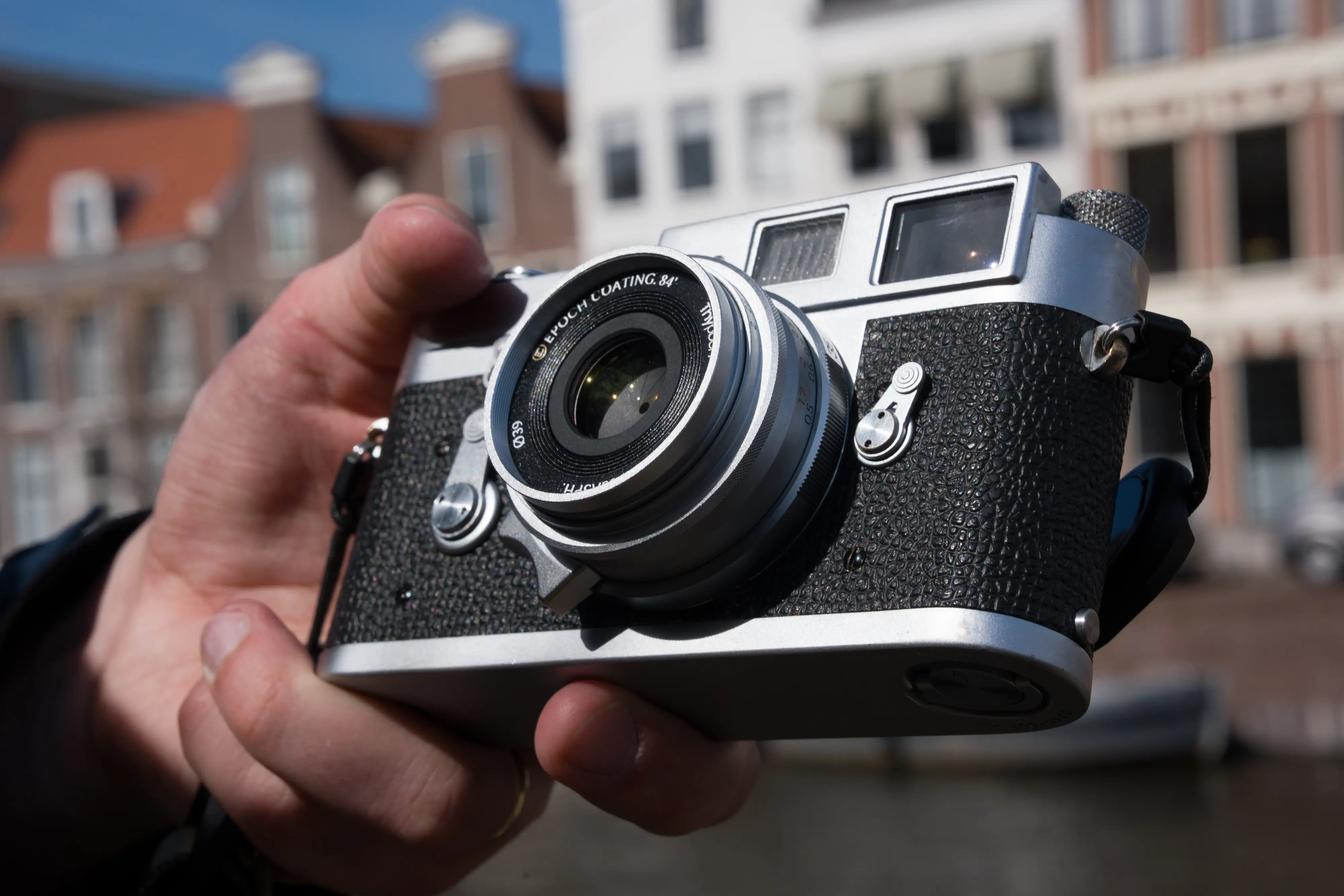
Immediately when I took out the Ksana out of its packaging, I took notice of the compactness of the lens as well as the solid build quality and the smooth feeling focus ring. Compared to other 35mm f/2 lenses (e.g. the Summicron and the Ultron), this Ksana had a relatively small front element and is not recessed that much.
The lens has a 42mm front diameter, has 27mm length and weighs 199 grams. Compared to the 35mm f/2 Summicron, which has a 53mm front diameter and 35mm length, the Ksana is certainly smaller.
The mount ring of the Ksana is a very slightly differently coated material compared to the rest of the lens. I had to look a few times but I think it's a different material that is an stronger alloy, as the mount plate always takes the most load.
The lens is fully made of brass. Thypoch mentioned that the brass will show nice wear if you use the lens a lot. For the silver versions, this is chrome-plated brass, hence the 199g weight of the Ksana.
Honestly. I'm impressed they could release this lens at a price of USD 599, or EUR 529. Even the brass version of the Mandler 35mm f/2 which is a simpler optical design that already was researched / existed before, is for sale for USD 538, which is 10% less.

Looks
I've been testing the silver-colored Ksana and it matches very well with the chrome of my Leica M2. The knurled ring looks clean and fits this design well. This design is actually better than the 21mm f/3.5 Ksana, where the aperture ring is very similar to the focus ring, which led to complaints from users accidentally adjusting the aperture instead of focus.
The lens is aesthestically pleasing and looks balanced. The front rim with the text does light up more in specific angles of light.
From what I've seen, they've started making the typography on their lenses a bit more consistent, so that already looks better than their earlier offerings. The yellow coating is visible and certainly looks interesting!
Aperture
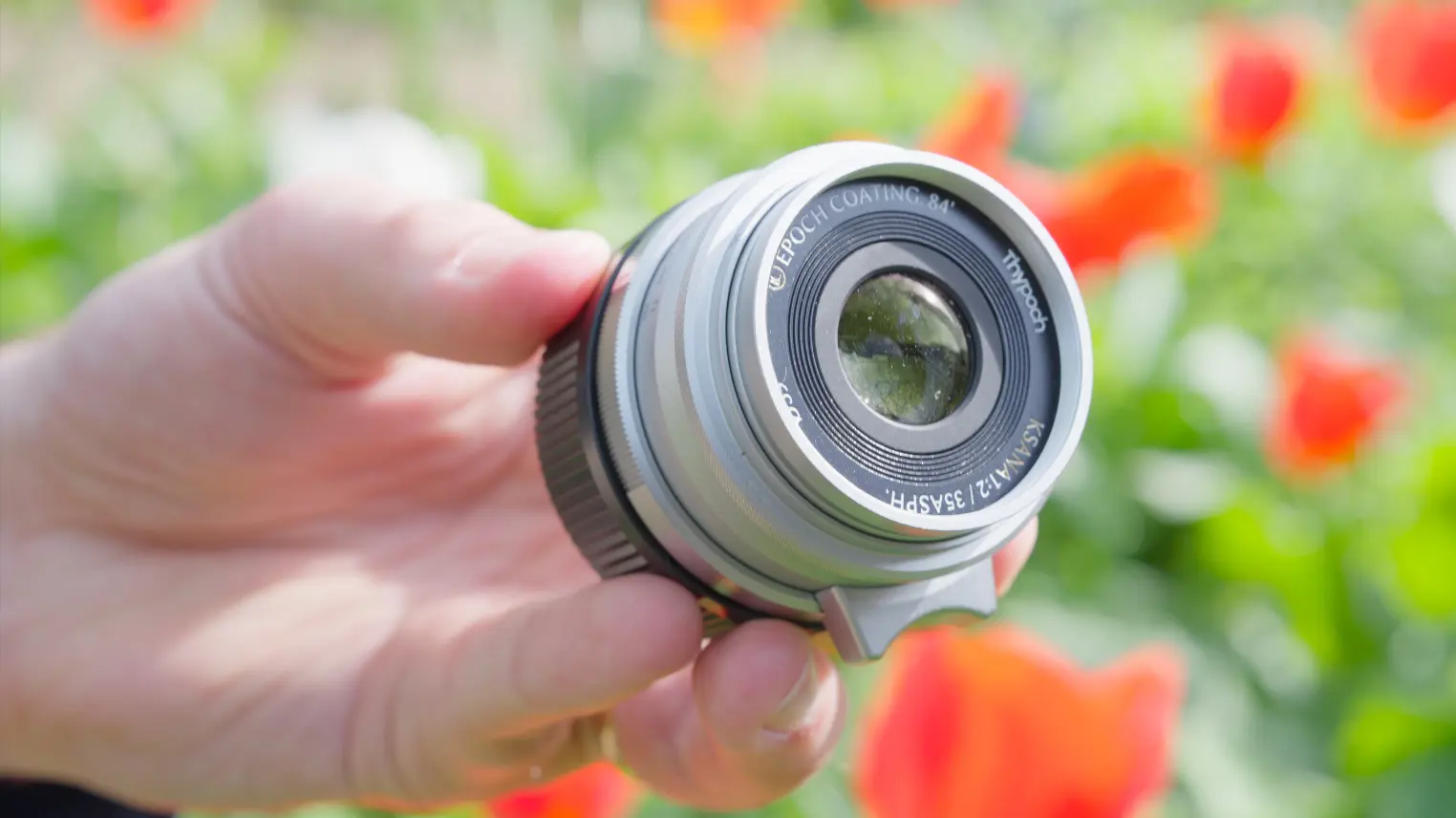
The Ksana 35mm f/2 has a knurled aperture ring which is an feature I havent seen in any other lens and I do like the tactility of using this ring. It does give the lens a more modern and especially unique look, in a way. This also makes changing the aperture really easy with your fingers, which is a plus in my eyes. This is also better compared to the 21mm f/3.5 Ksana, where the aperture ring is nearly the same size as the focus ring.
The aperture clicks are tactile, but not as tactile as the 35mm f/1.4 Nokton and the 50mm f/2.2 Color Skopar I own. But they're still clear enough to feel the difference and you can count the stops. I don't see it happening that you will accidentally bump the aperture to another f/stop. Do I prefer the Voigtlander aperture ring clicks? Yes, but I'm satisfied with the Ksana too.
Focus controls
The lens focuses from 0.5m to infinity. The lens focus controls feels smooth to use, with a notch at 0.7m. There's about a 120 degree focus throw, with the first 30 degrees being from 0.5 to the notch at 0.7m. From there on it's 0.7m until infinity. This is a relatively short focus throw, well dampened and works very well.
Optics
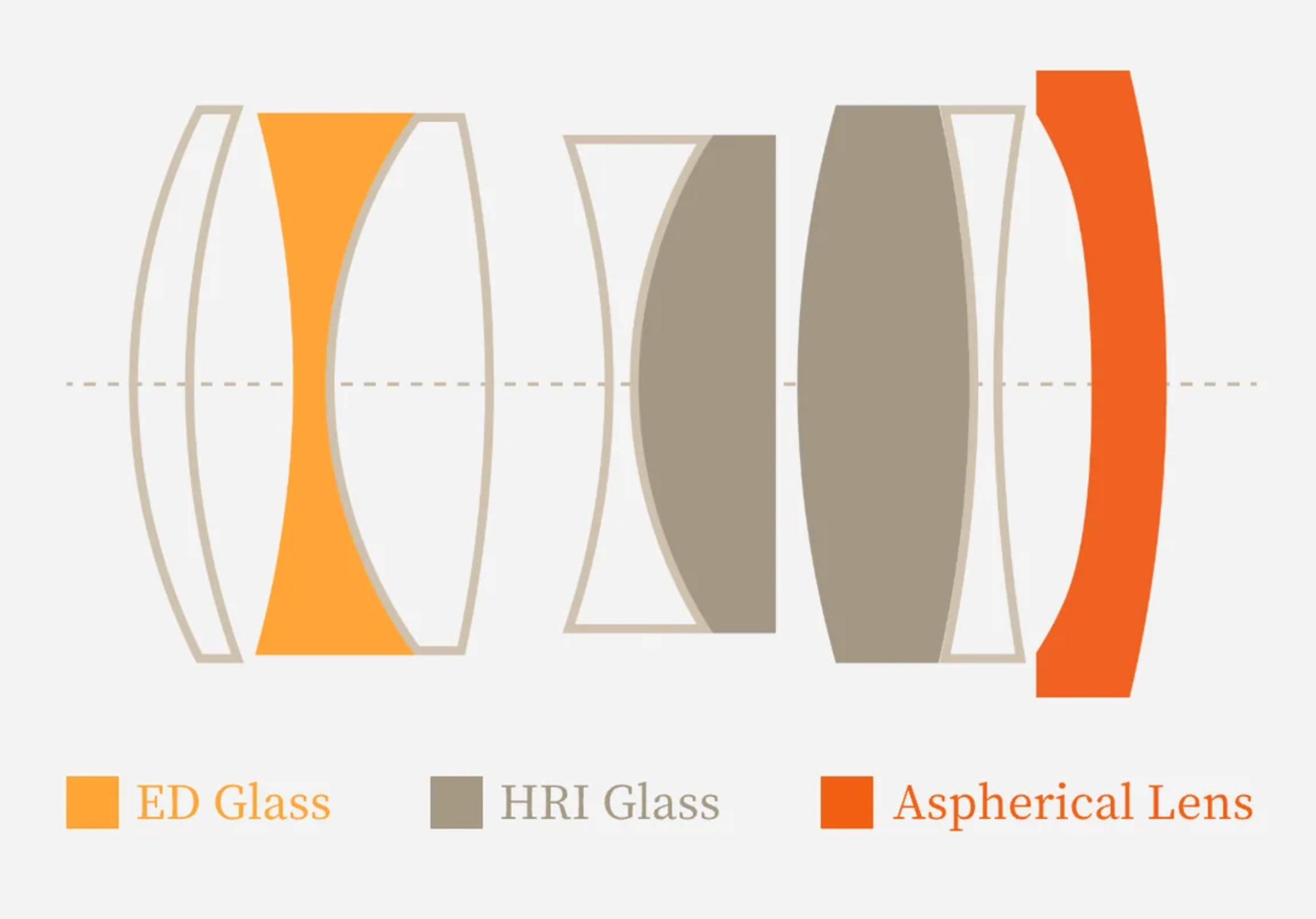
With an 8 element in a 5 group design, the 35mm f/2 Ksana has a more complex optical design than a Leica Summicron 35mm f/2 v4 and ASPH (7 elements in 5 groups), and similar to the Voigtlander Ultron (8 elements in 5 groups). The Ksana includes one aspherical, one extra dispersion and two HRI elements, which deliver high sharpness and excellent control of chromatic aberration.
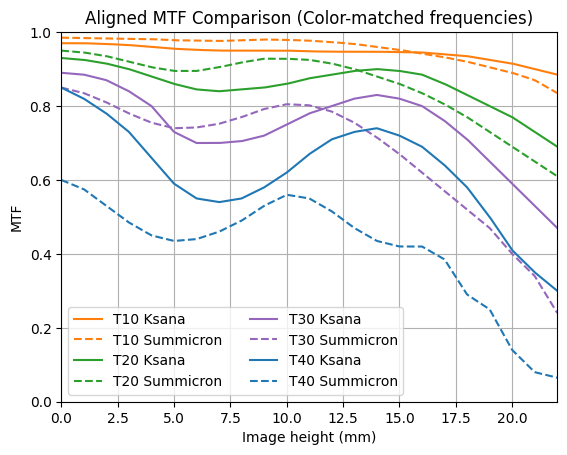
At *10 lp/mm, the two lenses are effectively matched. Both hold strong contrast from center to edge, and any difference at this frequency would be difficult to observe in practice.
At 20 lp/mm, small differences begin to appear. The Ksana shows a dip in the mid-field before recovering toward the edges, which is typically associated with a slightly curved field. The Summicron tapers more uniformly from center to corner, without the mid-field recovery.
At 30 lp/mm, the separation becomes clearer off-axis. The Ksana maintains more structure as the image height increases, while the Summicron gradually loses contrast toward the edges. The difference is most visible in fine textures away from the center.
At 40 lp/mm, the gap is most pronounced. The Summicron drops to low contrast in the outer frame, while the Ksana retains measurably more detail across most image heights.
Summary: for center-weighted compositions, both lenses perform comparably. For work that relies on edge-to-edge resolution — landscape, architecture, or high-resolution sensors — the Ksana shows an advantage in the outer frame, particularly at higher frequencies.
Field curvature is present but symmetric between S and T — meaning flat subjects (test charts, brick walls) will show a dip-and-recover pattern, but the lens isn't "splitting" the image into two focus planes. In other words, not noticeable at all during real world use.
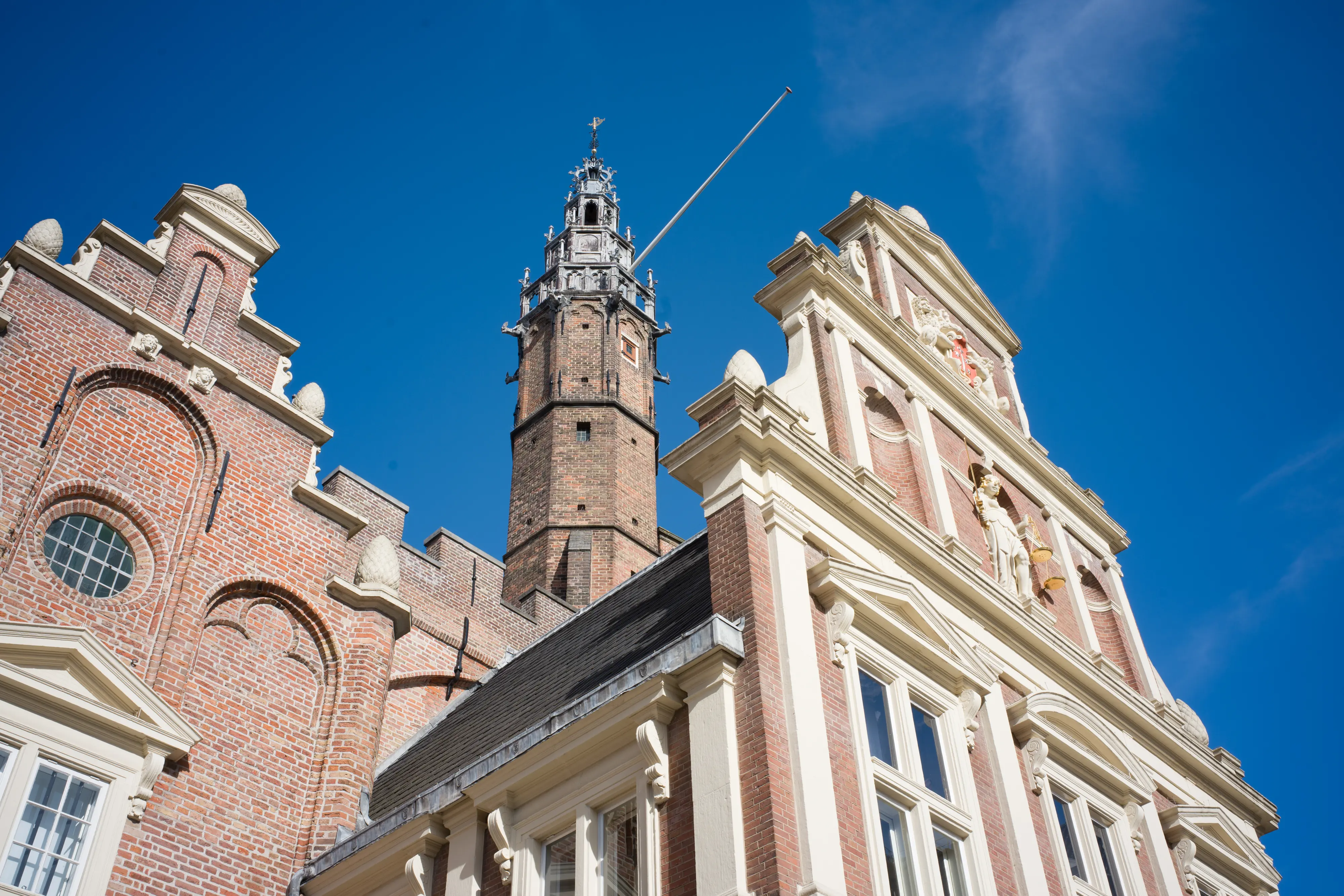
Image quality
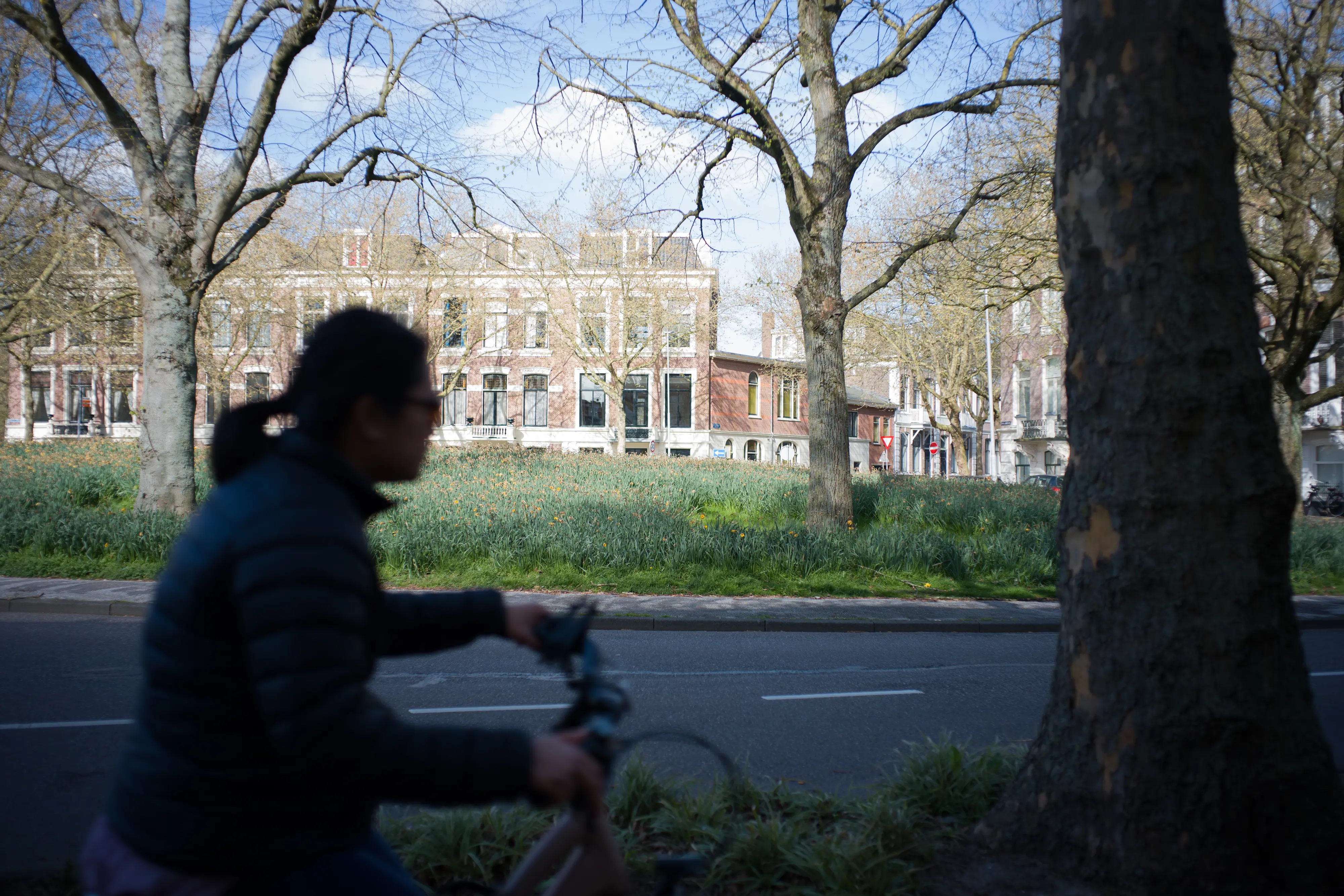
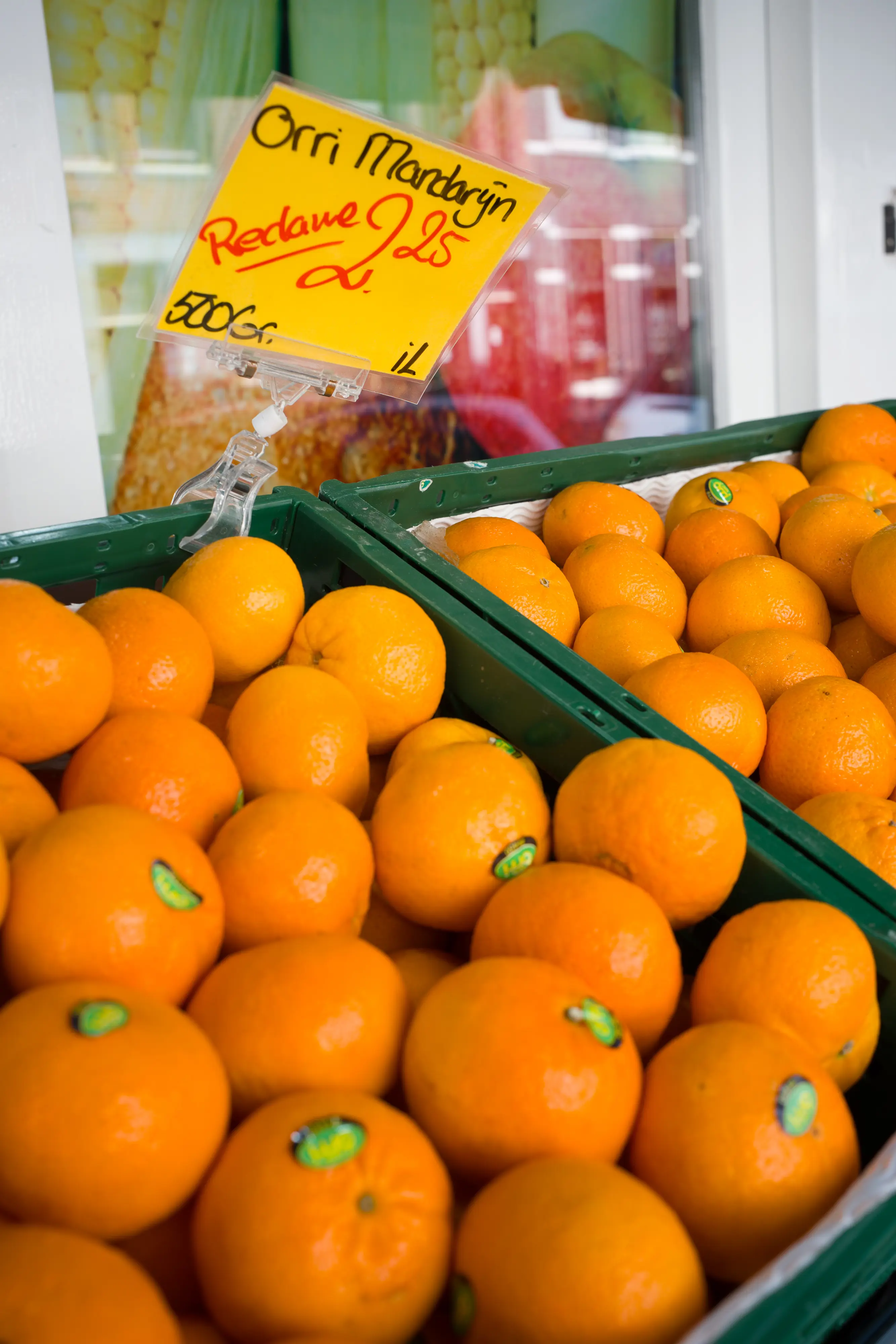
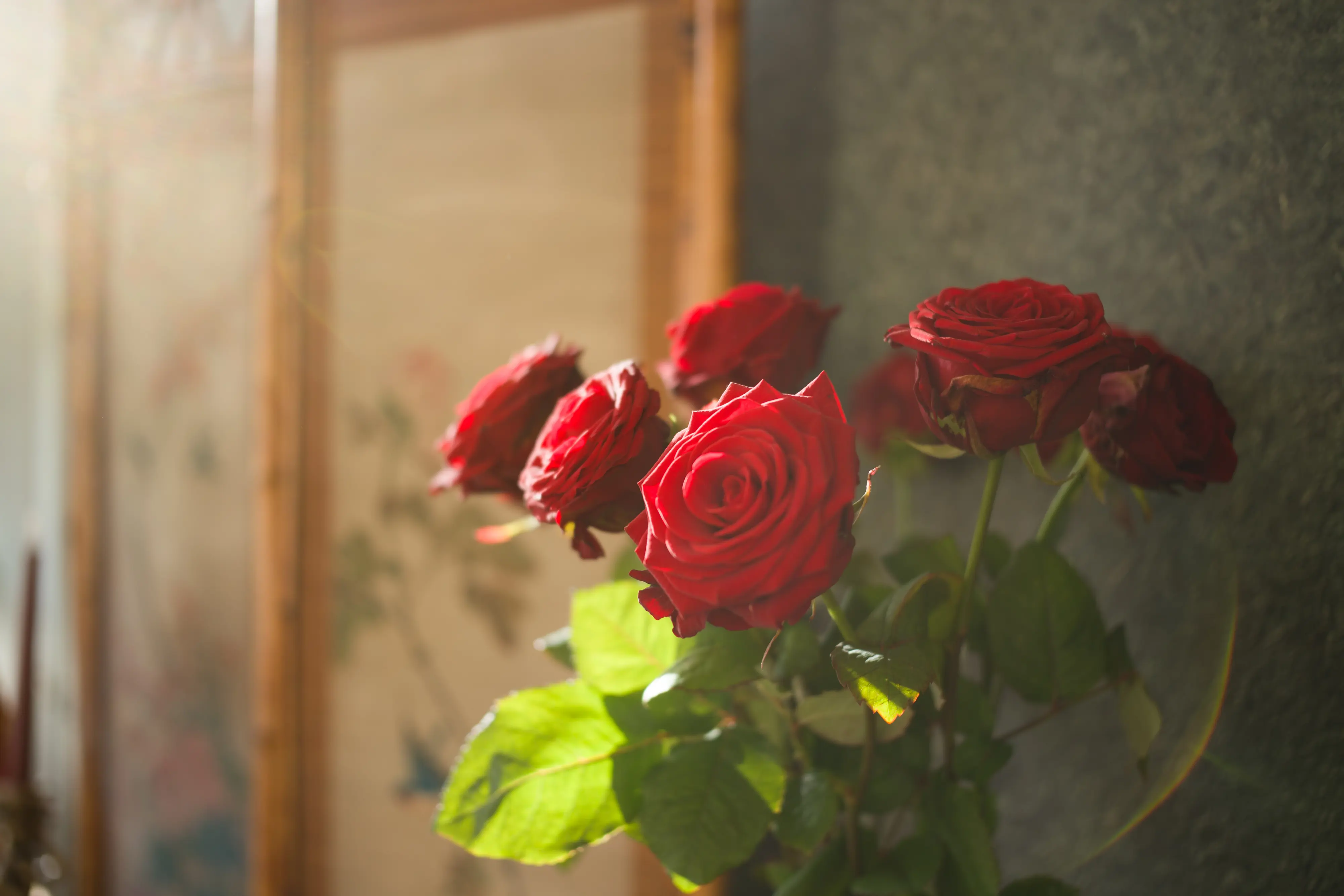
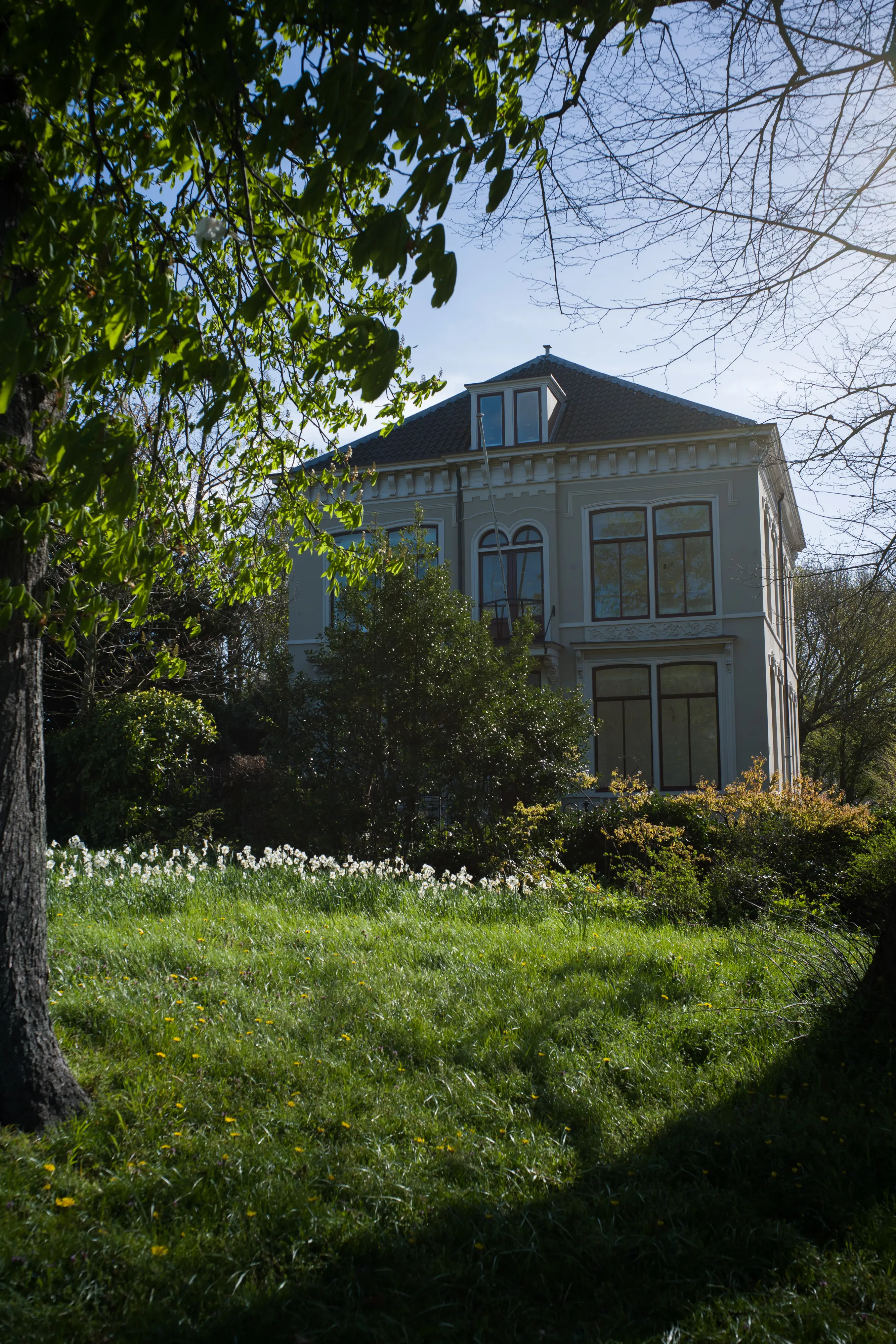
Before talking about the other aspects of image quality, let's look at the general image quality. For such a tiny lens, the Ksana renders very well. It has flat field curvature, smooth bokeh and great colors. With modern coatings with a slight vintage feeling to it. The focus falloff is smooth as well, making images pleasing to look at.
Chromatic aberration
There is some very slight CA in the extreme corners of the image, at f/2. This is expected of a small lens this size and can be easily corrected in Lightroom. We're splitting hairs here. Due to the extra dispersion glass used in this lens, CA has been taken care of for the most part.

Coating
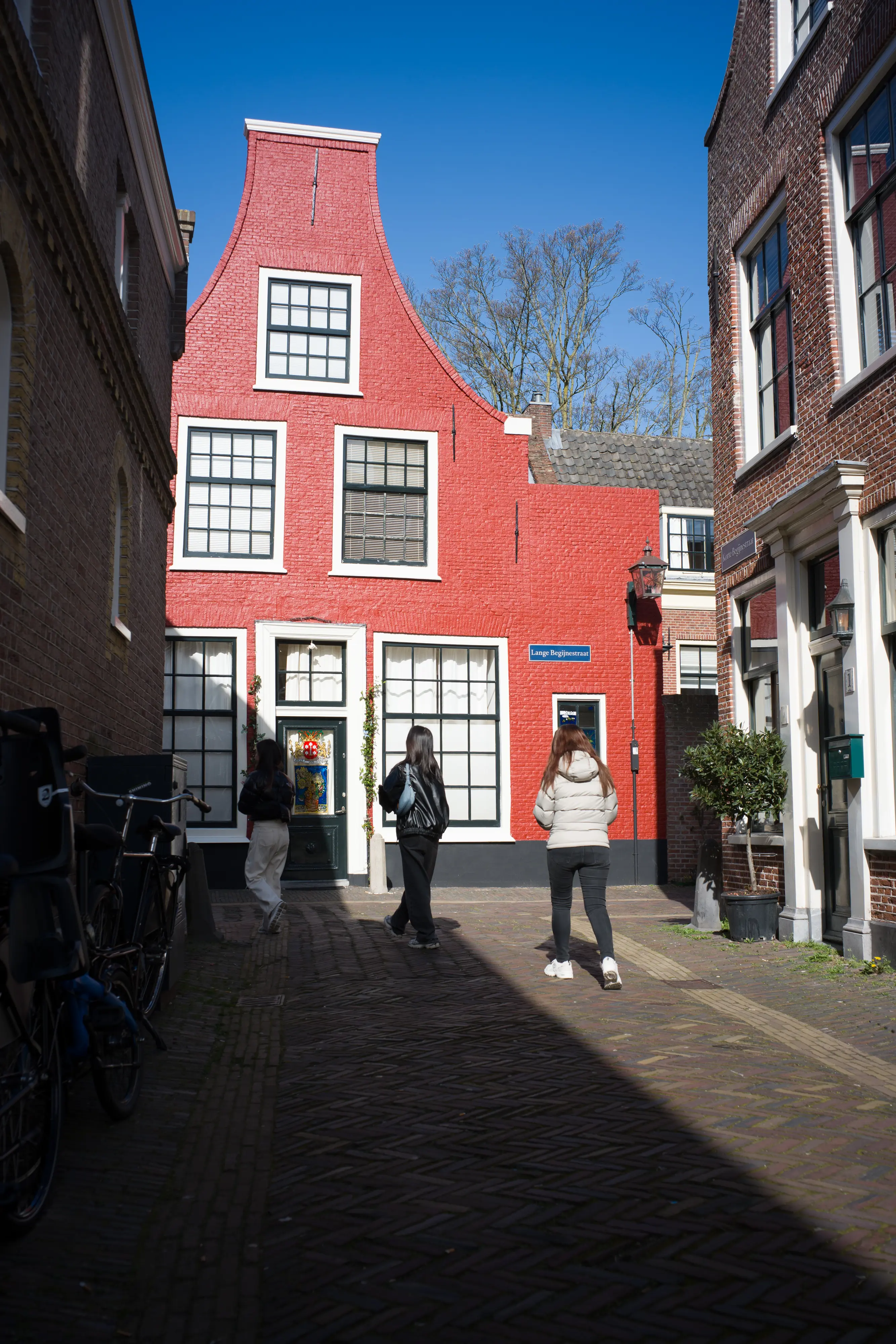
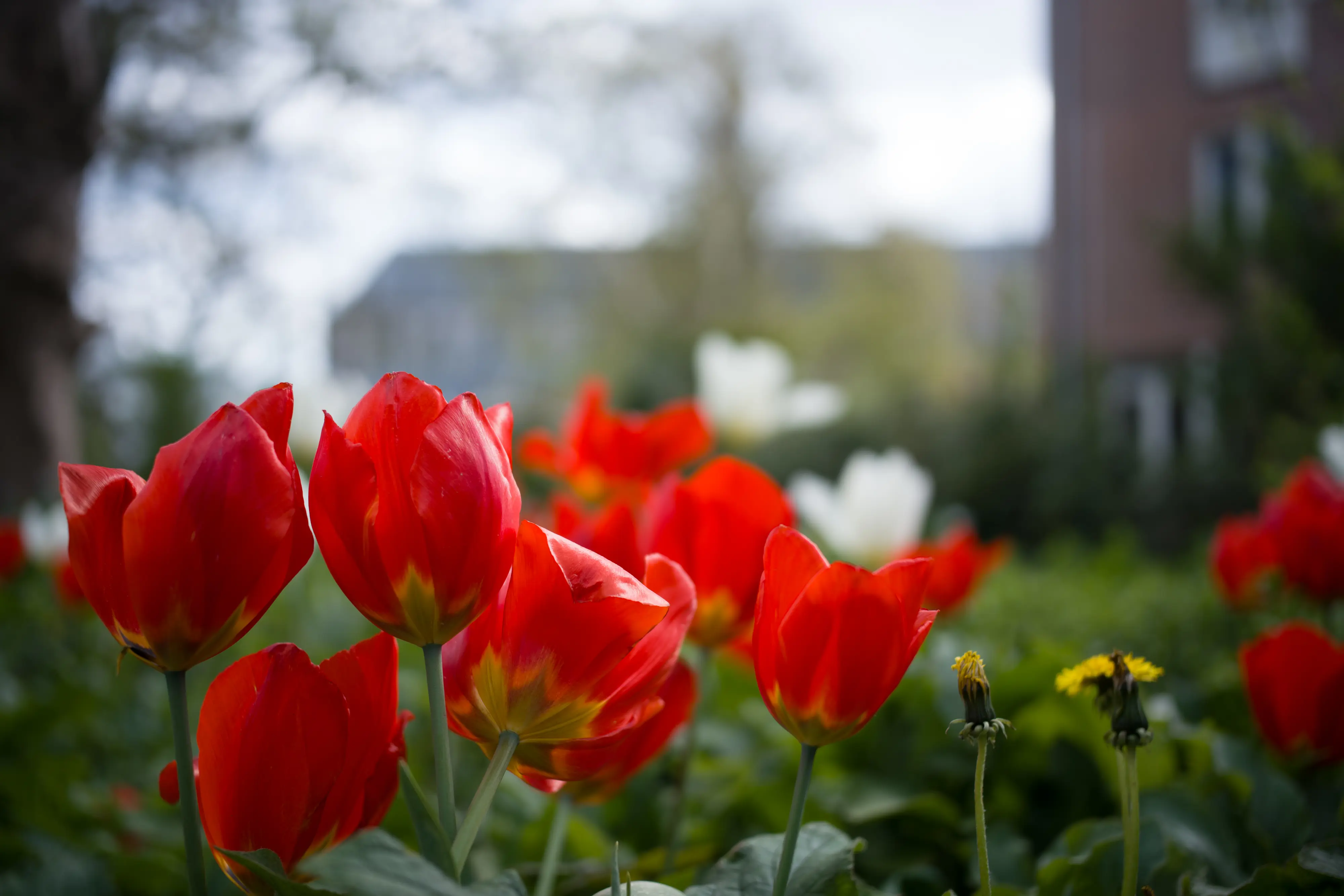
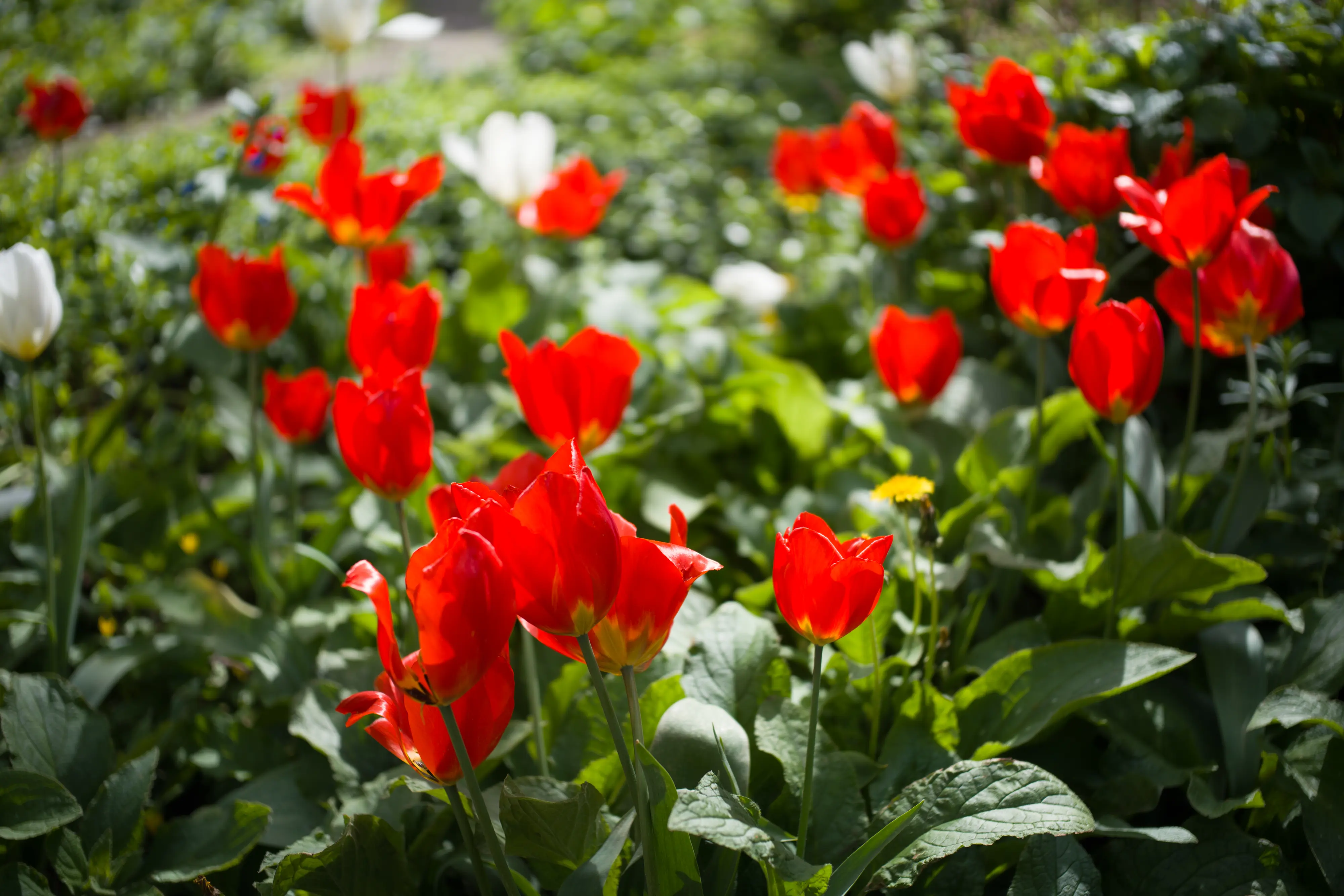
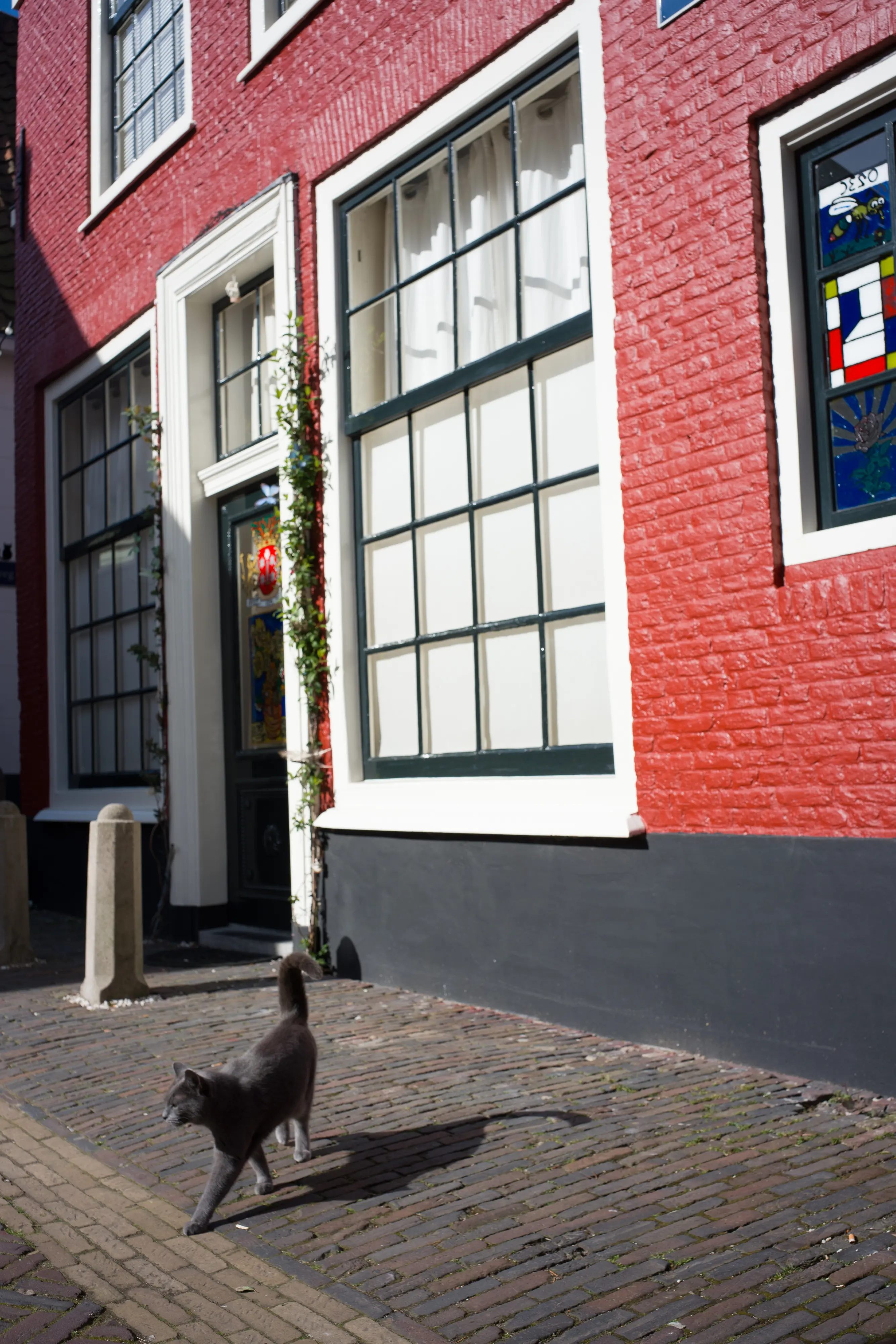
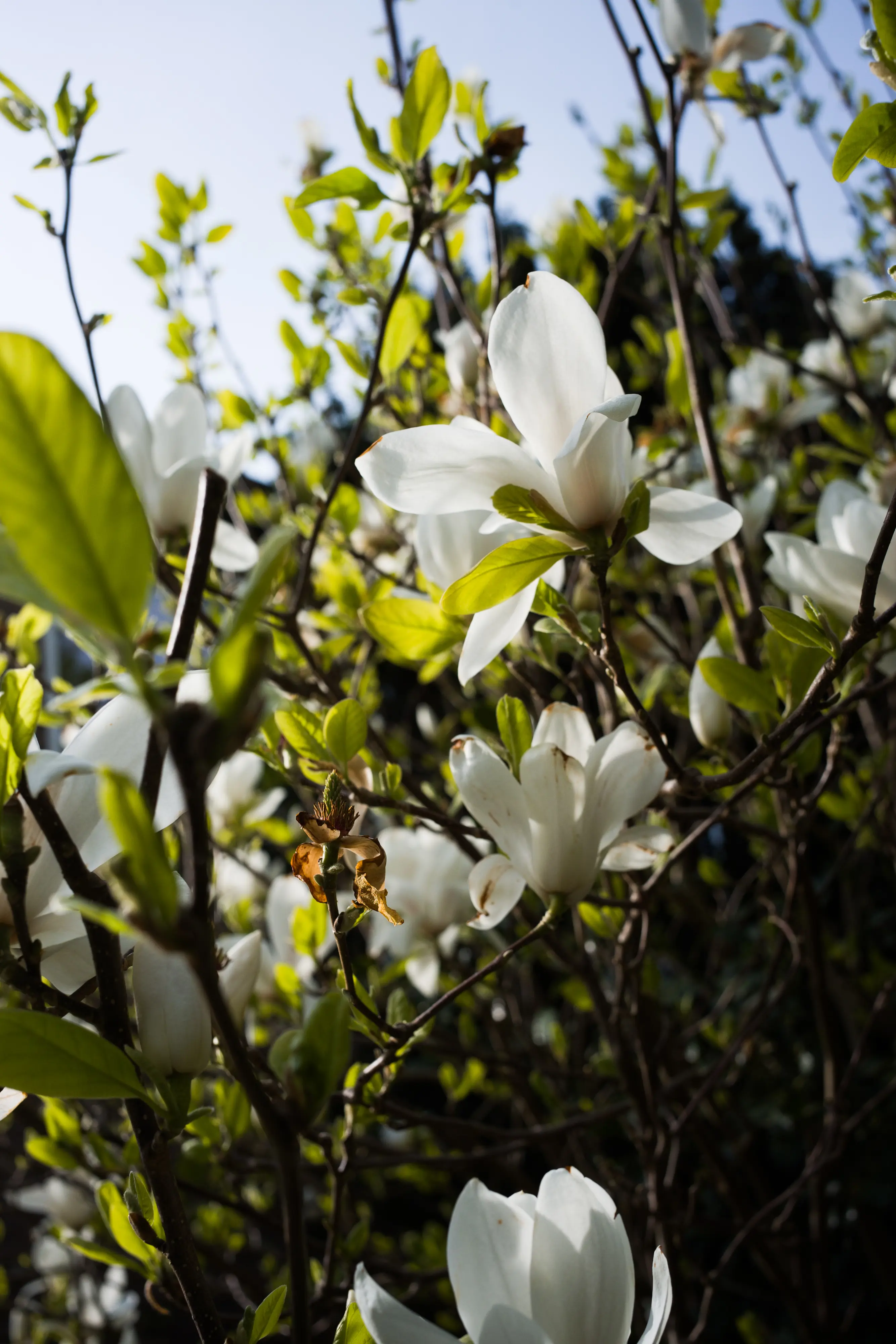
The unique selling point of the Thypoch Ksana 35mm f/2 is the "Epoch '84 Coating". This coating is based on the Olympus Zuiko lenses made around 1984. What I see is that this coating is more modern, but with a very small 'Zuiko' fingerprint added to it. There's something special about the way the Ksana images render. I am absolutely in love with how it renders blue skies compared to other lenses, there's a specific depth about them. This coating most likely suppresses stray light and certain wavelengths, which make blues look deeper, cleaner and more saturated. The same goes for reds, they do really pop. I wonder how they did it...
This also shows that there's a lot of microcontrast in those images, which gives a bit of a "Zeiss" look to them. I wouldn't be surprised if this coating formula is actually more similar to the Zeiss T* coating, which we all like and love.

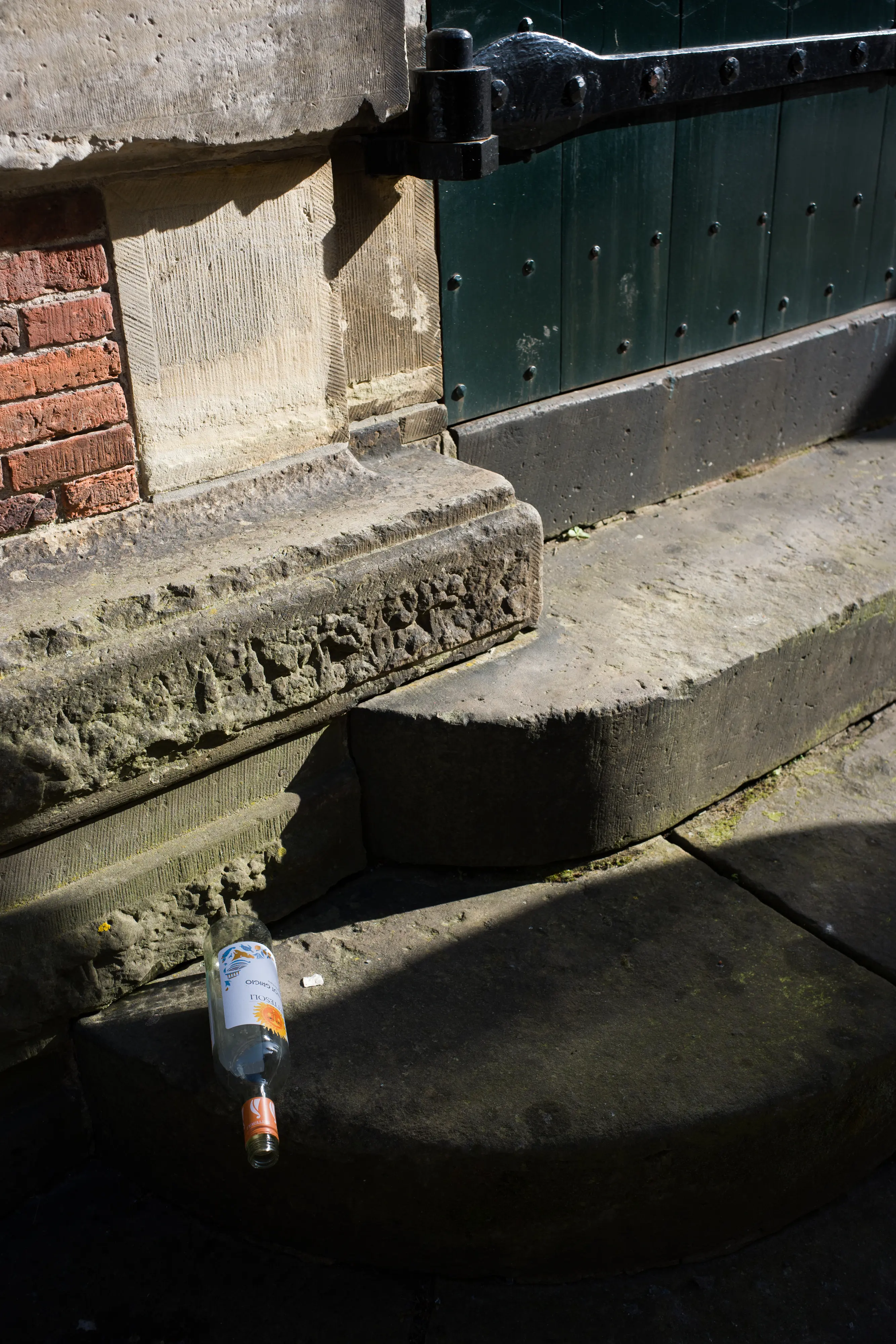
As you can see above, the Ksana has great wide open performance, in a high contrast situation.
Flare
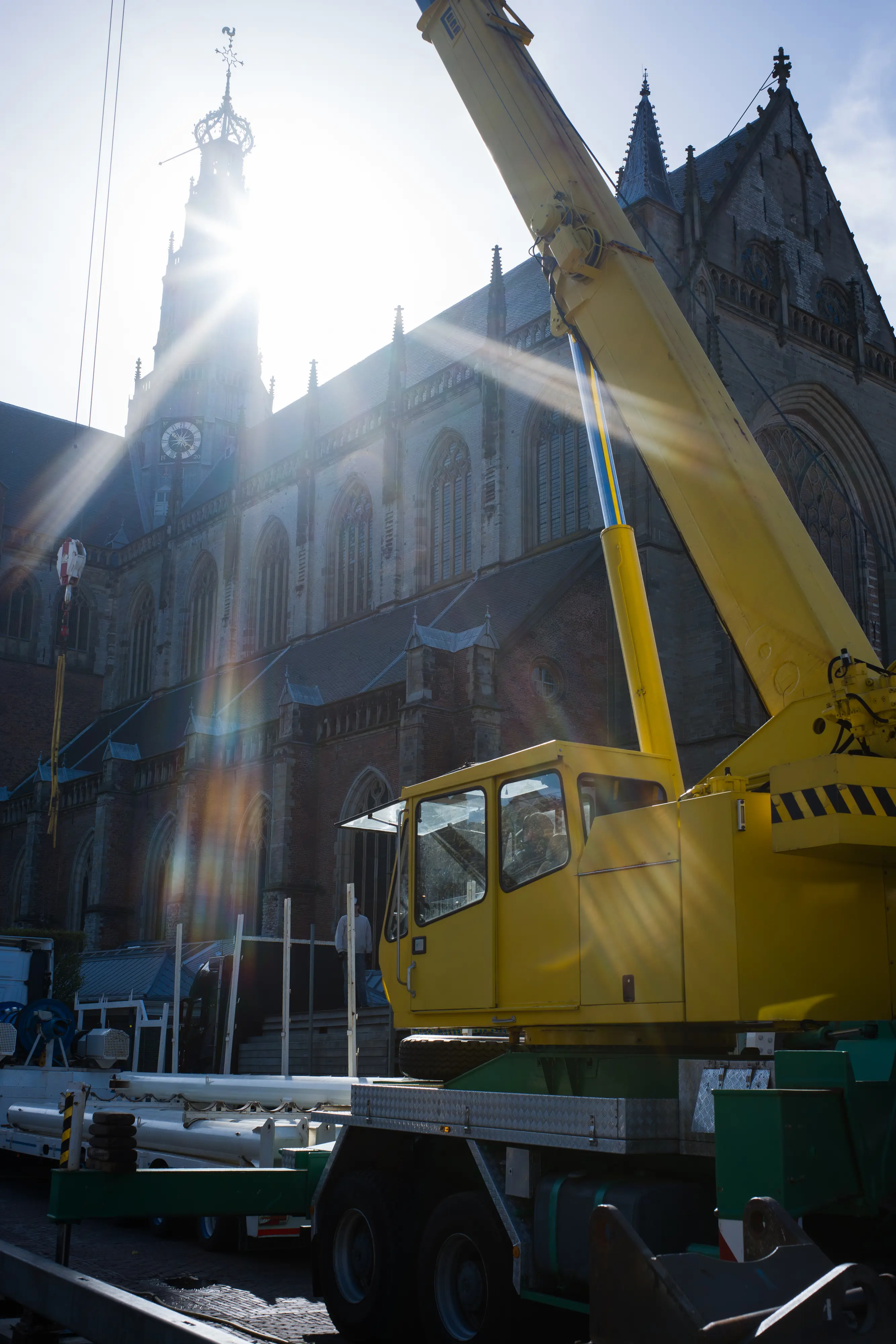
With the Epoch '84 coating, you will get amber / gold colored flares in your images. The contrast is still very nicely managed when shooting against the sun. I have not been able to trigger amber ghosting, except for one very specific case where I was shooting against the sun.
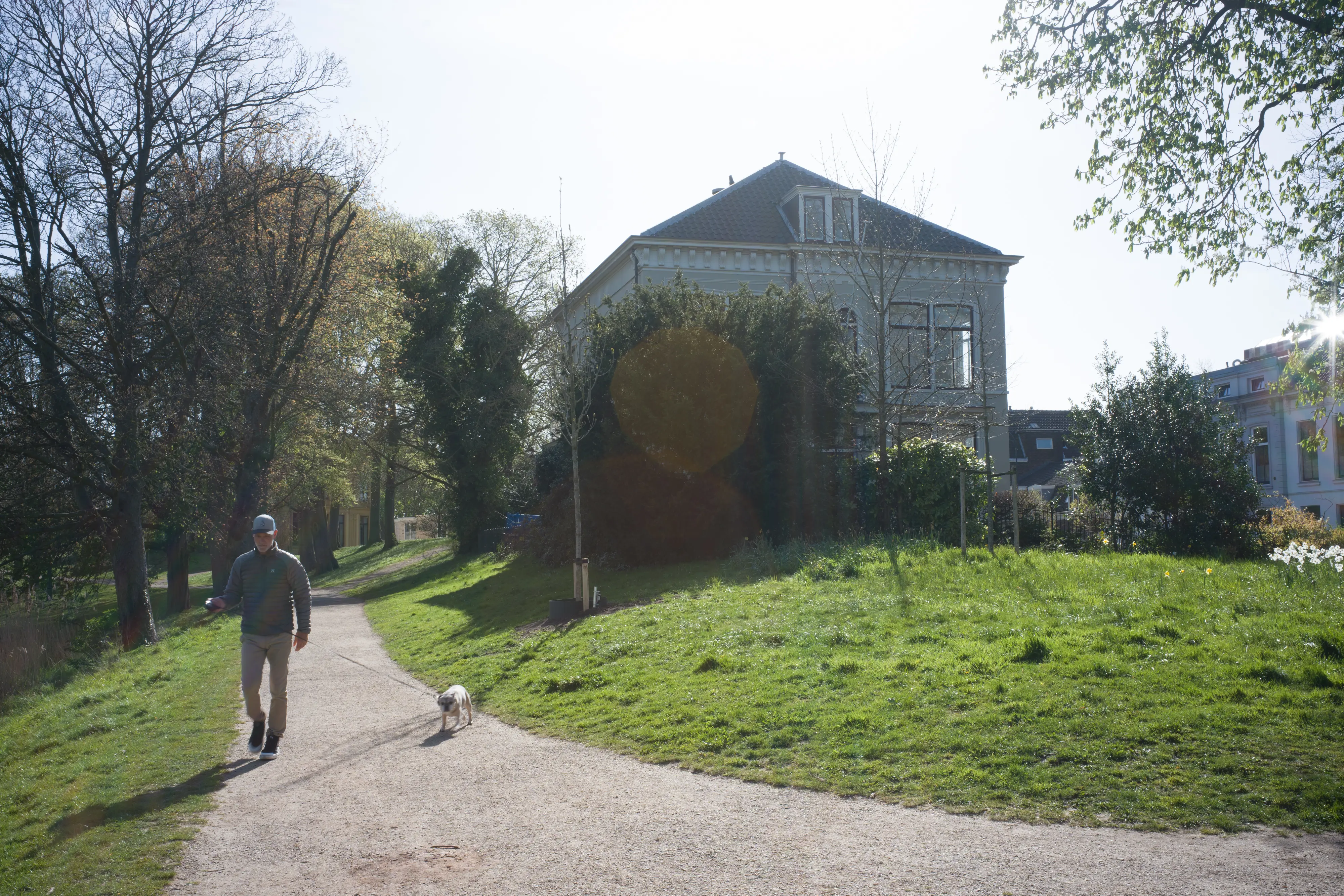
In most cases, you still get white/slight rainbow flaring. I've had a couple of occasions with sunstars but this happens only in specific situation.
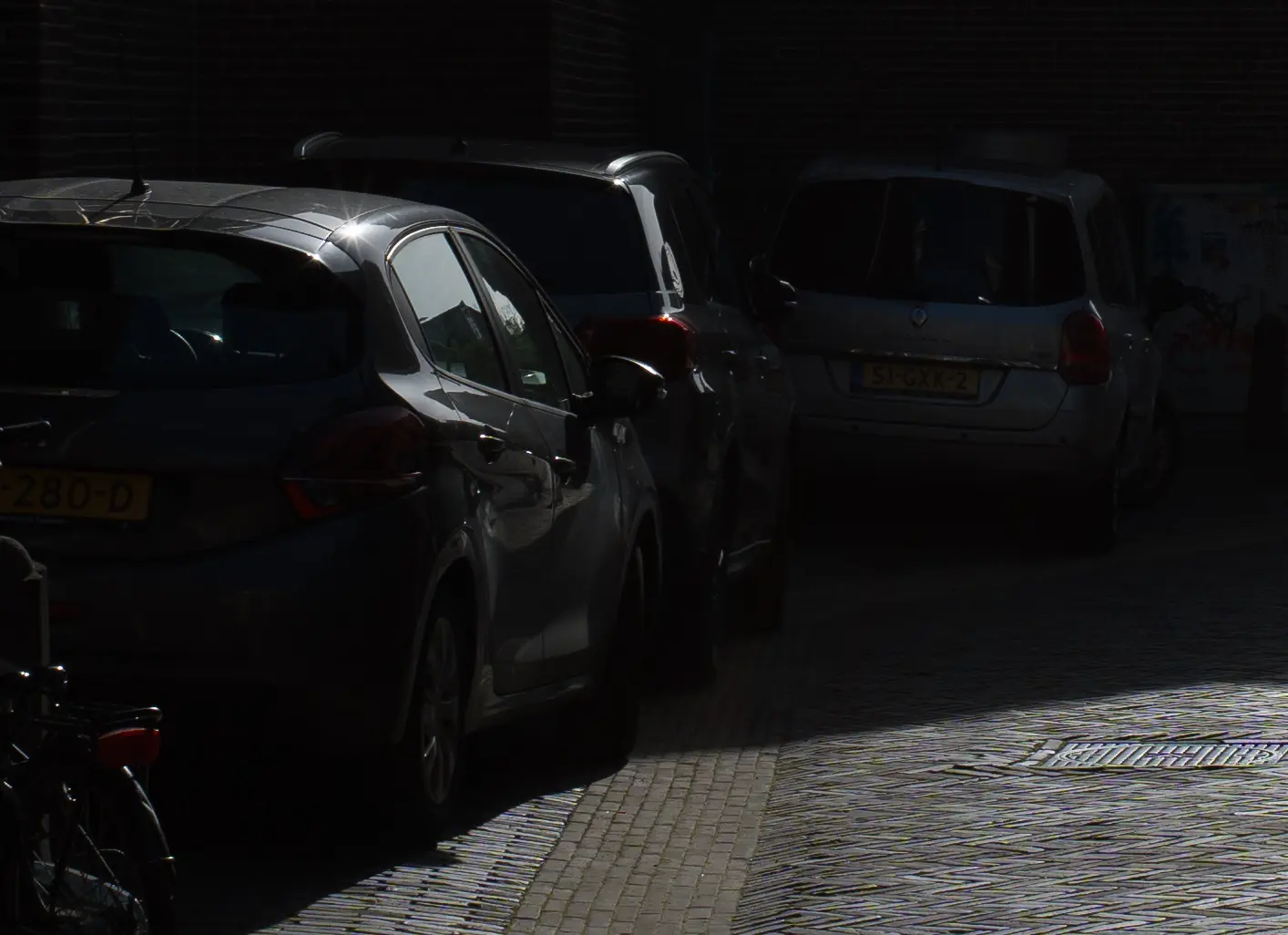
By going off the pictures on the internet, it does look like that the 21mm Ksana's Epoch '73 coating is stronger than this Epoch '84 coating which is considered to be a bit more neutral.
Take into consideration that the 35mm Ksana is way less wide than the 21mm Ksana, which naturally results in having the sun in the frame less often, which then results in less opportunities for the golden flare to happen, get it? ;-)
Accesories
This lens, when buying the base package, comes with a plastic back and a brass front cap. The lens hood is for sale separately, or you can buy the entire kit with the hood. I can recommend using the hood to prevent the flaring that could occur in very specific situations.

Compared to other lenses
At first, it's important to keep the price in mind. The Thypoch Ksana is far cheaper than all those options offered. At the price of USD 599 or EUR 529, this is one of the cheapest 35mm f/2 lenses available, let alone in brass, with modern coatings.
35mm f/2 Summicron ASPH
The Summicron has better mid-zone performance than the Ksana, but slightly worse corner performance at f/2, according to MTF graphs. It's also an older design, so if you want to look for something with more character, the Summicron 35mm f/2 V4 might be more interesting, or check out the new Mandler 35mm f/2. Just don't expect the same performance as the Ksana, but certainly more character!
Voigtländer Ultron 35mm f/2
Taking into account the lower price of the Ksana compared to the Ultron, which is USD 829, EUR 749. The Ksana has a far different optical design from Ultron, although both with aspherical elements. Those aspherical elements give the cat-eye bokeh, which for example the Nokton does not have.
The Ksana has two high refractive index elements unlike the Ultron, which helps with better light transmittance and most likely less vignetting. Weight wise they're nearly the same, with the Ultron being 210 grams vs the slightly lighter Ksana, at 199 grams. I think both lenses are great, if I could choose I'd go for the Ksana, unless you really appreciate the aperture ring clicks (which are amazing on Voigtländer lenses).
Voigtländer Nokton 35mm f/1.4 II MC
The Nokton actually is nearly as sharp as the Ksana 35mm f/2, it's just a bit more funky in its rendering. Especially the out of focus areas and the bokeh is harsher, despite the bokeh balls being more round. It has 0.7m minimum focus distance. There's more coma in the frame with the Nokton. The Nokton is sharper in the closer focus areas, until 3 meters, from there the Ksana wins due to the flat field curvature. The Nokton does hold a special place in my heart, though.
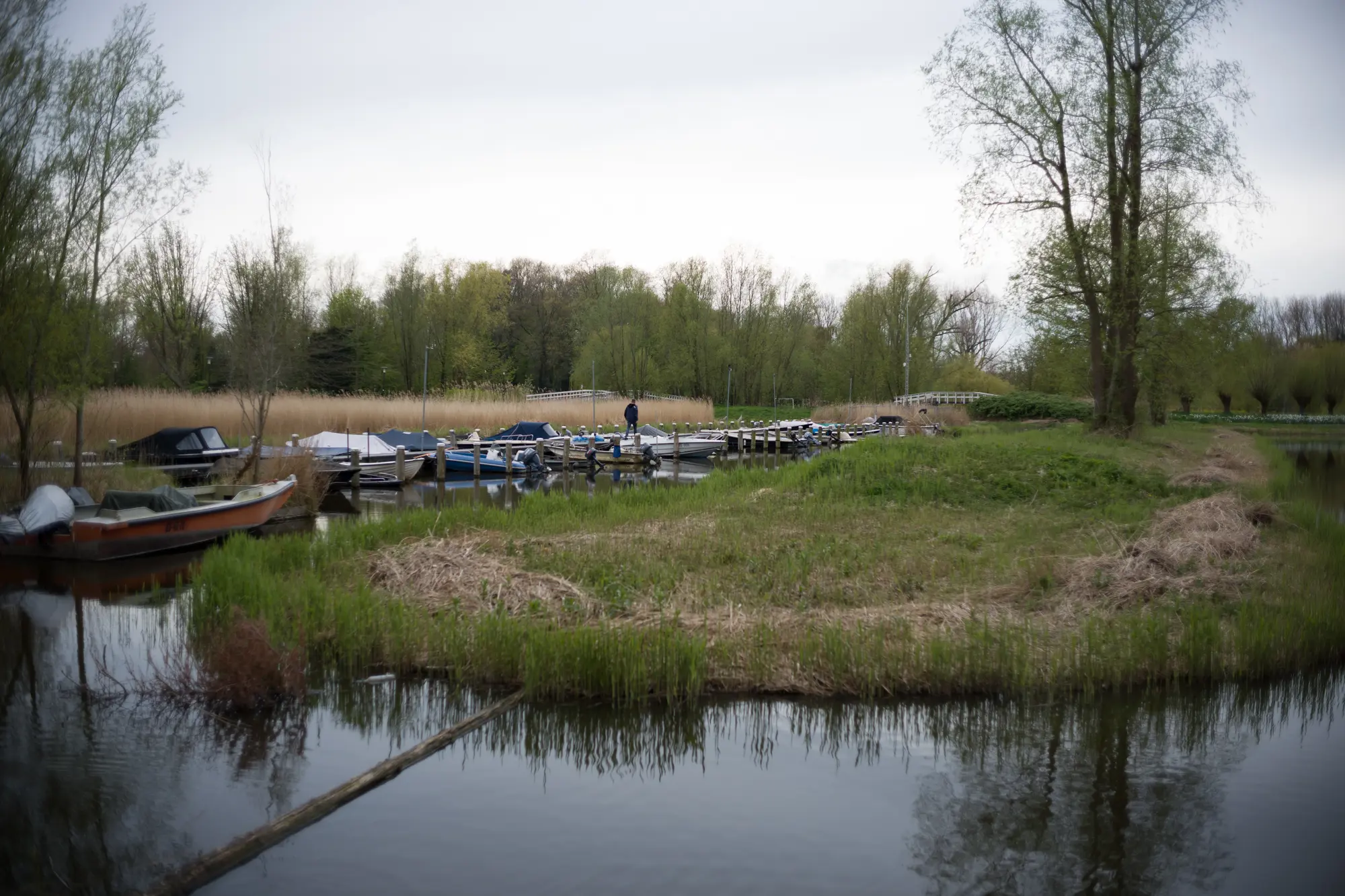


Voigtländer Nokton 35mm f/1.5 ASPH
Both lenses have 0.5m minimum focus distance. I think the Nokton is very well corrected, but the lens reviewer Jack Takahashi was disappointed with the sharpness of this lens at f/1.5, where slightly off-axis this lens just didn't resolve nicely. This could be because he had a bad copy, but consider this a f/2 lens with a f/1.5 bonus aperture. At that point you could also look at the Nokton 35mm f/1.4, especially if you usually shoot around f/5.6 or f/8 and not architecture, with the occasional low light shots.
Mandler 35mm f/2 "KOB"
The Mandler is a recently released lens, just like the Ksana. The Mandler has a curved field curvature which gives the lens its popular character. It's less corrected than the Ksana, but still gives very nice images. If you like a lens with more character, the Mandler 35mm f/2 might be more for you. Take into account, it's not a very sharp lens and has a rather busy out of focus area. I can't comment on the coating, for that I'd need to test this lens myself.
Conclusion
Do I recommend the Ksana? Absolutely. It's a great lens, well corrected but still has some character thanks to the golden coating. Actually, there are not many lenses that have a modern optical design with vintage-y coating, so I support this! I really like the fact that Thypoch wants to experiment a bit with their lens line-up, offering three lineups for the Leica M system so far, giving us choice.
The sharpness is close, if not better than a Summicron 35mm f/2 ASPH. It has a quite flat field curvature and low distortion. Colors really pop in a special way, especially blues and reds. The brass build is still relatively light, but balances very nicely on a M. The build quality is easily the same, if not better as the Voigtländer offerings. Both the black and the silver color looks good on whatever M body you have. If there's a thing I'd wish that was better, it's the clickiness of the aperture. I really like crisp aperture clicks and turning this aperture ring feels more like small bumps instead, but it does not get knocked out of position when handling this lens.
As mentioned in the YouTube video; I've given this lens the "Great Value" award!
Digital images

Film images
Those haven't been shot yet - will add to this blog later!
Comments